Tag: mood

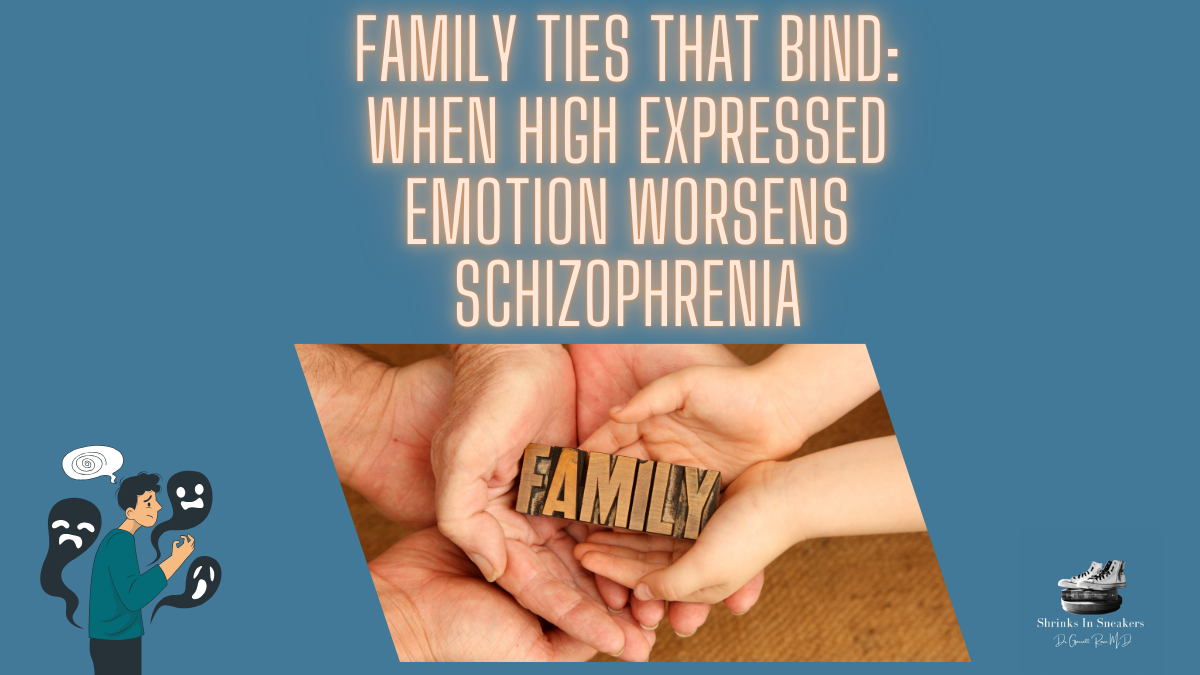
  • 🚨 Mania with Mixed Features: The Ultimate Mood Storm 🌪️

    🚨 Mania with Mixed Features: The Ultimate Mood Storm 🌪️

    Bipolar mania is intense—but when mixed features are present, it’s a whole different beast. Imagine sky-high energy ⚡ + crushing despair 😞 at the same time. That’s mixed mania—one of the most challenging and high-risk mood states in psychiatry.

    🔍 What Does It Look Like?

    ✅ Racing thoughts 🏎️ + Hopelessness 😔
    ✅ Insomnia for days 🌙 + Feeling exhausted 😴
    ✅ Irritability 🔥 + Tearfulness 😢
    ✅ Grandiosity 👑 + Suicidal thoughts 🚨
    ✅ Restless energy ⚡ + No pleasure in anything ❌

    🚑 Why It’s High Risk

    Patients with mania + mixed features have:
    ⚠️ Higher suicide risk than pure mania
    ⚠️ More agitation & impulsivity
    ⚠️ Less response to traditional mood stabilizers

    🛑 Treatment Challenges

    ❌ Antidepressants can worsen symptoms
    ✅ Mood stabilizers (lithium, valproate) & atypical antipsychotics (quetiapine, olanzapine, lurasidone) are key
    ✅ Careful monitoring is essential

    💡 Takeaway: Mixed mania isn’t just “agitated depression” or “irritable mania”—it’s a unique, dangerous mood state that requires urgent intervention. Recognizing it early can save lives.

    Have you encountered mixed mania in practice? Let’s discuss! 👇

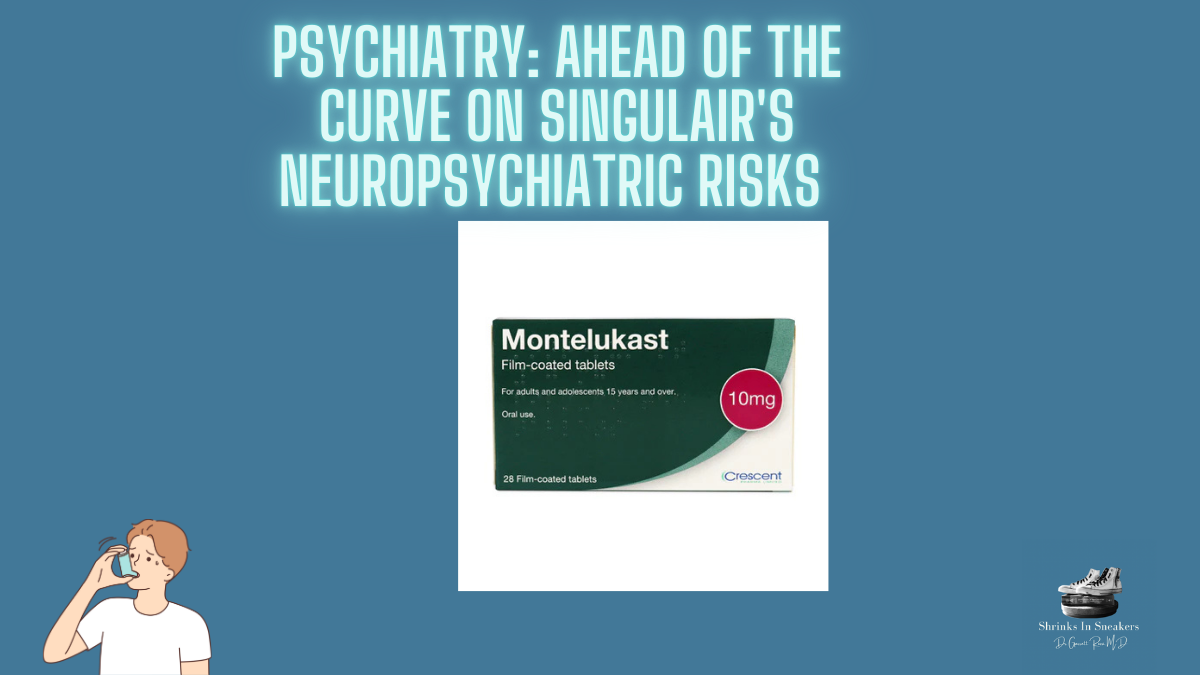
  • Psychiatry: Ahead of the Curve on Singulair’s Neuropsychiatric Risks

    Psychiatry: Ahead of the Curve on Singulair’s Neuropsychiatric Risks

    Psychiatry is often criticized for being “late to the table” when it comes to recognizing the broader impacts of medical treatments. However, in the case of Singulair (montelukast), psychiatry has been aware of its potential neuropsychiatric effects for quite some time.

    Singulair, widely used for asthma and allergic rhinitis, has long been associated with side effects such as mood changes, anxiety, depression, and even suicidality. This connection has been documented for years, yet the broader medical community and regulatory bodies have taken time to fully address these risks.

    Recently, the FDA issued a new warning aimed at heightening awareness of montelukast’s neuropsychiatric side effects. This update emphasizes the importance of assessing the risk-benefit ratio, particularly for patients with mild conditions where alternative treatments may suffice.

    Psychiatry’s Role

    Psychiatrists have long recognized and documented cases where montelukast seemed to exacerbate or trigger psychiatric symptoms. Many of us have seen patients whose mood instability or new-onset anxiety correlated with starting the medication, leading to its discontinuation and subsequent symptom improvement.

    Why This Matters

    This development underscores the value of psychiatry’s vigilance in identifying patterns that might initially go unnoticed in other fields. It’s also a reminder of the importance of collaboration between specialties to ensure patient safety.

    Key Takeaways:

    • Patients and families: Be aware of the potential neuropsychiatric side effects of montelukast. Monitor mood, sleep, and behavior changes closely, especially in children.
    • Clinicians: Always evaluate the necessity of montelukast in mild cases and consider alternatives when possible. Open conversations with patients about these risks can be life-saving.
    • Psychiatrists: Continue advocating for the recognition of neuropsychiatric risks in non-psychiatric medications. Our input is crucial in ensuring patient safety.

    Psychiatry wasn’t late to this table. In fact, we may have set it.

  • Family Ties That Bind: When High Expressed Emotion Worsens Schizophrenia

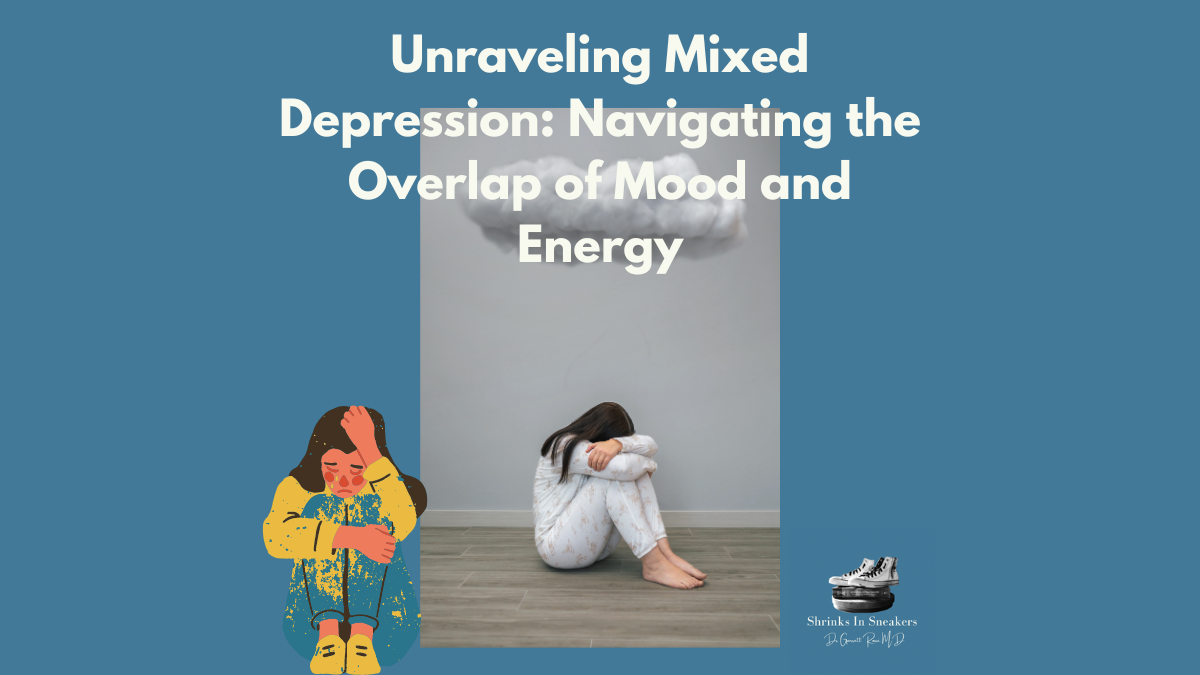
    Family Ties That Bind: When High Expressed Emotion Worsens Schizophrenia

    In psychiatry we are always asking patients about social support. The presence or absence of social support can have a major impact on treatment response and ability to remain well once someone leaves the hospital. This usually includes support from family members and friends. 

    In 1956 the Medical Research Council Social Psychiatry (MRCSP) London conducted a study regarding the readmission of schizophrenic patients. The research revealed that patients who were stabilized symptomatically and functionally inpatient and subsequently discharged to live with their parents or wives were frequently readmitted for relapse of symptoms compared to those who were discharged to a sibling, or non-family environment. While family involvement is generally a protective factor that helps prevent things like suicide, there are some situations where the over involvement of family can complicate matters and even create worse outcomes.

    This usually occurs when a family has high expressed emotion. 

    Expressed emotion (EE) has consistently been shown to predict relapse in schizophrenia as well as other psychiatric disorders. Expressed emotion is a measure of the family environment that is based on how the relatives of a psychiatric patient spontaneously talk about the patient. 

    It measures 3 aspects of the family environment associated with high expressed emotion:

    1. Hostility (outward anger and frustration towards the patient because the family believes they are choosing to not get better) 
    2. Emotional over-involvement (This is where the family tries to solve all the problems for the patient taking away their ability to be self-reliant). 
    3. Critical comments (where the family views the mentally ill patient as lazy or selfish, not appreciating the difficulty of living with mental illness). 

    However, research has shown the following as indications of an environment with low expressed emotion: 

    1.    Positivity: (statements that express appreciation or support for the patient’s behavior and gives verbal and nonverbal reinforcement). 

    2.    Warmth: (kindness, concern and empathy expressed by the caregiver).

    There is such a thing as too much involvement on the part of the families which can lead to complicating family dynamics and exacerbation of an individual’s symptoms of mental illness. Interventions for improving outcomes include reducing contact with high EE caregivers and providing psychoeducation about EE to care givers. Bringing awareness to this behavior may help family members change. 

  • ECT Maintenance: To Continue or Not To Continue

    ECT Maintenance: To Continue or Not To Continue

    The article on Clinical Outcomes of Continuation and Maintenance Electroconvulsive Therapy (ECT) highlights the role of ECT in preventing relapses in patients with major depressive disorder. Continuation (C-ECT) and maintenance (M-ECT) ECT, when used after an initial successful acute ECT response, are shown to be effective in reducing the recurrence of mood disorders, particularly when combined with pharmacotherapy. Despite its proven benefits, this therapeutic approach is underutilized. Studies also suggest that C-ECT and M-ECT are well-tolerated with no significant cognitive decline​

    Link to the study: https://jamanetwork.com/journals/jamapsychiatry/article-abstract/2823669

  • Heart and Mind: Answering the Call to Psychiatry

    Heart and Mind: Answering the Call to Psychiatry

    Psychiatry as a calling is a profound commitment to understanding and alleviating the complexities of the human mind. It’s more than a profession; it’s a deeply personal journey of compassion, empathy, and healing.

    At its core, psychiatry is about connecting with individuals at their most vulnerable, navigating the labyrinth of their thoughts, emotions, and behaviors to help them find light in the darkness. It’s about being a beacon of hope for those grappling with mental illness, guiding them towards resilience, recovery, and a renewed sense of purpose.

    Those who feel drawn to psychiatry often possess a unique blend of curiosity and empathy. They are captivated by the intricacies of the human psyche, driven by a genuine desire to understand the underlying causes of mental distress and suffering. They recognize that mental health is not just the absence of illness but the presence of wellness and strive to foster holistic healing in their patients.

    Psychiatrists approach their work with humility, recognizing that each individual’s journey is unique and deserving of respect and dignity. They embrace diversity in all its forms, understanding that cultural, social, and personal factors shape one’s experience of mental illness and recovery.

    Choosing psychiatry as a calling means embracing the challenges and uncertainties that come with the territory. It means bearing witness to the raw realities of human suffering while holding onto the unwavering belief in the power of resilience and transformation. It means standing alongside patients as they navigate the peaks and valleys of their mental health journey, offering support, guidance, and unwavering compassion.

    In a world where mental health stigma still persists, psychiatrists serve as advocates, educators, and champions for change. They work tirelessly to destigmatize mental illness, promote access to quality care, and foster a greater understanding of the interconnectedness of mental, emotional, and physical well-being.

    Ultimately, psychiatry as a calling is a testament to the human capacity for healing, growth, and connection. It’s a sacred bond between healer and patient, forged in empathy, nurtured by understanding, and strengthened by the shared journey towards wholeness and healing.
  • Unraveling Mixed Depression: Navigating the Overlap of Mood and Energy

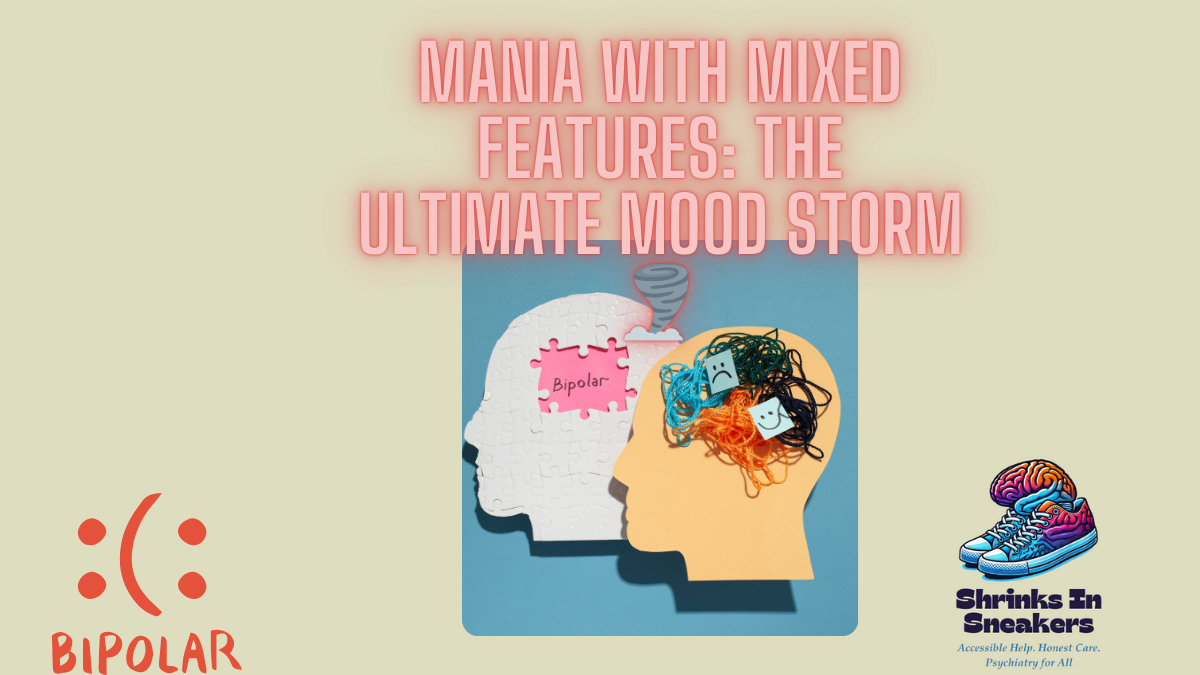
    Unraveling Mixed Depression: Navigating the Overlap of Mood and Energy

    In mixed depression the individual is often irritable, and elevated. They have depressed mood with at least 3 manic symptoms but do not meet the full criteria for bipolar disorder. Here I avoid the antidepressant medications and chose to focus on two medications with evidence for their efficacy. I like lurasidone and aripiprazole here, and sometimes I consider ziprasidone as well. 

  • Affective Dysregulation: Understanding and Managing Emotional Sensitivity

    Affective Dysregulation: Understanding and Managing Emotional Sensitivity

    When we think about patients who have trouble regulating strong emotions, it often begins with a genetic predisposition toward higher emotional sensitivity. These individuals experience emotions more intensely than the average person. Their feelings are easily triggered by seemingly minor stressors, and it takes them a long time to return to baseline after experiencing these emotions.

    These patients frequently encounter more stressors than the average person, creating a cycle where they experience strong emotions, face excessive stressors, and struggle to re-regulate. This combination makes life particularly challenging for these individuals, who typically lack the tools to cope with their intense emotions effectively.

    To exacerbate the situation, these patients often live in invalidating environments. They are surrounded by people who don’t understand how distressing it can be to live this way, leading to the development of maladaptive coping strategies. Family and friends may perceive them as “overly emotional or irrational,” dismissing the severity of their emotional states. As a result, behaviors such as self-injury, drug use, eating disorders, and suicidal tendencies can emerge.

    Support from family and friends is often only provided once these maladaptive behaviors have escalated, inadvertently reinforcing these behaviors as useful coping mechanisms. By understanding the underlying genetic and environmental factors contributing to affective dysregulation, we can better support these patients and help them develop healthier ways to manage their emotions.

  • Coping Strategies for Dealing with Intense Emotions

    Coping Strategies for Dealing with Intense Emotions

    In the fast-paced world of modern healthcare, it’s not uncommon to encounter individuals who don’t fit neatly into specific psychiatric diagnoses. Recently, I’ve noticed a significant number of patients who, despite not having bipolar disorder or depression, still experience considerable distress. Many of these individuals have endured severe trauma, including sexual abuse, and have a history of self-injurious behavior. I refer to these patients as affectively dysregulated, a term that, while not perfect, attempts to capture their unique experiences.

    Treating these individuals is particularly challenging because their core symptoms and experiences often can’t be effectively managed with pharmaceutical drugs. Instead, they require intense psychotherapy, which is typically difficult to find and expensive. This situation often leaves affectively dysregulated patients with few options, leading them to engage in self-harm and seek admission to inpatient hospitals. Unfortunately, this creates a vicious and dangerous cycle, as inpatient units are usually focused on acute stabilization rather than providing the long-term care these patients need.

    When evaluating these patients, I try to emphasize the limited efficacy of medications in treating affective dysregulation and instead focus on coping strategies, especially during periods of intense distress. Here are some strategies that can be helpful:

    1. Deep Breathing Exercises: Practicing deep, slow breathing can help calm the nervous system and reduce feelings of panic and anxiety.
    2. Grounding Techniques: Grounding involves using the five senses to reconnect with the present moment. This can include focusing on the feeling of your feet on the ground, listening to ambient sounds, or touching a familiar object.
    3. Mindfulness and Meditation: Mindfulness practices encourage staying present and accepting one’s emotions without judgment. Meditation can also help in cultivating a sense of inner peace and stability.
    4. Physical Activity: Engaging in physical exercise, whether it’s a walk, yoga, or a more intense workout, can help release built-up tension and improve mood.
    5. Creative Outlets: Activities like drawing, painting, writing, or playing music can provide an emotional release and a way to express feelings that might be difficult to articulate otherwise.
    6. Social Support: Talking to friends, family, or support groups can provide comfort and perspective. It’s essential to feel understood and not alone in your struggles.
    7. Professional Help: Seeking therapy from a qualified mental health professional can provide structured support and coping mechanisms tailored to individual needs.
    8. Healthy Distractions: Engaging in hobbies or activities that you enjoy can provide a temporary respite from overwhelming emotions.
    9. Self-Compassion: Practicing kindness towards oneself, especially during tough times, can reduce self-criticism and foster a sense of resilience.
    10. Safety Planning: Having a safety plan in place, which includes identifying triggers, safe people to contact, and safe places to go, can be crucial during times of crisis.

    It’s crucial to remember that coping strategies are highly individual, and what works for one person might not work for another. Encouraging patients to explore and find what resonates with them is key. By focusing on these strategies, we can provide affectively dysregulated patients with the tools they need to manage their distress and break the cycle of self-harm and hospital admissions.