Tag: Psychiatrist

  • New Strategies to Slow Cognitive Loss in Major Depression

    New Strategies to Slow Cognitive Loss in Major Depression

    📢 New Publication Alert in JAMA Psychiatry 🧠📄

    Today’s issue of JAMA Psychiatry highlights an important breakthrough study titled: “Slowing cognitive decline in major depressive disorder and mild cognitive impairment: A randomized controlled trial.”

    This publication reveals the primary findings from the PACt-MD study (Prevention of Alzheimer’s dementia with Cognitive remediation plus transcranial direct current stimulation in Mild cognitive impairment and Depression). This large-scale RCT examined whether combining cognitive remediation therapy (CRT) with transcranial direct current stimulation (tDCS) could effectively slow cognitive decline in individuals with both mild cognitive impairment (MCI) and major depressive disorder (MDD).

    Key Findings:

    • The combination of CRT and tDCS showed promising effects in decelerating cognitive decline in patients with MCI and MDD.
    • Improved cognitive outcomes were observed in specific areas such as memory, executive function, and attention compared to control groups.

    Why This Matters: Cognitive impairment is a critical concern in both MCI and MDD, often leading to functional decline and increased dementia risk. This study provides valuable insights into non-pharmacological approaches to mitigate cognitive deterioration in high-risk populations.

    🔍 Stay tuned for more on the methodology and detailed results. This could open doors to novel, accessible interventions for those at risk of Alzheimer’s and cognitive impairment.

    Artile lonk: https://pubmed.ncbi.nlm.nih.gov/32568198/

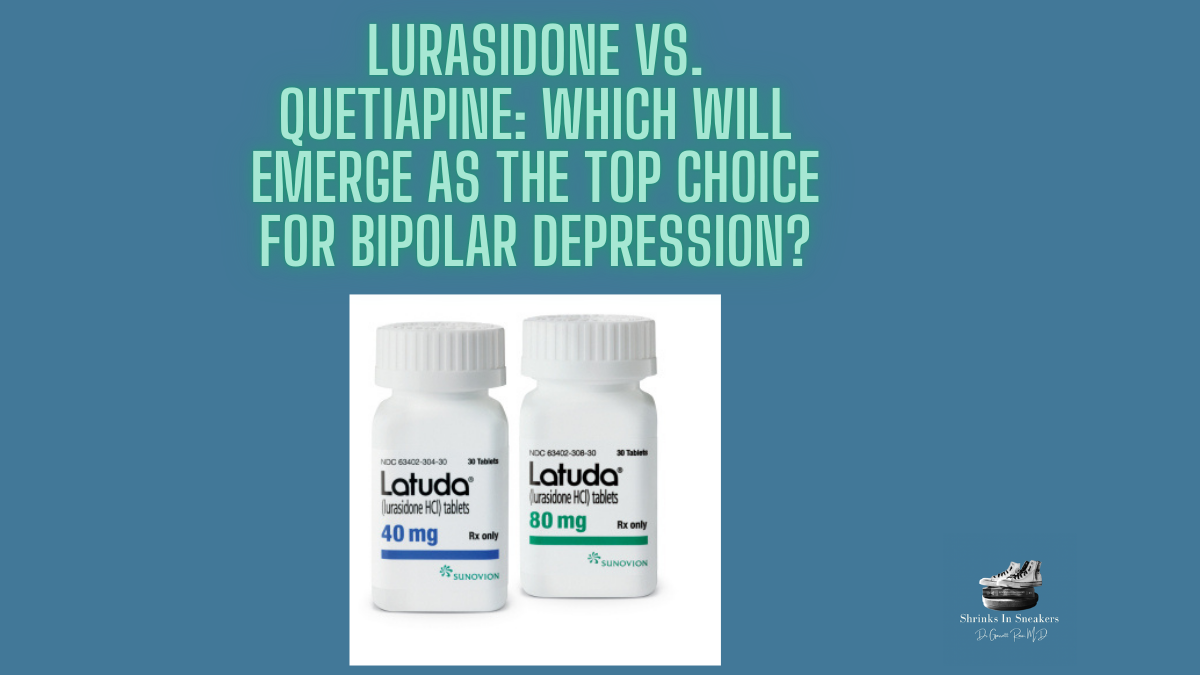
  • Lurasidone vs. Quetiapine: Which Will Emerge as the Top Choice for Bipolar Depression?

    Lurasidone vs. Quetiapine: Which Will Emerge as the Top Choice for Bipolar Depression?

    Bipolar depression is a challenging and common condition, with limited options for effective medication management. Finding the best treatment can be tough, especially given the lack of high-quality head-to-head comparisons in the literature. Two frequently prescribed medications for bipolar depression, quetiapine and lurasidone, are both solid options—but is one truly superior to the other?

    Head-to-head randomized controlled trials comparing lurasidone and quetiapine specifically for bipolar depression are relatively limited. However, both medications have established evidence in treating bipolar depression, with some distinctions in efficacy, safety, and tolerability that can be informative for comparison.

    1. Efficacy: Studies suggest that both lurasidone and quetiapine are effective in treating depressive symptoms in bipolar disorder. Quetiapine, particularly at doses of 300 mg or 600 mg, has shown significant efficacy in reducing depressive symptoms, whereas lurasidone also demonstrates effectiveness at doses typically ranging from 20 mg to 120 mg. Head-to-head trials generally find comparable efficacy between the two, though quetiapine may be preferred in certain cases for its sedative effects, which can help with associated insomnia in bipolar depression.
    2. Tolerability and Side Effects: Lurasidone tends to have a more favorable side effect profile, with a lower risk of weight gain, metabolic issues, and sedation compared to quetiapine. Quetiapine is often associated with more sedation and metabolic side effects, such as weight gain and increased cholesterol and triglycerides, which may be more pronounced at higher doses. Lurasidone’s side effect profile may make it a better option for patients where weight gain or sedation is a concern.
    3. Functioning and Quality of Life: Some studies highlight that patients on lurasidone report better functioning and fewer sedative effects, which may positively impact quality of life, particularly for those sensitive to the sedative properties of quetiapine.
    4. Dropout Rates: Due to quetiapine’s sedative side effects, some patients discontinue it more often than lurasidone. Lurasidone’s lower risk for sedation and weight gain tends to improve adherence for those struggling with quetiapine’s tolerability.

    Both medications are effective for bipolar depression, but lurasidone may be better tolerated overall, especially concerning weight gain and sedation. We should not forget that lurasidone carriers an equally concerning side effect of akathisia which can also increase dropout rates especially at higher doses. Additional direct head-to-head trials would be valuable to further elucidate these findings.

  • Breaking the Trauma Cycle: Can We Prevent PTSD Before It Begins?

    Breaking the Trauma Cycle: Can We Prevent PTSD Before It Begins?

    The use of hydrocortisone and propranolol in the prevention of post-traumatic stress disorder (PTSD) has been explored in several randomized controlled trials (RCTs). We always want to know does it work or is it just another interesting idea with little evidence to support its use

    Hydrocortisone:

    Hydrocortisone, a corticosteroid, has been investigated for its potential to modulate the stress response and prevent the consolidation of traumatic memories, which is thought to contribute to the development of PTSD.

    1. Mechanism: Hydrocortisone works by increasing cortisol levels, which can suppress the stress-induced overactivation of the hypothalamic-pituitary-adrenal (HPA) axis. Cortisol may reduce memory consolidation of trauma, thus decreasing PTSD risk.
    2. RCT Evidence:
      • Schelling et al. (2004) conducted a study on patients in the ICU, where hydrocortisone was used to treat septic shock. They found that patients who received hydrocortisone had a significantly lower risk of developing PTSD symptoms at follow-up compared to the placebo group. This suggested that hydrocortisone might have a protective effect in stress-related conditions.
      • Survivors of trauma: In a study by Zohar et al. (2011), trauma patients who received hydrocortisone in the immediate aftermath of the traumatic event had lower rates of PTSD symptoms compared to those who received placebo. The results suggested that hydrocortisone may reduce PTSD incidence when administered shortly after trauma exposure.
      • Critically ill patients: Schelling et al. (2001) showed that administering hydrocortisone to critically ill patients in the ICU reduced PTSD symptoms at follow-up, supporting the idea that early cortisol intervention can modulate the long-term psychological impact of traumatic experiences.
    3. Summary: Hydrocortisone has shown promise in reducing PTSD symptoms when administered during or soon after traumatic experiences, particularly in ICU patients or survivors of trauma. Its role appears to be in modulating the stress response and memory consolidation processes.

    Propranolol:

    Propranolol, a beta-blocker, is primarily used to treat cardiovascular conditions but has been studied for its effects on memory reconsolidation and emotional arousal, both of which are implicated in the development of PTSD.

    1. Mechanism: Propranolol reduces adrenergic activity by blocking beta-adrenergic receptors, potentially interfering with the emotional enhancement of traumatic memories, thus reducing their consolidation.
    2. RCT Evidence:
      • Pitman et al. (2002) conducted a double-blind, placebo-controlled trial in which trauma victims (e.g., car accident survivors) were given propranolol or placebo within a few hours of the event. At follow-up, patients who received propranolol had reduced PTSD symptoms compared to those given placebo, though the results were not statistically significant.
      • Brunet et al. (2008) performed a study on individuals with PTSD, where propranolol was administered before memory reactivation (i.e., recalling the traumatic event). The group that received propranolol showed reduced physiological responses to trauma reminders and decreased emotional impact, suggesting that propranolol may weaken the reconsolidation of traumatic memories.
      • Stein et al. (2007) did not find a significant reduction in PTSD incidence when propranolol was administered following trauma. This led to mixed conclusions regarding its preventive efficacy.
    3. Summary: The evidence for propranolol is more mixed. While some studies suggest it may reduce PTSD symptoms by weakening emotional memory consolidation, other trials have not demonstrated a significant reduction in PTSD development.

    Conclusion:

    • Hydrocortisone has more consistent evidence supporting its role in preventing PTSD, particularly when administered soon after trauma.
    • Propranolol shows mixed results, with some evidence suggesting it may reduce emotional memory consolidation and PTSD symptoms, though its effectiveness in preventing PTSD development is less conclusive.

    Both treatments hold potential, but more research is needed to establish their routine use in PTSD prevention.

  • Unlocking Relief: Can Prazosin Power Up Depression Treatment?

    Unlocking Relief: Can Prazosin Power Up Depression Treatment?

    The evidence for the use of prazosin in major depressive disorder (MDD) comes mainly from smaller studies or trials focusing on its off-label use, as prazosin is primarily an alpha-1 adrenergic antagonist used to treat hypertension and PTSD-related nightmares.

    Clinical Rationale

    The theoretical rationale for prazosin in MDD is based on its ability to block alpha-1 adrenergic receptors, which may help reduce the hyperactivity of the norepinephrine system—a pathway implicated in stress and depression.

    Randomized Controlled Trials (RCTs)

    RCT evidence for prazosin in treating MDD is limited compared to other antidepressants, but a few studies have explored its potential benefits:

    1. Prazosin as Adjunctive Treatment for MDD (2009):
      A small pilot RCT assessed prazosin as an add-on therapy for MDD in patients who were already on standard antidepressants. The results showed modest improvements in depressive symptoms when prazosin was combined with SSRIs or SNRIs, particularly in patients with high anxiety or sleep disturbances.
    2. Prazosin for PTSD and MDD Comorbidity:
      Some RCTs conducted in patients with PTSD (a condition often comorbid with MDD) showed improvements in both PTSD and depressive symptoms. For example, a trial published in 2015 demonstrated that prazosin led to a significant reduction in depressive symptoms in veterans with PTSD and depression. While the trial primarily focused on PTSD, the secondary outcomes regarding depression were positive.
    3. Prazosin and Treatment-Resistant Depression (TRD):
      Some trials have explored prazosin’s efficacy in treatment-resistant forms of depression, hypothesizing that its ability to reduce stress-related symptoms could augment antidepressant efficacy. However, these trials have generally been small, and results have been inconsistent or not statistically significant in terms of primary depressive outcomes.

    Limitations

    • Sample Sizes: Most studies are small and underpowered.
    • Population: Most studies have focused on patients with PTSD, rather than pure MDD.
    • Adjunctive Use: Prazosin has mostly been tested as an adjunctive treatment, not as monotherapy for depression.

    While prazosin has shown some promise in improving depressive symptoms, particularly related to sleep disturbances and anxiety, larger RCTs specifically targeting MDD are needed to establish its efficacy.

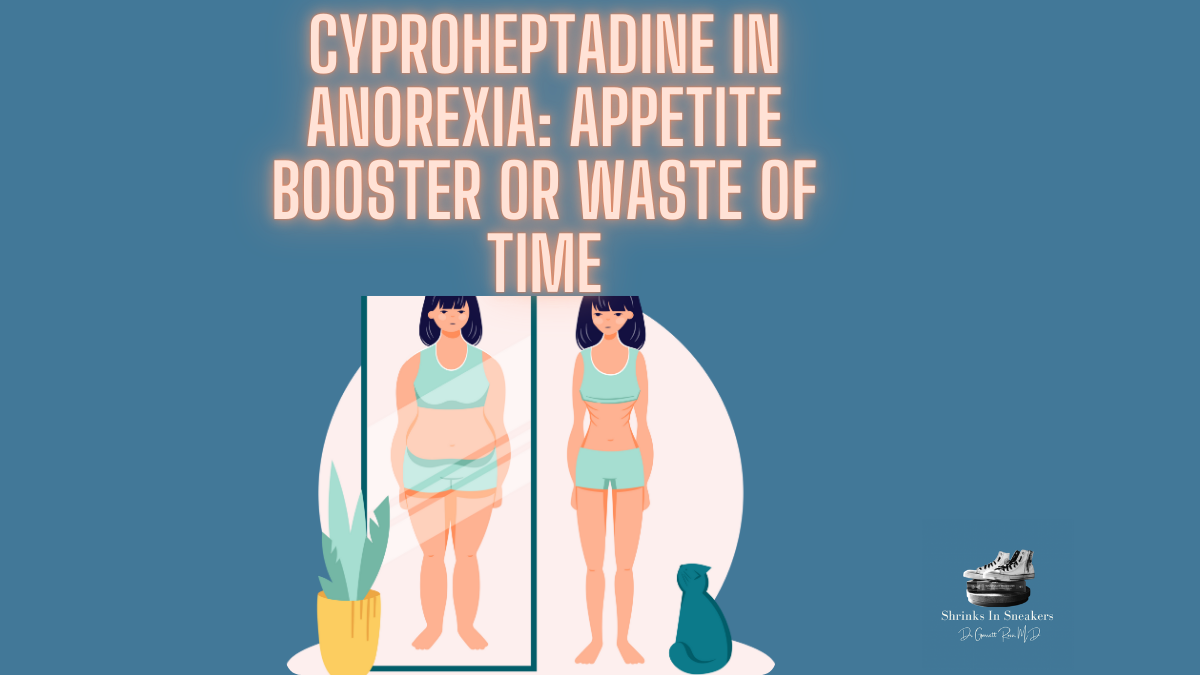
  • Cyproheptadine in Anorexia: Appetite Booster or Waste of Time

    Cyproheptadine in Anorexia: Appetite Booster or Waste of Time

    Over the past few posts, I’ve been using real cases from my practice to highlight essential teaching points in managing complex conditions. Anorexia nervosa, one of the most severe and high-mortality disorders I encounter, demands a multifaceted approach, especially in critical cases. Recently, I had to explore every possible option to support a particularly challenging case, including cyproheptadine—a medication with potential benefits in anorexia. I decided to dive deeper into the evidence supporting its use. At the end of this post, I’ll share my own experience with cyproheptadine in this case and whether it made a difference in the outcome

    Cyproheptadine has been studied in the treatment of anorexia, particularly anorexia nervosa, due to its appetite-stimulating and antihistaminic properties. Some early randomized controlled trials (RCTs) suggested it might have benefits, especially for anorexia nervosa with certain subtypes, but the evidence has been mixed, and it’s not widely recommended in current guidelines.

    1. Weight Gain: Cyproheptadine has been shown in some RCTs to help promote weight gain in individuals with anorexia nervosa, particularly in those with a restricting type of the disorder. However, results have not been consistent across studies, with some trials finding minimal or no effect on weight gain.
    2. Symptom Relief: Cyproheptadine may help reduce anxiety and obsessive thoughts related to food, as its antihistaminic and mild sedative effects can have a calming influence. However, this has not been strongly confirmed across all trials.
    3. Limitations and Side Effects: The mixed evidence may relate to differences in study designs, anorexia subtypes studied, and dosages used. Side effects, such as sedation, have also limited its use, especially in outpatient settings where these effects might interfere with daily functioning.

    Overall, while some RCTs have shown cyproheptadine might help with weight gain and symptom relief in anorexia, particularly in non-binging types, the evidence remains inconclusive. In my personal practice with the medication, I saw limited if any benefit by adding this medication to current standard of treatment. We are often looking for solutions to complex difficult to treat conditions such as anorexia, but the benefits here seem to be limitted both from the research and clinical perspective. 

  • Can Amantadine Tame Tardive Dyskinesia? Exploring the Evidence and Potential Benefits

    Can Amantadine Tame Tardive Dyskinesia? Exploring the Evidence and Potential Benefits

    In my practice, I see many patients who have been on high doses of antipsychotics for extended periods, particularly first-generation antipsychotics, which carry a higher risk of developing tardive dyskinesia (TD). While two FDA-approved treatments for TD exist, their high cost and limited availability can make access challenging in community mental health settings. This has led me to explore alternative treatments like amantadine. Like many of you, I wanted to understand the evidence supporting its use, so let’s take a closer look at what the research says about amantadine as a treatment option for TD.

    The evidence for the use of amantadine in treating tardive dyskinesia (TD) has been explored in several small randomized controlled trials (RCTs), though it remains limited compared to other treatments.

    1. Efficacy of Amantadine: Some studies suggest that amantadine, an NMDA receptor antagonist, may offer mild to moderate improvement in TD symptoms by modulating dopaminergic pathways. For instance, an early RCT (2007) tested amantadine in schizophrenia patients with TD and reported some improvements in abnormal involuntary movements compared to placebo. However, the sample size was small, and results were modest.
    2. Comparative Effectiveness: Few trials directly compare amantadine to other TD treatments like VMAT-2 inhibitors (e.g., valbenazine, deutetrabenazine), which are the preferred treatment options due to stronger RCT evidence. Amantadine’s effects may be less pronounced, though some patients have reported partial symptom relief, especially when TD is not severe.
    3. Safety Profile: In RCTs, amantadine is generally well-tolerated in TD patients, with few serious side effects. However, common side effects include dizziness, insomnia, and gastrointestinal issues, which may limit its use in certain patients, particularly those with cognitive or movement comorbidities.

    Overall, while RCTs support some benefit of amantadine in TD, the effect size is generally moderate. VMAT-2 inhibitors are preferred based on stronger, more consistent RCT data, although amantadine may still be considered for patients who cannot tolerate or do not respond to these primary therapies.

  • The Silent Crisis: Physician Suicide in the United States

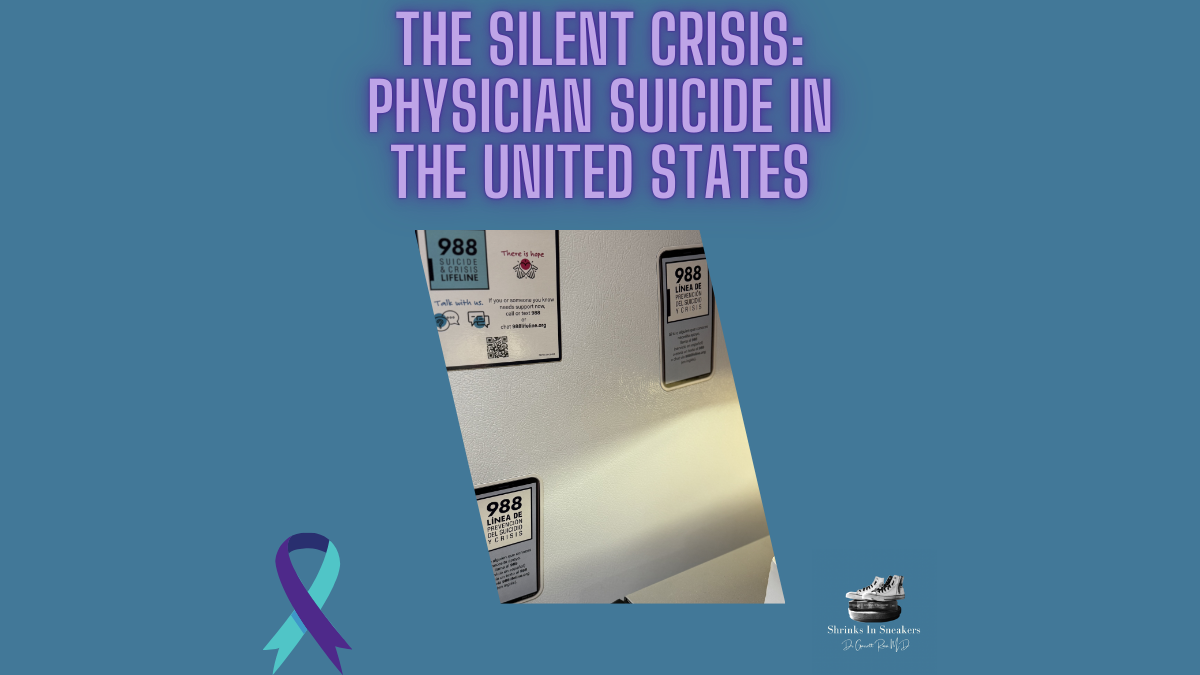
    The Silent Crisis: Physician Suicide in the United States

    I saw these magnets today on the refrigerator located in the physicians lounge and it seemed like a good reminder 

    In the U.S., an estimated 300-400 physicians die by suicide each year, a staggering rate far higher than that of the general population. This crisis, largely unspoken in healthcare settings, underscores the immense pressures physicians face daily. The high expectations, long hours, emotional exhaustion, and the stigma around seeking mental health support create a dangerous environment where burnout can quickly spiral into severe mental health struggles.

    Physicians are trained to endure, often putting others’ health before their own. But the costs of “pushing through” take a toll. Many feel they cannot safely reach out for help without risking their careers due to institutional stigma around mental health treatment. This cycle of isolation and suppressed emotion can lead to tragic outcomes.

    Organizations are beginning to address this issue by implementing wellness programs, peer support systems, and confidential mental health resources, but more systemic changes are needed. Reducing the stigma around mental health support, reforming punitive policies, and fostering a culture of openness in medicine could be life-saving.

    Physician suicide affects us all—it robs the healthcare system of dedicated professionals and leaves profound impacts on patients, families, and communities. It’s time to break the silence and actively support those who care for us.

  • Family Ties That Bind: When High Expressed Emotion Worsens Schizophrenia

    Family Ties That Bind: When High Expressed Emotion Worsens Schizophrenia

    In psychiatry we are always asking patients about social support. The presence or absence of social support can have a major impact on treatment response and ability to remain well once someone leaves the hospital. This usually includes support from family members and friends. 

    In 1956 the Medical Research Council Social Psychiatry (MRCSP) London conducted a study regarding the readmission of schizophrenic patients. The research revealed that patients who were stabilized symptomatically and functionally inpatient and subsequently discharged to live with their parents or wives were frequently readmitted for relapse of symptoms compared to those who were discharged to a sibling, or non-family environment. While family involvement is generally a protective factor that helps prevent things like suicide, there are some situations where the over involvement of family can complicate matters and even create worse outcomes.

    This usually occurs when a family has high expressed emotion. 

    Expressed emotion (EE) has consistently been shown to predict relapse in schizophrenia as well as other psychiatric disorders. Expressed emotion is a measure of the family environment that is based on how the relatives of a psychiatric patient spontaneously talk about the patient. 

    It measures 3 aspects of the family environment associated with high expressed emotion:

    1. Hostility (outward anger and frustration towards the patient because the family believes they are choosing to not get better) 
    2. Emotional over-involvement (This is where the family tries to solve all the problems for the patient taking away their ability to be self-reliant). 
    3. Critical comments (where the family views the mentally ill patient as lazy or selfish, not appreciating the difficulty of living with mental illness). 

    However, research has shown the following as indications of an environment with low expressed emotion: 

    1.    Positivity: (statements that express appreciation or support for the patient’s behavior and gives verbal and nonverbal reinforcement). 

    2.    Warmth: (kindness, concern and empathy expressed by the caregiver).

    There is such a thing as too much involvement on the part of the families which can lead to complicating family dynamics and exacerbation of an individual’s symptoms of mental illness. Interventions for improving outcomes include reducing contact with high EE caregivers and providing psychoeducation about EE to care givers. Bringing awareness to this behavior may help family members change. 

  • Breaking the Cycle: Effective Strategies to Prevent Self-Injurious Behavior (SIB)

    Breaking the Cycle: Effective Strategies to Prevent Self-Injurious Behavior (SIB)

    This post comes from another real-world case that I frequently encounter in clinical practice. Self-injurious behavior (SIB) is common in the inpatient care setting and the strategies to prevent it are mostly behavioral. Many patients and families are also looking for pharmacological options. Here are some of the more common options and recommendations for treating SIB.

    Behavioral Interventions

    1. Functional Behavior Analysis (FBA): Start with an FBA to understand why the self-injury is occurring (e.g., to gain attention, avoid demands, or self-soothe). This guides intervention planning.
    2. Positive Reinforcement and Skill Building: Reinforce alternative, adaptive behaviors that fulfill the same needs as self-injury, such as communication skills (e.g., teaching to request attention) or self-soothing techniques.
    3. Cognitive Behavioral Therapy (CBT): For individuals able to engage in talk therapy, CBT can address underlying thoughts and emotions driving SIB, such as distress intolerance, perfectionism, or negative self-beliefs.
    4. Dialectical Behavior Therapy (DBT): DBT is particularly effective for reducing SIB, especially in borderline personality disorder. It combines emotional regulation, mindfulness, and distress tolerance skills.
    5. Environmental Modifications: Minimizing triggers in the individual’s environment can help reduce occurrences. This might include changes in routines, avoiding overstimulation, or modifying demands.
    6. Applied Behavior Analysis (ABA): Techniques from ABA, like differential reinforcement of other behaviors (DRO) or non-contingent reinforcement (NCR), can reduce self-injury by decreasing its functional value.

    Pharmacological Interventions

    1. SSRIs (Selective Serotonin Reuptake Inhibitors): Useful if self-injury is driven by anxiety, depression, or obsessive-compulsive tendencies. SSRIs can help stabilize mood and reduce anxiety, lessening the need for SIB.
    2. Antipsychotics: Atypical antipsychotics, such as risperidone or aripiprazole, are sometimes effective, particularly in autism spectrum disorders or severe intellectual disabilities. However, weigh these benefits against side effects, especially for long-term use.
    3. Mood Stabilizers: Medications like lithium, lamotrigine, or valproate can help regulate mood fluctuations that contribute to SIB. Lithium, in particular, has shown effectiveness in reducing aggression and impulsivity.
    4. Naltrexone: This opioid antagonist can be effective in cases where SIB is hypothesized to release endogenous opioids, providing a calming effect.
    5. Beta-blockers (e.g., propranolol): In cases of high impulsivity or aggression linked to SIB, beta-blockers can reduce physiological arousal, lessening the drive for self-injury.
    6. Clonidine or Guanfacine: These medications, which target the noradrenergic system, can help reduce impulsivity and aggression in patients with ADHD or autism, indirectly lowering self-injury.

    Choosing the best approach depends on the individual’s specific triggers, co-occurring conditions, and underlying motivations for SIB. Integrating both behavioral and medication interventions, while monitoring closely for effectiveness and side effects, often yields the best outcomes.

  • Brighten Your Mood: Light Therapy to Combat Daylight Savings Blues!

    Brighten Your Mood: Light Therapy to Combat Daylight Savings Blues!

    With daylight savings time quickly approaching a summary of the randomized controlled trial evidence for light therapy in seasonal affective disorder (SAD), particularly in relation to daylight savings time seems appropriate this week. 

    Efficacy of Light Therapy for SAD

    Several randomized controlled trials have demonstrated the efficacy of light therapy for treating seasonal affective disorder:

    A meta-analysis of randomized controlled trials found that bright light treatment was associated with a significant reduction in depression symptom severity in SAD, with an effect size of 0.84 (95% CI: 0.60 to 1.08)

    Another meta-analysis revealed that dawn simulation light therapy was also effective for SAD, with an effect size of 0.73 (95% CI: 0.37 to 1.08)

    One study found that exposure to bright light (10,000 lux) for as little as 20-40 minutes could lead to significant improvements in mood scores in SAD patients

    Timing and Duration of Light Therapy

    Light therapy is typically administered daily for at least several weeks during the fall and winter months

    One study found that 40 minutes of exposure to 10,000 lux light resulted in greater improvement than 20 minutes, but was not significantly different from 60 minutes of exposure

    The rate of mood improvement was steepest during the first 20 minutes of light exposure

    Mechanisms and Considerations

    The efficacy of light therapy is thought to be related to its effects on circadian rhythms and neurotransmitters like serotonin

    Light boxes used for therapy should provide 10,000 lux of light and have screens that filter out UV rays

    Light therapy is generally recommended to be used within the first hour of waking up in the morning

    Limitations of Current Evidence 

    Many studies on light therapy for SAD have not used rigorous study designs

    There is limited research specifically examining the effects of light therapy in relation to daylight savings time changes.

    More long-term follow-up studies are needed to assess the safety and potential side effects of light therapy

    While the evidence supports the efficacy of light therapy for SAD, there is a need for more rigorous, large-scale randomized controlled trials to further establish its effectiveness, optimal timing, and duration, particularly in relation to daylight savings time changes. The current evidence suggests that light therapy can be an effective treatment option for SAD, with effects comparable to antidepressant medications

    Resources: 

    https://psychiatryonline.org/doi/10.1176/appi.ajp.162.4.656

    https://pmc.ncbi.nlm.nih.gov/articles/PMC2913518

    https://www.mayoclinic.org/diseases-conditions/seasonal-affective-disorder/in-depth/seasonal-affective-disorder-treatment/art-20048298