As a psychiatrist, I’ve done countless consults, and one of the most challenging things to explain is that delirium is caused by an underlying medical condition—not a psychiatric one. There’s no specific psychiatric medication to directly treat delirium. Instead, treatment focuses on environmental adjustments, like placing a clock in the room, displaying the date clearly, and providing frequent reorientation to help ground the patient.
One area where psychiatry might make a difference, though, is in addressing sleep issues. Many patients with delirium also have irregular sleep patterns, which is why melatonin is often suggested. However, when orexin antagonists like Suvorexant came on the market, they offered improvements in both sleep quality and quantity without the risky side effects of benzodiazepines and Z-drugs. These medications became a potential option for preventing and possibly treating delirium in various forms.
Recently, Suvorexant underwent a phase-3 trial for delirium prevention, but the results weren’t as promising as hoped. While the Suvorexant group did show a lower incidence of delirium in older hospitalized adults compared to the placebo group, the difference wasn’t statistically significant. On the bright side, the drug was linked to significantly lower delirium rates in patients with hyperactive and mixed subtypes of dementia, which may open doors for further exploration in these specific cases.
Non-suicidal self-injury (NSSI) is generally believed to be more prevalent among females, but there is limited research exploring the sex and geographic-specific factors influencing its prevalence among adolescents. This meta-analysis, which reviewed 38 studies, found that NSSI is twice as common in female teenagers compared to males in North America, though this pattern is not observed in Asia. This raises an important question: what factors are driving such significant distress in young women? Mood disorders, body image issues, and anxiety are all recognized as contributing factors that increase the likelihood of NSSI. We are lucky to have some treatments that help with NSSI including dialectical behavioral therapy (DBT). If you or someone you know is struggling with NSSI please reach out for help.
The future of mental health care hinges on the education and training of the next generation of psychiatrists. As we face an ever-growing array of mental health challenges, it is imperative that we equip upcoming professionals with the knowledge, skills, and empathy necessary to make a profound impact on the lives of their patients.
The Evolving Landscape of Psychiatry
Psychiatry is a dynamic field, continually evolving as new research, treatments, and technologies emerge. From advancements in psychopharmacology to the integration of telepsychiatry, the landscape of mental health care is rapidly changing. To stay at the forefront of these developments, future psychiatrists must receive comprehensive and up-to-date education.
Comprehensive Training Programs
Effective training programs are essential to prepare future psychiatrists for the complexities of the field. These programs should encompass a wide range of topics, including neurobiology, psychopharmacology, psychotherapy, and cultural competence. By providing a well-rounded education, we can ensure that new psychiatrists are equipped to address diverse patient needs and offer holistic care.
Emphasis on Empathy and Communication
While technical knowledge is crucial, the human element of psychiatry cannot be overstated. Empathy, active listening, and effective communication are foundational skills that every psychiatrist must possess. Training programs must emphasize the importance of building strong therapeutic relationships, fostering trust, and understanding the unique experiences of each patient.
Encouraging Research and Innovation
The field of psychiatry thrives on innovation and research. Encouraging young psychiatrists to engage in research not only advances our understanding of mental health but also fosters a culture of curiosity and continuous learning. By supporting research initiatives and providing opportunities for scholarly exploration, we can inspire the next generation to push the boundaries of what is possible in mental health care.
Addressing Stigma and Promoting Mental Health Awareness
Education plays a critical role in combating the stigma associated with mental illness. By instilling a deep understanding of the social, cultural, and psychological factors that contribute to stigma, we can empower future psychiatrists to advocate for their patients and promote mental health awareness. This advocacy extends beyond the clinical setting, influencing public policy, community outreach, and broader societal attitudes.
Integrating Technology and Telepsychiatry
The COVID-19 pandemic has underscored the importance of telepsychiatry and digital health solutions. Training the next generation of psychiatrists to effectively utilize technology can expand access to care, especially in underserved areas. Familiarity with telepsychiatry platforms, digital diagnostic tools, and electronic health records will be essential for future practitioners.
Lifelong Learning and Professional Development
The journey of a psychiatrist does not end with formal education. Lifelong learning and professional development are essential to staying current with advancements in the field. Encouraging a culture of continuous education, through conferences, workshops, and peer collaboration, ensures that future psychiatrists remain well-informed and adaptable.
Conclusion
Educating the next generation of psychiatrists is not just about imparting knowledge; it is about shaping compassionate, innovative, and resilient professionals who will lead the charge in improving mental health care. By investing in their education, we are investing in the future well-being of individuals and communities worldwide. Let us commit to providing the highest quality training and support to those who will one day carry the torch of psychiatry forward.
When we think about patients who have trouble regulating strong emotions, it often begins with a genetic predisposition toward higher emotional sensitivity. These individuals experience emotions more intensely than the average person. Their feelings are easily triggered by seemingly minor stressors, and it takes them a long time to return to baseline after experiencing these emotions.
These patients frequently encounter more stressors than the average person, creating a cycle where they experience strong emotions, face excessive stressors, and struggle to re-regulate. This combination makes life particularly challenging for these individuals, who typically lack the tools to cope with their intense emotions effectively.
To exacerbate the situation, these patients often live in invalidating environments. They are surrounded by people who don’t understand how distressing it can be to live this way, leading to the development of maladaptive coping strategies. Family and friends may perceive them as “overly emotional or irrational,” dismissing the severity of their emotional states. As a result, behaviors such as self-injury, drug use, eating disorders, and suicidal tendencies can emerge.
Support from family and friends is often only provided once these maladaptive behaviors have escalated, inadvertently reinforcing these behaviors as useful coping mechanisms. By understanding the underlying genetic and environmental factors contributing to affective dysregulation, we can better support these patients and help them develop healthier ways to manage their emotions.
In the fast-paced world of modern healthcare, it’s not uncommon to encounter individuals who don’t fit neatly into specific psychiatric diagnoses. Recently, I’ve noticed a significant number of patients who, despite not having bipolar disorder or depression, still experience considerable distress. Many of these individuals have endured severe trauma, including sexual abuse, and have a history of self-injurious behavior. I refer to these patients as affectively dysregulated, a term that, while not perfect, attempts to capture their unique experiences.
Treating these individuals is particularly challenging because their core symptoms and experiences often can’t be effectively managed with pharmaceutical drugs. Instead, they require intense psychotherapy, which is typically difficult to find and expensive. This situation often leaves affectively dysregulated patients with few options, leading them to engage in self-harm and seek admission to inpatient hospitals. Unfortunately, this creates a vicious and dangerous cycle, as inpatient units are usually focused on acute stabilization rather than providing the long-term care these patients need.
When evaluating these patients, I try to emphasize the limited efficacy of medications in treating affective dysregulation and instead focus on coping strategies, especially during periods of intense distress. Here are some strategies that can be helpful:
Deep Breathing Exercises: Practicing deep, slow breathing can help calm the nervous system and reduce feelings of panic and anxiety.
Grounding Techniques: Grounding involves using the five senses to reconnect with the present moment. This can include focusing on the feeling of your feet on the ground, listening to ambient sounds, or touching a familiar object.
Mindfulness and Meditation: Mindfulness practices encourage staying present and accepting one’s emotions without judgment. Meditation can also help in cultivating a sense of inner peace and stability.
Physical Activity: Engaging in physical exercise, whether it’s a walk, yoga, or a more intense workout, can help release built-up tension and improve mood.
Creative Outlets: Activities like drawing, painting, writing, or playing music can provide an emotional release and a way to express feelings that might be difficult to articulate otherwise.
Social Support: Talking to friends, family, or support groups can provide comfort and perspective. It’s essential to feel understood and not alone in your struggles.
Professional Help: Seeking therapy from a qualified mental health professional can provide structured support and coping mechanisms tailored to individual needs.
Healthy Distractions: Engaging in hobbies or activities that you enjoy can provide a temporary respite from overwhelming emotions.
Self-Compassion: Practicing kindness towards oneself, especially during tough times, can reduce self-criticism and foster a sense of resilience.
Safety Planning: Having a safety plan in place, which includes identifying triggers, safe people to contact, and safe places to go, can be crucial during times of crisis.
It’s crucial to remember that coping strategies are highly individual, and what works for one person might not work for another. Encouraging patients to explore and find what resonates with them is key. By focusing on these strategies, we can provide affectively dysregulated patients with the tools they need to manage their distress and break the cycle of self-harm and hospital admissions.
When Someone does not experience remission from major depression, we need to ask ourselves why, and come up with new solutions. This discussion will focus on the treatment of these individuals by first explaining what symptoms predict poor response to treatment and what symptoms of major depression result in the most psychosocial dysfunction.
What Causes Functional Impairment in Major Depression
From the STAR*D study we know that only 50% of patients respond to the first antidepressant treatment and only 33% achieve remission. An important question is why, or more specifically what factors result in poor outcomes.
Contrary to popular belief the medications we use to treat depression work well for some neurovegetative symptoms. Symptoms such as sleep, and appetite improve but the most debilitating symptoms often remain. Consistently Anhedonia and concentration are rated by patients with depression as the most debilitating. These cognitive symptoms such as trouble concentrating, difficulty planning, and poor attention lead to dysfunction at home and work.
Cognitive Symptoms Impair Work Performance
We all need to work to live, and depression is a leading cause of disability and poor work performance worldwide. What we know is that subjective measures of cognitive dysfunction are a better predictor of workplace performance than total depression severity. Someone with more severe overall depression scores may perform better at work than someone with perceived cognitive dysfunction from depression. This is one possible reason for a lack of improvement as many treatments do not address cognitive symptoms.
Anhedonia makes everything Worse
Possibly the most debilitating symptom of depression is anhedonia. Anhedonia is defined as loss of interest in previously pleasurable activities. A strong predictor of poor antidepressant outcome is the loss of interest. Making anhedonia a primary target of treatment would be wise if we want to improve outcomes in depression.
We have additional evidence that indicates how important anhedonia is for psychosocial function. Functional improvement is strongly associated with improvement in anhedonia. The improvement in anhedonia had a larger effect on psychosocial function than overall symptomatic response.
Emotional Blunting Effects on Treatment Outcomes
While people do not want to be depressed, they also do not want to be emotionally dull. Unfortunately, we know that emotional blunting is reported in nearly half of all depressed patients on antidepressants. This appears to be common to all monoamine antidepressants with bupropion having the lowest reported risk. Emotional blunting cannot be totally accounted for as just a side effect of treatment, it’s also a symptom of depression. However, the point remains the same emotional blunting results in poorer quality of remission.
Doctors Are Too Medically Oriented
The world of psychiatry is very different from other medical specialties. Psychiatry is really art based in science and if you try to approach mental health treatment from a strictly scientific basis you will never help anyone. When patients and physicians are asked to rank the symptoms of depression, they believe are most important, the lists do not match up.
Patients focus on restoration of positive affect by ranking things such as meaning and purpose in life, enjoyment in life, satisfaction with oneself as the top three most important things to address in depression. Clearly what should stand out to you here is that medication is unlikely to improve any of these factors.
Doctors rank depressed mood, hopelessness, and anhedonia as their top three symptoms to address. These symptoms are far better addressed by medication than the ones listed by patients although you could argue that hopelessness and anhedonia are difficult to treat with medication.
The effect of Loneliness on Health Outcomes
I’ve talked about this before and it continues to be a major concern in our modern world. We are the most connected we have ever been as a society with the advent of social media and the internet, yet no one feels connected. This is an existential crisis for all of us and I haven’t heard many good solutions. Time and time again we go back to the same things such as the internet and social media to feel connected and they continue to let us down. Not only is this emotionally taxing, but it’s also effecting our physical health as well. Here is yet another example of something that is very important for depression treatment outcomes that medication cannot fix.
Conclusion
What does this all mean? Should we stop attempting to use medication for the symptoms of depression? For me these findings indicate we need to screen more carefully for these specific symptoms that result in poor outcomes. We need to improve our psychosocial treatments to help people address ways to enhancing meaning and purpose in their lives. We need to recognize the limitations of medications. Medications have a place and do address some of the symptoms associated with depression, they just aren’t the ones patients believe are most important in their lives.
Recently Jonah Hill celebrated the gift of therapy with his Netflix documentary ‘Stutz’ which chronicles his journey through therapy and his friendship with Phil Stutz co-author of The Tools. This film was intended to highlight the benefits of psychotherapy and celebrate the teachings of Dr. Stutz. Personally, I think the documentary was low on practical advice for the average person, but it did highlight one very important factor that affects therapy outcomes. That will be the topic of today’s video, can we have a therapist who is also our friend?
Therapeutic Alliance and Why It’s so Important
This documentary raises many questions for someone who has been in both roles as therapist and patient. Time and time again we see that the most important factor in psychotherapy outcomes is the strength of the therapeutic alliance. The therapeutic alliance is a working relationship between the patient and their therapist that allows them to work together on established goals of therapy.
To me this comes down to how much do you like, trust, and feel comfortable opening up to the therapist. When we like someone and feel-good talking to them, we feel better regardless of what type of therapeutic techniques they use. Research has suggested that the quality of this relationship is a reliable predictor of positive clinical outcomes independent of the psychotherapy approach used. I remember in training hearing many of my psychotherapy preceptors make similar statements. Jonah Hill did a wonderful job of demonstrating the power of this alliance throughout the film. For me this was the big takeaway, considering Stutz is not a traditional psychotherapist.
Having a Therapist as Your Friend
I do not believe it’s ever a good idea to become friends with a patient. There are reasons we do not accepts gifts from patients, hangout with them outside of the assigned appointment times, or have romantic relationships. These to me are boundary crossings which will interfere with the work. Yes, in the case of this film it all worked out fine, at least that’s what they want you to believe. It did not appear that Hill had fully come to terms with his past, or unstable self image. He still seemed vulnerable and is possibly worse off as he’s come to depend on the relationship with Stutz for relief.
The goal of any good therapist should to teach our patients to become their own therapist. To use and apply the skills learned in the work of therapy, not to come for some friendly advice or a chat like old college buddies. The therapist is there to help guide the work in a warm empathetic way that allows the patient to take control of their life.
What Makes Stutz a Good Therapist?
It’s very difficult to make a blanket statement about how good Stutz is as a therapist. For Hill, he helped him process some very difficult work including making peace with his brother’s untimely death and working on self-esteem and body image. Stutz is honest, warm, and empathetic during his encounters. He knows how to push sensitive buttons in a playful manner and can establish a strong therapeutic alliance. These are things any aspiring psychotherapist can and should learn to use.
Some Things That Are Not So Good
When you start psychotherapy with any patient you must establish a therapeutic framework where the work of psychotherapy will be carried out. While I believe there is a loose framework established in the film it doesn’t appear to be well developed. This opens the door for boundary crossing which you as the therapist might not be aware is occurring because the frame is so weak. He also relies on self-developed Tools that aren’t validated by scientific evidence and appears at times as an authority figure giving out life advice. Advice can be useful in supportive psychotherapy, but most patients will not follow advice alone. Is this entirely bad? No, but it might not work for most patients unless you share the same feelings for the therapist as Hill does.
Therapist Reputation and Outcomes
Sometimes a therapist will develop a reputation as being “good.” Clearly, in celebrity circles Stutz has that reputation. When a new patient comes there is a belief that this therapist has access to special knowledge or skills that cannot be had any other way is already established. I do not think the tools as presented in the book/film are groundbreaking or things people have not heard before. In the film Stutz words are seen as absolute truth and there is full buy in from Hill which is probably why he felt better. While his tools are developed from his clinical practice, they are not validated scientifically. In place of science, we have a charismatic therapist asking for full faith in a program with no scientific validity. For some this approach clearly works, but it’s not because the tools are any better than other techniques used in psychotherapy.
Final Thoughts
I really Like Stutz and I do believe there are people that would benefit from his approach to therapy. However, the main benefit would not come from the tools he teaches because they are largely similar to other techniques and not scientifically validated. What you would benefit from in this brand of therapy is a warm, emphatic, and charismatic listener with some good advice if you’re willing to take it. After all, maybe that is really where the magic of therapy comes from anyway.
There has been a lot of news recently about Sam Bankman, the onetime billionaire turned supervillain. At its peak, his company FTX had an in-house performance coach and psychiatrist named George K. Lerner. It’s unclear how many FTX employees Dr. Lerner treated but he did admit to treating some for ADHD and stated “the rate of ADHD at FTX was in line with most tech companies” whatever that means. I’m not here to debate the practices of the good doctor, but Bankman was known to talk publicly about experimenting with focus-enhancing medications. The main medications he allegedly used to become limitless were stimulants such as Adderall and the more interesting one to me and the topic of this week’s video the selegiline patch.
We are going to discuss selegiline in depth and try to understand why a medication primarily used to treat Parkinson’s may be useful for enhancing focus, creativity, and productivity in the fast-paced world of cryptocurrency.
What is Selegiline?
Although many may not have heard of this medication, it’s actually a very old concept in psychiatry. A common “pimping” question in psychiatry residency is what was the first antidepressant medication? Most residents will say it was the tricyclic antidepressants which isn’t a bad guess but it’s not correct. The correct answer is the monoamine oxidase inhibitors (MAOIs) specifically iproniazid a failed treatment for tuberculosis. In 1952 researcher noted that patients receiving this medication became unusually happy, this was shocking considering the medication did nothing for their tuberculosis.
Transdermal selegiline is a tissue selective MAOI (MAO-A and MAO-B inhibitor in the brain) and a relatively selective MAO-B inhibitor in the gut. This is an important point, and I will explain more about it as we move through this topic.
How Do MAOIs Work?
We are speaking about the transdermal selegiline patch here but there is also an oral version that is not approved for major depressive disorder and is a selective MAO-B inhibitor.
The transdermal patch acts in the brain as an irreversible inhibitor of both MAO-A and MAO-B which are enzymes responsible for breaking down norepinephrine, serotonin, and dopamine which in turn will boost the noradrenergic, serotonergic, and dopaminergic neurotransmission.
In lay terms this medication increases the availability of all three major neurotransmitters so that more serotonin, norepinephrine, and dopamine is available to act on post synaptic receptors affecting changes in cells and circuits involved in depression.
FDA Approvals for Selegiline
This is a little complicated because news outlets have stated the medication is only used for Parkinson’s disease which is true if we are talking about the oral tablets. The transdermal patch is FDA approved for major depressive disorder.
Off label use includes the treatment of treatment resistant depression, panic disorder, social anxiety (which MAOIs are usually superior at treating), treatment resistant anxiety, and Alzheimer’s disease.
How to Dose Selegiline
The transdermal patch comes in various doses:
6 mg/24 hours
9 mg/24 hours
12 mg/24 hours
The initial dose for depression is 6 mg/24 hours and it can be increased by 3 mg/24 hours every 2 weeks to a maximum dose of 12 mg/24 hours. Dietary modification to restrict tyramine from food sources is not required for the 6 mg/24hr patch but at higher doses the same food restrictions are required as other oral MAOIs such as phenelzine. This will be important for our next discussion on side effects.
Side Effects of Selegiline
Before starting the medication, the patient should be aware of the potential for increased blood pressure.
Notable Side effects include
Skin reactions at the site of application (the location of the patch should be rotated daily)
Headaches
Dry mouth
Diarrhea
Insomnia
Sedation
Possible weight gain
Serious side effects include:
Hypertensive Crisis
Seizure
Induction of manic episodes in bipolar disorder
Contraindications when combined with:
Meperidine
Another MAOI
SSRIs, SNRIs, TCAs, tramadol
Dextromethorphan
St. John’s wort
Methadone
History of Pheochromocytoma
Elective surgery
Proven allergy to selegiline
The Dreaded Tyramine Reaction
I believe that MAOIs might be the most effective of the antidepressants because of their ability to affect all three major neurotransmitter circuits, but they are rarely used clinically. In most residency training programs, we are not taught to use these medications. The main barrier is the dietary restrictions and risk for hypertensive crisis if the diet is not followed.
This diet should be started a week or so before staring the medication. It allows the patient time to get accustomed to the dietary recommendations before being on the medication when the stakes are higher. The diet must be followed for 2 weeks after stopping the MAOI as it can take time for the MAO enzymes to regenerate due to irreversible inhibition.
Tyramine is an amino acid that is found in some foods, and it helps to regulate blood pressure. MAOIs are responsible for breaking this amino acid down so it’s inactive and unable to causes an increase in blood pressure. When you block MAO excess tyramine will be available to affect blood pressure.
Ingestion of a high tyramine meal is generally considered to be any meal with 40 mg or more in the fasted state. For the low dose transdermal patch 6 mg/24 hours studies show that 200-400 mg of tyramine in the fasted state is required for a hypertensive response. In general, at low doses dietary modification is not required. If the dose is increased to 12 mg/24 hours than 70-100 mg of tyramine is required for a hypertensive response. Although dietary modification may not be required at higher doses, it’s safer to avoid tyramine rich foods once the selegiline dose is increased and to be cautious at lower doses as well.
Low Tyramine Diet Principles
When a patient is on an MAOI diet they should only eat things that are fresh. This goes for food that are stored as well as the storage process may affect the tyramine content. The patient should avoid foods that are beyond their expiration date and avoid fruits and vegetables that are overly ripe. Some cheeses are allowed in the diet, but all aged cheese should be avoided. The same can be said for meat products, fresh meats are fine, but aged or spoiled meats should be avoided.
Fermented products need to be avoided when MAOIs are being used. This goes for all fermented products without exception.
Chinese food and some other eastern foods should be avoided because they contain soy, shrimp paste, tofu, and soy sauces all of which are high in tyramine.
Fava and other broad beans should be avoided this includes Italian green beans.
Foods to Avoid
Matured or aged cheeses (cheddar, and blue examples)
Cheeses: cream cheese, ricotta, fresh cottage cheese, mozzarella, processed cheese slices like American cheese
Milk Products: yogurt, sour cream, and ice cream
Meat: fresh packaged or processed meat e.g. hot dogs
Beverages: coffee, tea, soda, up to a maximum of 2 drinks either 12 oz of canned or bottled beer or 4 oz of red/white wine.
Soy products: soy milk
Other foods: chocolate in moderation and monosodium glutamate in moderation
Onset of Action
The therapeutic effect is usually not immediate and still requires 2-4 weeks or longer once an adequate dose is reached.
Augmentation
For expert psychopharmacologist Only:
You may consider a stimulant such as d-amphetamine, or methylphenidate while watching for increased blood pressure, suicidal ideation, and activation of bipolar disorder)
Lithium
Seconded generation dopamine blocking medication
Mood stabilizing anticonvulsant
Advantages to using MAOIs
May be effective in treatment resistant depression
May improve atypical depressive symptoms such as hypersomnia and hyperphagia
Lower risk for weight gain and sexual side effects
Why Would Selegiline Improve Cognitive function?
Selegiline will increase dopamine and more dopamine in the prefrontal cortex theoretically will enhance cognitive function. A lot of the research on MAOIs and cognitive enhancement come from studies in neurodegenerative disorders such as Alzheimer’s disease. While promising as reported in several articles it does not appear that proper randomized controlled trials were ever conducted. If you watch my videos than you should know the risk of assuming that something that should theoretically work will also work clinically. This is the story of many medications in psychiatry. We also cannot extrapolate that to healthy individuals who do not have neurodegenerative disorders.
Selegiline is metabolized to l-amphetamine, and l-methamphetamine which are well known stimulants that may improve symptoms of attention deficit hyperactivity disorder (ADHD). Again, this is theoretical and has never been proven but based on the metabolism of the medication it makes sense that it may enhance cognition in those with ADHD or even healthy individuals.
People often forget that depression itself is a major reason for cognitive problems. Depression in elderly patients is sometimes referred to as pseudodementia because it can look like the individuals has substantial cognitive deficits in severe cases. It’s possible that the improvement in depressive symptoms is responsible for the enhanced cognitive function.
Conclusion
I think this is a good discussion because it highlights an often-forgotten class of medication in modern psychiatry that can be utilized for patients who have failed other medication options. Many psychiatrists are untrained or too scared to use these medications clinically. As far as cognitive enhancement and finding that limitless pill, I do not think this is it. While it may theoretically improve cognitive function it’s never been proven in randomized controlled trials. I would say the evidence supporting this idea is weak and may even be dangerous given the risk for hypertensive crisis.
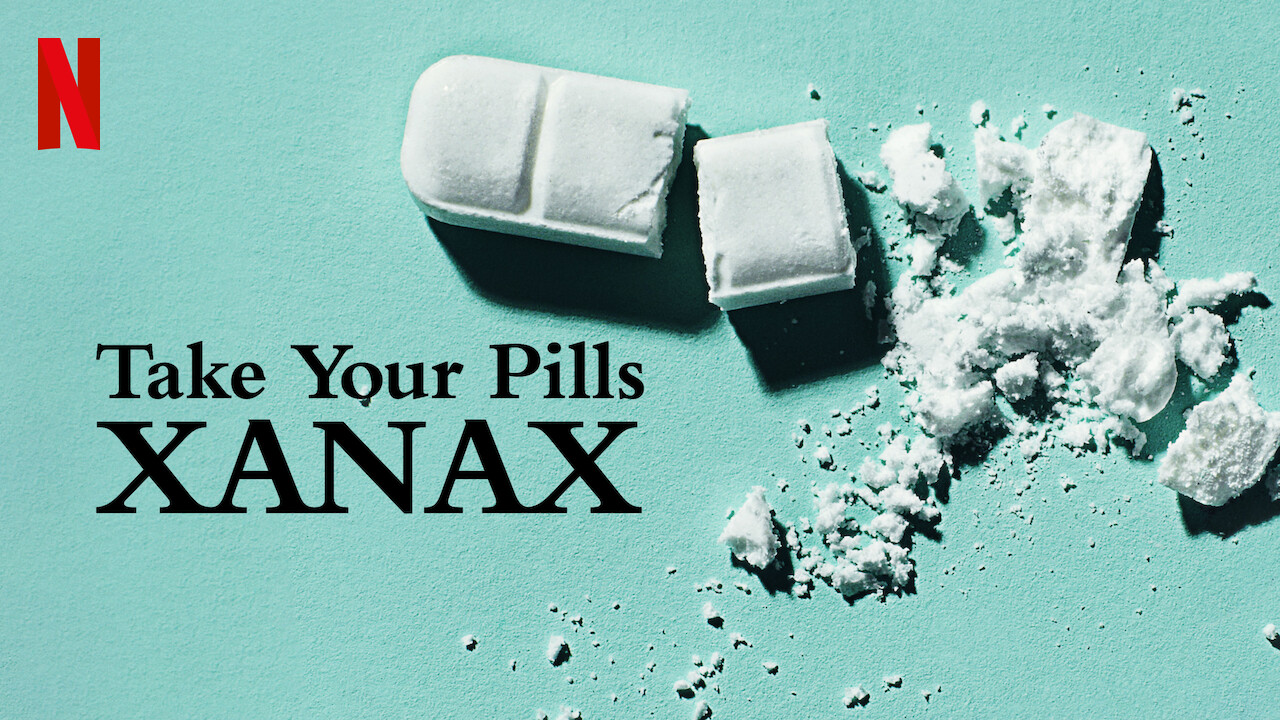
As many might know there is a new Netflix documentary called Take Your Pills: Xanax and it combines interview footage from physicians, patients, and journalists about anxiety and the use of Xanax. For the most part I thought there were a lot of reasonable discussions about anxiety, its treatment, and the role of medication. I feel like this is an appropriate way to cap off our recent discussions about anxiety disorders and treatment.
Fear and Anxiety: Are They the Same Thing?
The documentary made it seem like anxiety and fear are the same thing and that the exact same neurobiology is involved in each case. I think about anxiety and fear as two separate things that require different approaches.
Anxiety is what an individual feels when they are worried about something that could potentially happen in the future. If you watched my other videos on generalized anxiety disorder (GAD) then you know the Diagnostic and statistical manual (DSM) has made excessive worry the hallmark of GAD.
Fear is a core emotion along with sadness, anger, joy, excitement, and disgust. It’s different than anxiety, which is a fear of some future event happening. Fear is triggered in the moment. When you see that bear walking on the hiking trail or hear the rattle of a snake the fear centers of our brain are activated immediately in that moment. It’s not that we are obsessing about some future outcome, there is something present in the environment that is threatening and demands immediate action.
The Fear Center of The Brain
In humans the fear center of the brain is called the amygdala which stands for almond and that’s because they taste like almonds. No, wait that isn’t right, it’s because they are shaped like an almond. The amygdala is what fires when you see that bear in the woods. This triggers the fight or flight response which leads to things like increase blood flow to the muscles, and increased energy. It prepares the body to run away or fight if necessary.
Benzodiazepines MOA
Benzodiazepines enhance GABA activity by acting as allosteric modulators of the GABA-A receptors. This is the major inhibitory neurotransmitter in the body, and it acts to dampen everything down. Benzodiazepines increase the frequency of opening of chloride ion channels which in turn inhibits the cell and prevents the neuron from firing.
Anxiety Is a Part of Life
As I’ve said before we all have anxiety under certain circumstances. It’s not always a bad thing to have anxiety. In many ways anxiety reminds us that this situation is important, and we need to be appropriately prepared. A healthy amount of anxiety is a good thing overall.
Things go sideways when the anxiety is chronic, persistent, and severe. As I’ve stated in the previous videos some people are just more prone to anxiety. These individuals are high in the big 5 personality trait of neuroticism. While most of us will fall somewhere in the middle there will be outliers on either side with some having significantly less anxiety and others having significantly more.
The one thing that made this documentary hard to follow is that they combined all the anxiety disorders together, at one point they were describing panic attacks, social anxiety, and GAD as if they are all part of the same disease process. While there is significant overlap, the course of illness, and treatment plans will vary greatly which is why proper diagnosis is so important.
Xanax Works great for Physical Symptoms of Panic Attacks
When the interviewees start talking about Xanax it’s in the context of people experiencing panic attack. This is an important distinction to note as most of the symptoms of panic attacks are physical and thus will have a greater response to benzodiazepines. If we are talking about GAD, or social anxiety the anxious thoughts will still be there, and the benzodiazepine may be less effective.
Why Temperament and Environment Deserves More Attention
Much of our baseline temperament is genetic and will be part of the story that determines if you will have more or less anxiety. The other part of the story is environment. The experiences we have matter a lot too. In child psychiatry, there has been this huge focus on minimizing adverse childhood events (ACES). We discovered that things like sexual abuse, physical abuse, and loss of a parent can result in significant risk for poor health outcomes in the future. Baseline temperament that predisposes someone to anxiety combined with significant lifetime trauma could set the table for a future anxiety disorder.
The Prevalence of Benzodiazepine Use
In this documentary they make it seem like benzodiazepine prescriptions have skyrocketed over the last several decades. These prescriptions have increased but we need to explore why. One thing I see all the time is primary care providers prescribing benzodiazepines for patients early in treatment for depression and anxiety. Before exploring psychotherapy or other medication options the person walks out with a Xanax prescription. There is a reason the research tells us most people who see a primary care provider for depression and anxiety do not get better. In fact, as few as 20% of those started on antidepressants by primary care will show significant clinical improvement. This is not a knock on primary care, it’s more that they have been thrown into a mental health crisis and are usually the first person to encounter a patient with anxiety.
The important trends I would like people to pay more attention to is the risk of prescribing opioids and benzodiazepines in combination. This can result in increased risk for overdose death and a significant risk for severe respiratory depression. In addiction treatment people often feel very anxious when stopping opioids and it’s common to want to address that anxiety as a doctor. What ends up happening is people are on medication treatment for opioid use disorder, a benzodiazepine for anxiety, and gabapentin for that little extra relief. All these medications in combination put the patient at risk for adverse outcomes. Another thing to pay attention to is where all the opioid prescriptions are coming from. The highest rates are in many southern states and in places like West Virginia where the opioid epidemic hit the hardest. The final item to discuss is the increased rates of benzodiazepine prescribing in the elderly. There seems to be an increase in benzodiazepine use in this population which is more dangerous due to the risk of falls, altered mental status, and possibly dementia.
There has been a lot of talk over the years about the increased risk of dementia associated with benzodiazepine use. There data has been mixed, but I would say it’s largely in favor of using caution when prescribing benzodiazepines in older populations and avoiding the long-term use of benzodiazepines in all populations.
Social Media and Anxiety
I think social media has done as much harm as it has good for people’s mental health. If you believe everything you see on social media, the impression is everyone you know, or follow is winning, and you are losing. In the past you only had to compare your life to people in your community. Now, we get to compare our lives to the world. Not only are we comparing our lives to large pool of people, but we are also comparing them to people who have created online personas under false pretenses. These are individuals rent house for photo shoots to make you believe that is where they live, or people taking steroids then asking you to buy some supplement that does not provide the results it promises. We all like to think we are immune to these types of schemes, but we are not. In our minds we are comparing our worst moments to other people’s best moments and assuming that this is reality. This is clearly a recipe for anxiety and depression.
Dangerous Coping Strategies for Anxiety
I do not think using alcohol or drugs to alter one’s state of consciousness is exclusive to the past. People have been doing this forever, and it remains a poor way to cope with anxiety. I think one of our problems is attempting to cure the stresses of life. In my practice I do not believe that taking a medication or using alcohol are ways to “cure” anxiety. Most individuals need to take a long hard look at their life and see where the anxiety is coming from and where life changes can be implemented to reduce the tension. When someone takes time to systematically dissect the cause of their anxiety, they often already know what they should do. Take more time off work, practice better self-care, exercise, eat healthy, and sleep better these examples all come to mind for most patients. Most people feel trapped and do not believe they can carve out the time to do these things and that is part of the reason they turn to medication or drugs/alcohol to cope.
While I still believe benzodiazepines can be useful in the right context, they are designed to be used short term. I set limits with my patients early in the process letting them know up front that we are not using this as a long-term solution for their anxiety.
Potential Side Effects of Benzodiazepine use
They did a nice job of describing the changes in memory that occur because of benzodiazepine use. The ability to laydown new memories is impaired when using benzodiazepines that is why I caution anyone with PTSD who is in trauma-based psychotherapy to avoid the use of benzodiazepines. They also focused on the disinhibition caused by increased GABA-A activity. This is less a side effect and more a response that should be expected from the medication. Most individuals with anxiety are wound too tight and have trouble relaxing. The problem with this response occurs when that disinhibition is excessive resulting in embarrassment or inability to work for example.
Withdrawal from these medications can be deadly. There is risk for seizure, rebound anxiety, rebound insomnia all of which can be very distressing. The problem with benzodiazepine withdrawal is the variability in terms of patient’s tolerance to dose reductions. Some patients can tapper off very quickly and have no issue, others need to be tapered slowly over months to years. While I would say it’s rare to have someone who is very sensitive to dose adjustments it can happen and tapering slowly while watching for withdrawal symptoms is important. The example of the guy pipetting a liquid microdose of alprazolam would not be a normal situation, and if you just watch this documentary, you may think everyone who tries to come off these medications must go through a similar process. Benzodiazepines can be safely reduced under the guidance of doctor.
Conclusion
What we see in the end is more of the same recommendations most of my patients would tell “doc I already know this.” They talked about using complementary and alternative medicine which I am a big fan of, diet, exercise, mindfulness, and psychotherapy to find the underlying causes of the excessive worry. They introduce the idea at the end that the world is broken and defective and we should not have to accept the world as it is. This is fine but significant change on a massive scale takes time and it still leaves people asking the question “what do I do right now.” I’m personally active in advocacy work at the local and state level, which is one approach, but it takes a lot of time and resources to affect policy changes and not every patient will have the time or desire to engage in such activities. The only true way out of anxiety is through it. Daily life is painful, and we need to accept that to some degree. Medicating away feelings that are part of life is certainly not the solution and can be the reason we find ourselves in trouble.
In the first part of this series, we discussed anxiety and specifically generalized anxiety disorder (GAD) as a diagnosis. Now we are going to look at the research associated with the treatment of GAD and let the research inform our decision making about what works when a person presents with GAD. Some of these findings may surprise you.
SSRIs
Although the effect size of SSRIs in GAD is small, 0.33 they remain the recommended first line option for treatment. It’s also important to confirm that someone has had an adequate trial of SSRI treatment before assuming it’s not effective. The choice of which SSRI will depend on the side effect profile and other patient factors such as presence of insomnia, substance use, or pregnancy. Escitalopram is a good place to start, fluoxetine, or sertraline can be alternative options. Although paroxetine has the FDA approval for GAD it has more side effects like weight gain and sedation, along with several other factors that make this medication a poor first-line option. If the first medication trial is ineffective it’s reasonable to try a second SSRI or switch to the SNRI duloxetine.
When SSRIs Don’t Work
The next step in many cases is to try a medication from a different class. Two SNRIs have been well studied in GAD, venlafaxine, and duloxetine. Venlafaxine is not considered a first line choice due to the side effect profile and the small increase in efficacy. From the meta-analysis on anxiety treatments the effect size is 0.36 slightly better than the SSRIs but it would likely be undetectable clinically. Duloxetine is slightly better with respect to side effects and can be a good choice if you chose to use an SNRI for anxiety treatment. It has the added benefit of lower risk for sexual side effects compared to venlafaxine and possibly improved cognition.
Bupropion in Anxiety Disorders
There is some evidence for the use of bupropion in GAD. In one study small study of 25 participants bupropion beat the SSRI escitalopram head-to-head. Other lines of evidence include more improvement in GAD when bupropion was added as a combination treatment with SSRIs compared to adding buspirone. For clarification the effect size of buspirone in GAD is 0.17 which would be unlikely to produce any observable clinical improvement in anxiety symptoms. I largely stay away from buspirone unless it’s used to treat sexual side effects of SSRIs. Bupropion may be good option for patients who do not want the side effect profile of an SSRI. Although we lack the large RCTs for bupropion in GAD there is some evidence to support its use. The negative studies indicating bupropion worsened symptoms of anxiety come from studies in panic disorder where bupropion was found to worsen panic symptoms.
What About New Antidepressants?
Vortioxetine had a lot of hype when it first came out, and many believed it would work for GAD. Unfortunately, like many medications when we believe something should theoretically work based on the mechanism of action, we are sadly disappointed. This is one of those cases. The effect size was found to be 0.12 and it did not even cross into the small range. This medication performed worse than buspirone for GAD.
Vilazodone also had one positive study published for GAD. Again, based on the MOA it should work just fine, it has typical SSRI like effects in addition to 5-HT1A effects like buspirone, you should get the best of both worlds theoretically. This one positive study was followed by two distinctly negative studies and a calculated effect size of 0.26 which is considered small.
Both were not submitted for FDA approval for GAD based on the negative results.
The Hydroxyzine Argument
Hydroxyzine is an antihistamine that’s been out for a long time. As I stated earlier it has approval for tension associated with psychoneurosis which is the old psychanalytic way of describing anxiety. It’s often seen as ineffective, but the effect size was higher than SSRIs and SNRIs for the treatment of GAD. Hydroxyzine had an effect size of 0.45, and we may want to reconsider the use of this medication. Some limitations are the size of the studies and duration of the studies, but this still provides a fair amount of evidence that hydroxyzine may perform better than we think.
Quetiapine Surprised Me
Quetiapine is an antipsychotic medication usually not considered as a treatment option for anxiety disorders. However, the effect size was large with a range from 1.0 to 2.2. To put this in perspective this medication outperformed SSRIs, SNRIs, and benzodiazepines. Why did it not gain FDA approval? If you watched my other videos, you should know that the side effect profile is difficult to tolerate. Metabolic side effects and sedation are common, and the FDA does not view anxiety disorders as significant enough to warrant this degree of risk. One place where this medication may be very useful is in bipolar disorder with severe anxiety. We avoid antidepressants in this population at all costs, quetiapine offers a good option with strong evidence and strong antidepressant effects in bipolar depression.
Where this fits in clinical practice for me is as a 3rd or 4th line option after all other avenues have been explored except for bipolar disorder as stated above. The antipsychotic medications have been known to have a positive effect on anxiety, but the limitation remains side effects.
Anxiety as a less Severe Form of Psychiatric Illness
According to the FDA medications like aripiprazole and quetiapine are reasonable adjunctive therapies for patients with major depression that does not respond to first line treatment options. This is not their view for anxiety disorders that respond poorly to first line options. When we look at disability caused by depression and anxiety there isn’t much difference in the odds of being disabled for depression vs anxiety (3.5 Vs 3.1). For whatever reason we continue to view anxiety as less significant although DSM does not identify a clear diagnostic hierarchy.
Things like psychotherapy are often recommended as first line options. In the 1980’s when GAD was first conceived, it was thought to be a mild disorder where psychotherapy is the most effective treatment. In fact, psychotherapy did well it had an effect size of 0.5 which is nearly the same as benzodiazepines. Psychotherapy is a good place to start for anyone presenting with an anxiety disorder. I’m also a big believer of combining psychotherapy and medication for anxiety disorders.
What about Benzos?
Benzodiazepines can have all sorts of effects on the body. Largely we think of the benefits of benzodiazepines in anxiety disorders as having a major effect on the physical symptoms of anxiety and not so much on the chronic worry that characterizes the disorder. Many of the effects of benzodiazepines would not be measured by traditional anxiety rating scales based on the updated conception of GAD. Nevertheless, Benzodiazepines had an effect size of 0.4-0.5 which falls into the moderate range for GAD.
A final Option to Consider
Silexan the proprietary extract of Lavender oil has good evidence and a large effect size when used to treat GAD. In Germany there is a respect for the power of natural products, and they are regulated and prescribed in the same manner as pharmaceutical drugs. When silexan was studied in GAD the effect size can range from 0.5 to 0.9. This is a large effect size and I have another video that covers Silexan in detail if you are interested. This can be added to most medication regimens without significant drug interactions and has even been shown to decrease the use of benzodiazepines in those who are using them for GAD. It can be purchased under the brand Name Calm Aid for around $30 per month, and if you are wondering I get no financial compensation for saying this I’m just presenting the evidence.
Conclusion
We covered a lot here today and I think one of the most important points to stress is the importance of finding the underlying cause of anxiety symptoms. I believe anxiety is driven by other underlying factors as discussed at the beginning of the video. There are many reasons to be anxious and all require a different approach. Without this clarification the patient is likely to continue struggling. Another important point is theoretical mechanism of action that should work, do not always work as seen in the case of vilazodone. We also had some surprises, hydroxyzine, and silexan performed very well but traditional first line options such as SSRI and SNRIs were not so great. I hope this discussion was helpful and if you want more content on anxiety disorders, let me know below in the comments section.