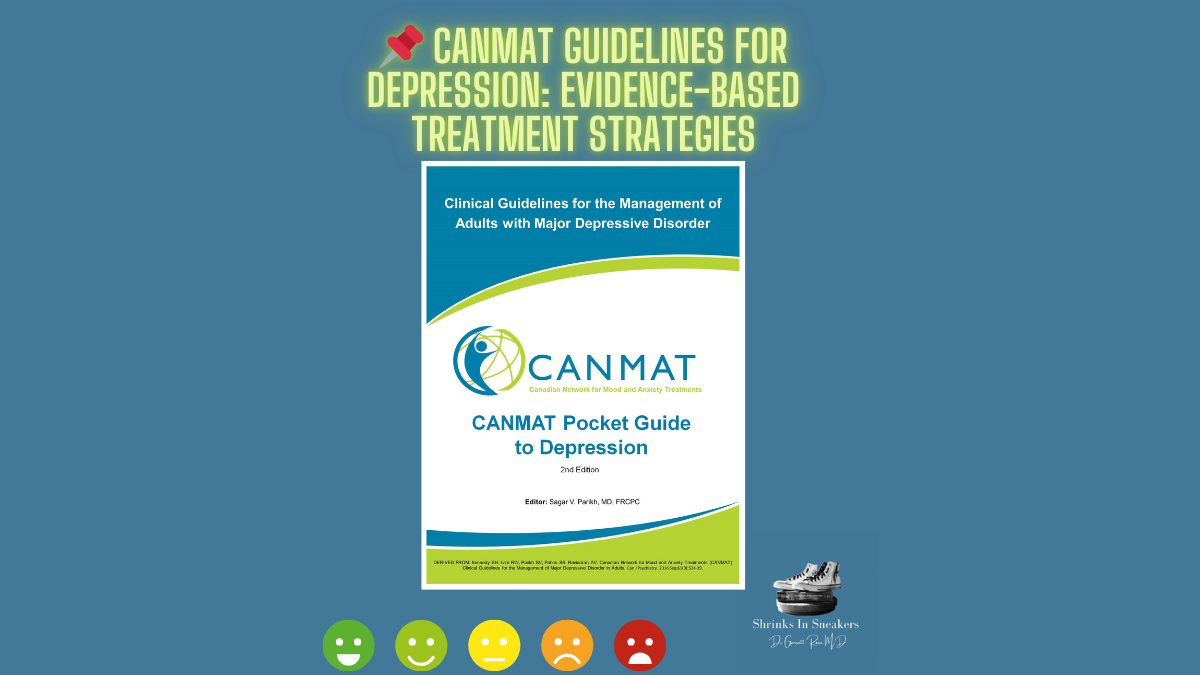
The CANMAT 2016 guidelines remain one of the most comprehensive, evidence-based frameworks for treating major depressive disorder (MDD). These guidelines emphasize a stepwise, individualized approach based on efficacy, safety, and patient preference. Here’s a breakdown of the key recommendations:
🔹 First-Line Treatments
✅ Psychotherapy – Cognitive Behavioral Therapy (CBT), Interpersonal Therapy (IPT), and Mindfulness-Based CBT are recommended, especially for mild to moderate depression. ✅ Pharmacotherapy – SSRIs, SNRIs, bupropion, mirtazapine, and vortioxetine are all first-line antidepressantsbased on efficacy and tolerability. ✅ Neurostimulation – Electroconvulsive Therapy (ECT) and Repetitive Transcranial Magnetic Stimulation (rTMS) are considered first-line for severe or treatment-resistant depression (TRD).
🔹 Second-Line Treatments
🔸 Other antidepressants – Tricyclics (TCAs), trazodone, moclobemide, and some atypical antipsychotics (e.g., quetiapine XR, aripiprazole, brexpiprazole) 🔸 Adjunctive strategies – Lithium, atypical antipsychotics, or combination antidepressant therapy for partial responders 🔸 Ketamine/esketamine – Emerging evidence for TRD
🔹 Third-Line & Beyond
🔹 MAOIs (reserved for treatment-resistant cases) 🔹 Novel agents (psilocybin, anti-inflammatory treatments) – Experimental but promising
💡 Key Takeaways 🔹 Personalized treatment is essential – factors like symptom profile, comorbidities, and patient preference influence the best approach. 🔹 Combination strategies (meds + psychotherapy) often yield superior outcomes. 🔹 Treatment-resistant depression requires a multimodal approach, including augmentation, switching strategies, and neurostimulation options.
The CANMAT guidelines are a critical resource for clinicians, offering a structured approach to optimizing depression treatment. What are your go-to strategies for managing MDD? Let’s discuss!
The key difference between vulnerable narcissistic personality disorder (NPD) and grandiose NPD lies in how the narcissistic traits are expressed and how the person copes with feelings of inadequacy and low self-esteem. Both fall under the umbrella of narcissistic personality disorder, but they represent different presentations:
Grandiose Narcissism
Core Traits:
Overt self-importance and entitlement.
A strong sense of superiority and belief in their own greatness.
Craving admiration and validation from others.
Often charismatic, confident, and socially dominant.
Defense Mechanisms:
Rely on denial and externalizing blame to avoid feeling vulnerable.
Tend to dismiss or belittle others’ opinions if they conflict with their own.
Interpersonal Behavior:
Exploitative in relationships, using others to bolster their self-esteem.
Seek out positions of power or visibility to maintain their inflated self-image.
Emotional Regulation:
Typically outwardly composed and unbothered, though they may become aggressive or vindictive if their self-image is challenged.
Vulnerable Narcissism
Core Traits:
Feelings of inadequacy, hypersensitivity to criticism, and low self-esteem.
A covert sense of entitlement—believing they deserve admiration but fearing they won’t get it.
A façade of humility or introversion, masking deep insecurities.
Defense Mechanisms:
Use avoidance and withdrawal to protect themselves from perceived rejection or failure.
Internalize blame and self-doubt, leading to cycles of shame and self-criticism.
Interpersonal Behavior:
Appear shy, reserved, or socially anxious, but they harbor fantasies of being special or recognized.
May oscillate between needing reassurance and distancing themselves from others out of fear of being hurt.
Emotional Regulation:
Prone to depression, anxiety, and mood swings.
Vulnerable to feelings of emptiness and envy of others’ success.
Clinical Distinction
While grandiose narcissists may seem outwardly self-assured and dominant, vulnerable narcissists are more likely to present with symptoms resembling mood or anxiety disorders, often masking their narcissistic traits.
Both types share a fragile self-esteem at their core but manifest it in opposite ways: grandiose types inflate their self-image, while vulnerable types retreat into themselves.
Grandiose Narcissism in a Clinical Setting
Case Example:
Presentation: A 45-year-old CEO attends therapy after his spouse threatens divorce, citing his arrogance and lack of empathy. He describes the problem as “Everyone just misunderstands how hard it is to be as driven and successful as me.”
Behavior in Session:
Dominates conversations, dismisses the therapist’s insights, and subtly challenges their expertise.
Boasts about his achievements, financial success, and social status but avoids discussing emotional issues or personal failures.
Minimizes his spouse’s complaints as “overreactions,” viewing them as jealous or ungrateful.
Underlying Issues:
Although he appears self-confident, his grandiosity masks deep fears of failure and inadequacy.
His need for admiration and his inability to tolerate criticism create interpersonal conflict.
Therapeutic Challenge:
Establishing rapport while gently confronting his defensiveness.
Helping him acknowledge and address the vulnerability underlying his grandiosity without triggering a withdrawal or rage response.
Vulnerable Narcissism in a Clinical Setting
Case Example:
Presentation: A 30-year-old graduate student seeks therapy for persistent depression and social anxiety. She describes herself as “a failure” and avoids academic conferences because she feels “everyone there is smarter and more talented.”
Behavior in Session:
Initially shy and reserved but gradually reveals fantasies of being recognized as brilliant and exceptional in her field.
Complains about colleagues receiving awards, feeling envious and deeply resentful, but also guilty for having those feelings.
Struggles to accept praise, dismissing it as insincere or undeserved, and reacts strongly to perceived slights or criticism.
Underlying Issues:
She feels torn between craving recognition and fearing rejection.
Her self-esteem depends heavily on external validation, but she avoids situations where she might fail or be criticized.
Therapeutic Challenge:
Helping her tolerate and process feelings of inadequacy without retreating into shame or avoidance.
Building her sense of self-worth independent of external achievements or comparisons.
Comparison:
Interpersonal Dynamics:
Grandiose narcissists demand validation and admiration from others; vulnerable narcissists fear and avoid situations where their insecurities might be exposed.
The CEO pressures the therapist to affirm his greatness, while the student fears the therapist will see her as inadequate.
Emotional Reactions:
The CEO might react to confrontation with anger or dismissal, while the student might respond with shame or withdrawal.
Defense Mechanisms:
Grandiose types externalize blame (“They’re the problem”), whereas vulnerable types internalize it (“I’m the problem”).
Clinical Insights
Both types present challenges in therapy:
Grandiose narcissists may struggle with self-reflection, requiring careful, non-confrontational approaches to expose vulnerabilities.
Vulnerable narcissists are often more willing to explore their insecurities but may require help managing their intense shame and self-doubt.
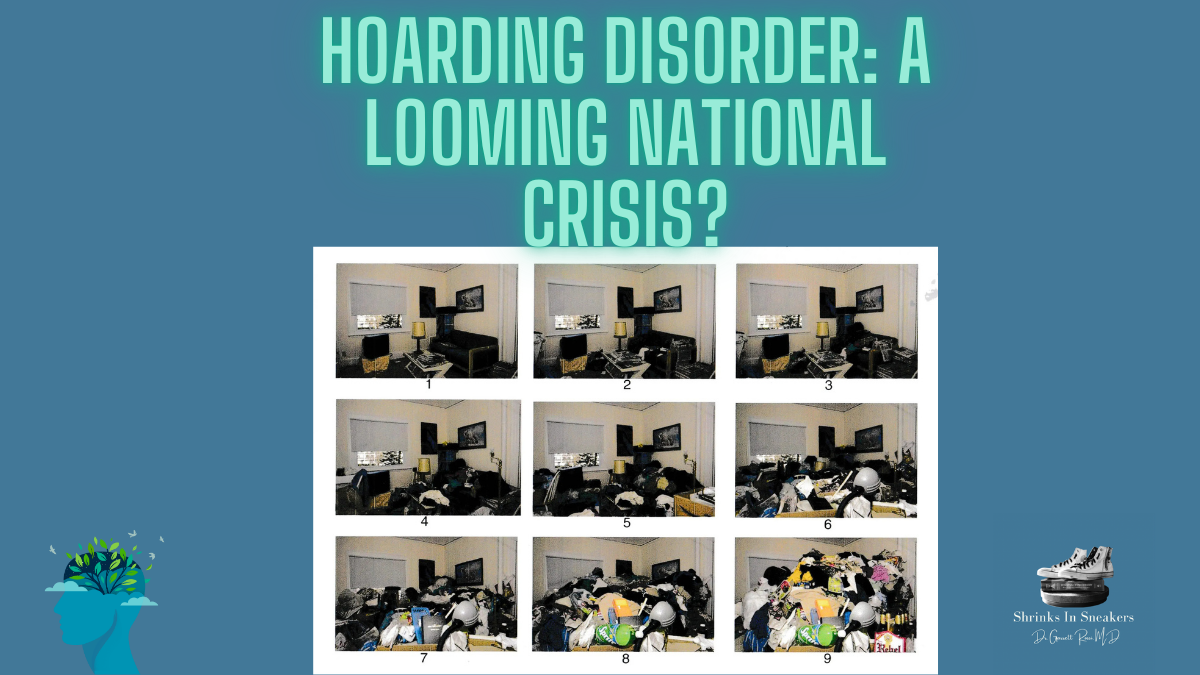
A recent article on Medscape, Hoarding Disorder: A Looming National Crisis?, highlights the growing prevalence of hoarding disorder (HD) among older adults. While HD affects approximately 2% of the general population, studies suggest that prevalence may reach up to 6% among individuals over 70 years old.
HD is characterized by persistent difficulty discarding possessions, even those with little to no monetary value. For individuals with HD, these items often provide a sense of security or serve as emotional reminders of the past. To outsiders, it’s difficult to understand why these possessions hold such deep significance, but for the person with HD, the items have profound sentimental value.
Hoarding disorder is sometimes viewed as a subset of obsessive-compulsive disorder (OCD), but the overlap is not absolute. Many individuals with HD do not meet diagnostic criteria for OCD and often fail to respond to traditional OCD treatments. In my practice, I’ve come to conceptualize HD less as an extension of OCD and more as a personality-related condition influenced by environmental and psychological factors. For instance, many individuals with HD grew up in homes where similar behaviors were modeled. However, the precise causes of HD remain unclear.
The consequences of HD are particularly concerning in older adults. The accumulation of clutter can pose significant safety risks, including fire hazards, tripping injuries, and even the potential for homelessness. These dangers were evident in a recent consult case where a medical team sought a psychiatric assessment of an elderly patient living in a severely cluttered home. Although the risks were undeniable, the individual did not meet criteria for psychiatric hospitalization. Even if hospitalization were an option, there is no FDA-approved treatment for HD at this time.
The most evidence-based intervention we have for HD is cognitive-behavioral therapy (CBT), which requires sustained engagement over many weeks. Unfortunately, a key barrier is that many individuals with HD do not recognize the need for change or are reluctant to participate in therapy. This makes HD a uniquely challenging condition to address.
Effective management of HD begins with education—helping patients understand the disorder, its risks, and the available treatment options. But education alone is not enough. We urgently need robust community support systems, including services to assist with clearing hazardous clutter and providing ongoing support to encourage treatment adherence.
Inpatient psychiatric hospitalization, in my opinion, offers little benefit for HD. Instead, we need long-term, community-focused solutions. While policymakers often call for greater action to address mental health challenges, they frequently overlook the resource constraints faced by frontline providers. If we are to rise to this challenge, funding and systemic support must match the urgency of their rhetoric.
HD is more than a personal struggle—it’s a public health issue with profound implications for individuals, families, and communities. As healthcare providers, we are ready to do more. Now, we need our leaders to step up and provide the resources to make that possible.
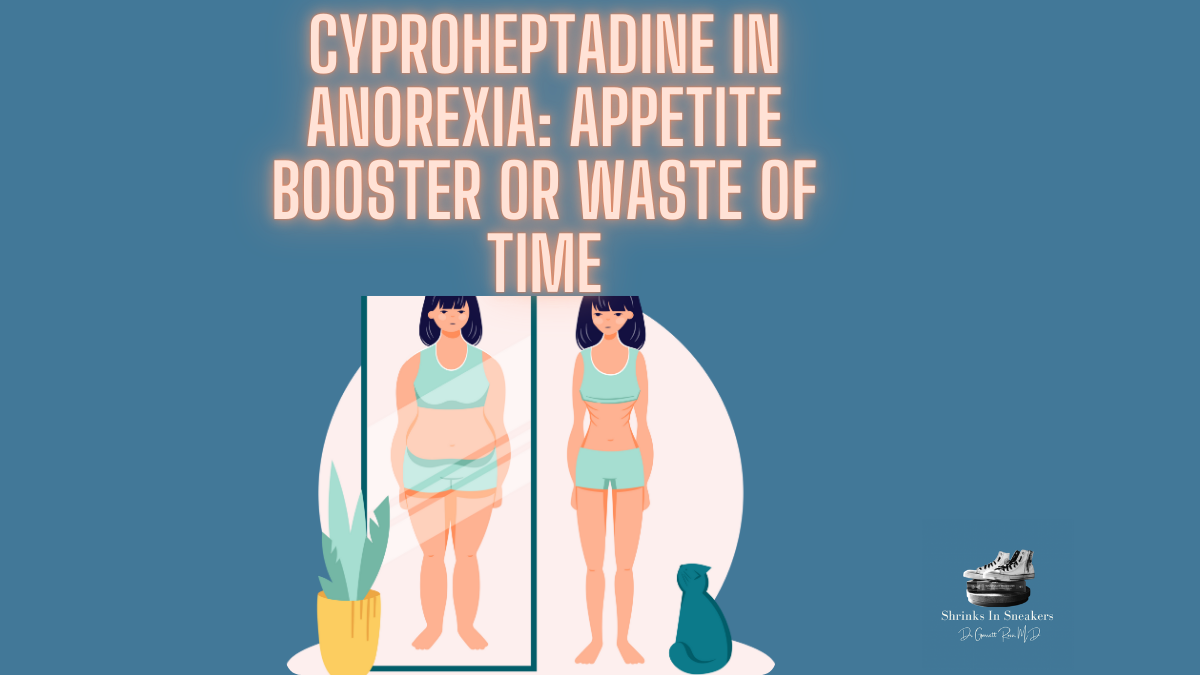
Over the past few posts, I’ve been using real cases from my practice to highlight essential teaching points in managing complex conditions. Anorexia nervosa, one of the most severe and high-mortality disorders I encounter, demands a multifaceted approach, especially in critical cases. Recently, I had to explore every possible option to support a particularly challenging case, including cyproheptadine—a medication with potential benefits in anorexia. I decided to dive deeper into the evidence supporting its use. At the end of this post, I’ll share my own experience with cyproheptadine in this case and whether it made a difference in the outcome
Cyproheptadine has been studied in the treatment of anorexia, particularly anorexia nervosa, due to its appetite-stimulating and antihistaminic properties. Some early randomized controlled trials (RCTs) suggested it might have benefits, especially for anorexia nervosa with certain subtypes, but the evidence has been mixed, and it’s not widely recommended in current guidelines.
Weight Gain: Cyproheptadine has been shown in some RCTs to help promote weight gain in individuals with anorexia nervosa, particularly in those with a restricting type of the disorder. However, results have not been consistent across studies, with some trials finding minimal or no effect on weight gain.
Symptom Relief: Cyproheptadine may help reduce anxiety and obsessive thoughts related to food, as its antihistaminic and mild sedative effects can have a calming influence. However, this has not been strongly confirmed across all trials.
Limitations and Side Effects: The mixed evidence may relate to differences in study designs, anorexia subtypes studied, and dosages used. Side effects, such as sedation, have also limited its use, especially in outpatient settings where these effects might interfere with daily functioning.
Overall, while some RCTs have shown cyproheptadine might help with weight gain and symptom relief in anorexia, particularly in non-binging types, the evidence remains inconclusive. In my personal practice with the medication, I saw limited if any benefit by adding this medication to current standard of treatment. We are often looking for solutions to complex difficult to treat conditions such as anorexia, but the benefits here seem to be limitted both from the research and clinical perspective.
Have you ever had one of those weeks where every patient you see could greatly benefit from psychotherapy, but finding them a therapist seems impossible? There are many barriers to accessing mental health care, including inadequate or nonexistent insurance coverage and a shortage of therapists trained in specific types of therapy. For instance, I’m always on the lookout for specialists in dialectical behavior therapy (DBT), but finding even one has been a struggle. Recently, I’ve seen many patients who would benefit far more from psychotherapy than from medication, yet I haven’t been able to connect them with the quality therapy they need. We talk a lot about helping people, but I’m not seeing the commitment to providing effective treatment for our most vulnerable patients.
When we think about patients who have trouble regulating strong emotions, it often begins with a genetic predisposition toward higher emotional sensitivity. These individuals experience emotions more intensely than the average person. Their feelings are easily triggered by seemingly minor stressors, and it takes them a long time to return to baseline after experiencing these emotions.
These patients frequently encounter more stressors than the average person, creating a cycle where they experience strong emotions, face excessive stressors, and struggle to re-regulate. This combination makes life particularly challenging for these individuals, who typically lack the tools to cope with their intense emotions effectively.
To exacerbate the situation, these patients often live in invalidating environments. They are surrounded by people who don’t understand how distressing it can be to live this way, leading to the development of maladaptive coping strategies. Family and friends may perceive them as “overly emotional or irrational,” dismissing the severity of their emotional states. As a result, behaviors such as self-injury, drug use, eating disorders, and suicidal tendencies can emerge.
Support from family and friends is often only provided once these maladaptive behaviors have escalated, inadvertently reinforcing these behaviors as useful coping mechanisms. By understanding the underlying genetic and environmental factors contributing to affective dysregulation, we can better support these patients and help them develop healthier ways to manage their emotions.
The FDA’s decision to reject MDMA (methylenedioxymethamphetamine) for medical use typically stems from various concerns related to safety, efficacy, and potential for abuse.
Background
MDMA is primarily known as a recreational drug, often associated with rave and party scenes. However, it has been studied for its potential therapeutic benefits, particularly in the treatment of post-traumatic stress disorder (PTSD) and other mental health conditions.
Safety Concerns
Neurotoxicity: Research has shown that MDMA can be neurotoxic, causing damage to serotonin-producing neurons in the brain. This can lead to long-term cognitive deficits, including memory problems and mood disorders.
Cardiovascular Risks: MDMA increases heart rate and blood pressure, which can pose significant risks to individuals with underlying heart conditions. The stimulant effect can lead to hyperthermia (overheating) and dehydration.
Acute Toxicity: Overdose can lead to severe hyperthermia, serotonin syndrome, and even death. The narrow therapeutic window between a therapeutic dose and a toxic dose is a significant concern.
Efficacy Concerns
Clinical Trial Results: While there have been promising results in some clinical trials, the FDA requires extensive, well-controlled studies to confirm a drug’s efficacy. If trials do not meet these rigorous standards, the FDA may not approve the drug.
Long-term Benefits: The long-term efficacy of MDMA therapy is still uncertain. While short-term benefits have been observed, there is a need for more data on the sustainability of these effects.
Potential for Abuse and Addiction
Recreational Use: MDMA is widely used recreationally, which increases the potential for misuse and addiction. The FDA must consider the risk of the drug being diverted for non-medical use.
Dependence: There is evidence that regular use of MDMA can lead to psychological dependence, and managing this risk is crucial in the context of medical approval.
Regulatory and Ethical Considerations
Ethical Concerns: The use of a psychoactive substance in a therapeutic setting raises ethical questions, particularly regarding informed consent and the management of potential adverse effects.
Regulatory Framework: The FDA has stringent requirements for approving new medications, including ensuring that benefits outweigh risks. For a drug like MDMA, where the risks are significant, the bar for approval is high.
Conclusion
The FDA panel recently rejected the use of MDMA-assisted psychotherapy for treating PTSD, marking a significant setback for advocates of this treatment approach. The advisory committee, in a vote of 9-2, concluded that the current evidence does not support the effectiveness of MDMA in treating PTSD. Additionally, they voted 10-1 against the benefits of MDMA therapy outweighing its risks.
Several key concerns led to this decision. Firstly, issues were raised about the integrity and validity of the clinical trials conducted by Lykos Therapeutics, including potential biases, functional unblinding, and allegations of misconduct. The panel also highlighted gaps in the data, particularly regarding the potential for abuse and adverse cardiovascular events associated with MDMA.
Despite the panel’s recommendation, the FDA is not obligated to follow their advice, though it often does. The outcome has disappointed many proponents of MDMA-assisted therapy, who argue that the treatment could provide much-needed relief for PTSD patients who have not benefited from existing therapies.
The entactogen MDMA overlaps with the chemical structure of methamphetamine and mescaline and has biological effects similar to epinephrine, dopamine, and serotonin.
It increases the release of monoamines through the reversal of transporter proteins and reuptake inhibition specifically serotonin and norepinephrine. Not only does it block reuptake of serotonin and norepinephrine it enhances the release as well and inhibits VMAT preventing the packaging of monoamines into vesicles making more available for release. It also modulates glucocorticoids through the HPA axis, decreases amygdala and hippocampal activity, increases oxytocin, and increase prefrontal cortex activity.
Medical Use
MDMA started out as a therapeutic agent to enhance blood clotting for surgical procedures and trauma. Turns out it does not work very well for that indication, who would have thought. It’s currently listed as a schedule I substance (defined as having no accepted medical use, high abuse potential, and lack of accepted safety).
It was later discovered to have “empathogenic effects” helping individuals who use the medication to feel more connected to their fellow human beings. After all isn’t that what we are all after? A deep connection to others and people who truly understand us. The original name for the drug was empathy, but that has changed over the years to molly and escstcy. Personally, I like names that describe what a drug does, and empathy or empath is just so much more marketable don’t you think?
Why PTSD is a Big Problem
With several recent wars in both Iraq and Afghanistan, America has a PTSD problem with many combat veterans returning home and requiring treatment. If you ever treated patients with PTSD than you know it’s difficult and the therapy can be intense. Many patients are unable to sit with the discomfort required to reconsolidate these memories. Having worked at the VA for one year I was surprised by the number of vets with non-combat related PTSD. Honestly, they the vast majority of my cases were people who had accidents while working or in training and subsequently developed PTSD.
The idea is we need methods to enhance the efficacy and speed of trauma focused psychotherapies. What better way to do that than with empathy a medication that enhances feelings of connection. The basic idea being the patient would be given MDMA and then undergo psychotherapy and by using the medication it can influence fear extinction and memory reconsolidation. There are many mechanisms at play including effects on dopamine, serotonin, BDNF, cortisol, and oxytocin.
The concept of using a psychedelic drug to enhance the effects of psychotherapy is not a new concept, and was done for years using LSD and other compounds. What is different now, is we are trying to put the scientific rigor behind the studies to prove that it works better than placebo, and to learn more about the mechanism of action.
I want to point out that the main benefit of all these psychedelic medications seems to be enhanced neuroplasticity and the ability to form new connections in critical neurocircuits much easier than would otherwise be possible.
Benefits of MDMA Assisted Psychotherapy
-Increase blood flow to the vmPFC decreasing activation of the amygdala largely responsible for the fear response
-Enhance the production of BDNF which improves the long-term potentiation and memory consolidation
-Elevate the stress hormone cortisol which interacts with glucocorticoid receptors in the hippocampus to improve memory
-Elevates the prosocial neuropeptide oxytocin which decreases activation of the amygdala and enhances connection with the therapist
-Increased levels of dopamine which can destabilize the old memories and help with reconsolidation of new ones
-Increased serotonin levels resulting in prosocial and positive affective states.
The goal of PTSD treatment is to prevent the patient from being held hostage by these memories. We want to destabilize the old memories, modify them, and reconsolidate the new memories. The trauma still occurred, but the patient no longer has the same fear reaction to the traumatic memories.
MDMA-Assisted Therapy proved to be highly effective in individuals with severe PTSD.
-In this study investigators gave patients with PTSD 120-180 mg of MDMA along with a trauma focused psychotherapy. There were significant rates of both response and remission compared to placebo.
-MDMA was well tolerated
-It was granted breakthrough status by the FDA
-This was a big deal in the news and media outlets
-It needs to be replicated to confirm the results
Potential Adverse Effects of MDMA
-Potential for abuse and diversion (probably no take homes)
-Possible hyperthermia or hyponatremia (more common in the recreational use environment than clinical)
-People often engage in prolonged physical activity in hot environments and do not consume enough water this results in dehydration and possible hyperthermia (think large dance party)
-In the opposite case the person overcompensates and overconsumes water diluting their blood and causing hyponatremia. Excess of anything can cause problems and water is no exception.
Blue Monday and Black Tuesday
-Use of MDMA can cause low mood, irritability, and fatigue. It can occur for days after recreational use.
-In the clinical setting, fatigue, anxiety, low mood, headaches, and nausea can occur in the week after treatment