Everyone told me not to comment on this situation a few months ago and here we are:
Recent developments in the case of Matthew Perry’s death have taken a serious turn as two doctors have been charged with the illegal distribution of ketamine. The charges allege that these physicians were involved in prescribing the powerful anesthetic, known for its potential misuse as a recreational drug, outside the bounds of medical necessity.
This case has raised significant concerns about the role of medical professionals in the broader issue of prescription drug abuse. Ketamine, while valuable in certain psychiatric contexts such as treatment resistant depression, carries a high risk of abuse and dependence, making its distribution tightly regulated.
The charges against Perry’s doctors highlight the ongoing challenges in ensuring that powerful medications are prescribed responsibly and underscore the need for stricter oversight in the medical community. The legal proceedings will likely shed more light on the extent of the alleged misconduct and its impact on Perry and others.
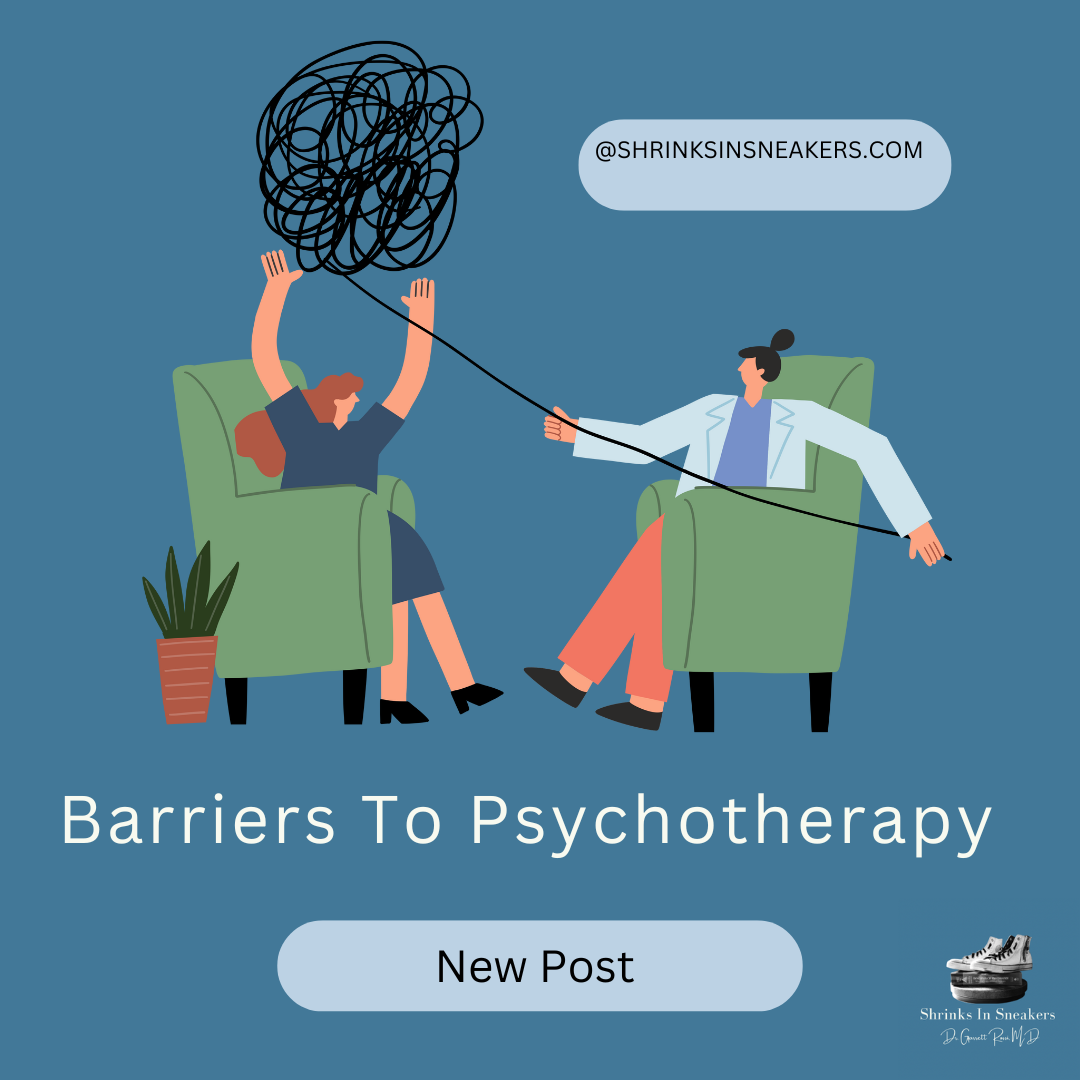
Have you ever had one of those weeks where every patient you see could greatly benefit from psychotherapy, but finding them a therapist seems impossible? There are many barriers to accessing mental health care, including inadequate or nonexistent insurance coverage and a shortage of therapists trained in specific types of therapy. For instance, I’m always on the lookout for specialists in dialectical behavior therapy (DBT), but finding even one has been a struggle. Recently, I’ve seen many patients who would benefit far more from psychotherapy than from medication, yet I haven’t been able to connect them with the quality therapy they need. We talk a lot about helping people, but I’m not seeing the commitment to providing effective treatment for our most vulnerable patients.
Non-suicidal self-injury (NSSI) is generally believed to be more prevalent among females, but there is limited research exploring the sex and geographic-specific factors influencing its prevalence among adolescents. This meta-analysis, which reviewed 38 studies, found that NSSI is twice as common in female teenagers compared to males in North America, though this pattern is not observed in Asia. This raises an important question: what factors are driving such significant distress in young women? Mood disorders, body image issues, and anxiety are all recognized as contributing factors that increase the likelihood of NSSI. We are lucky to have some treatments that help with NSSI including dialectical behavioral therapy (DBT). If you or someone you know is struggling with NSSI please reach out for help.
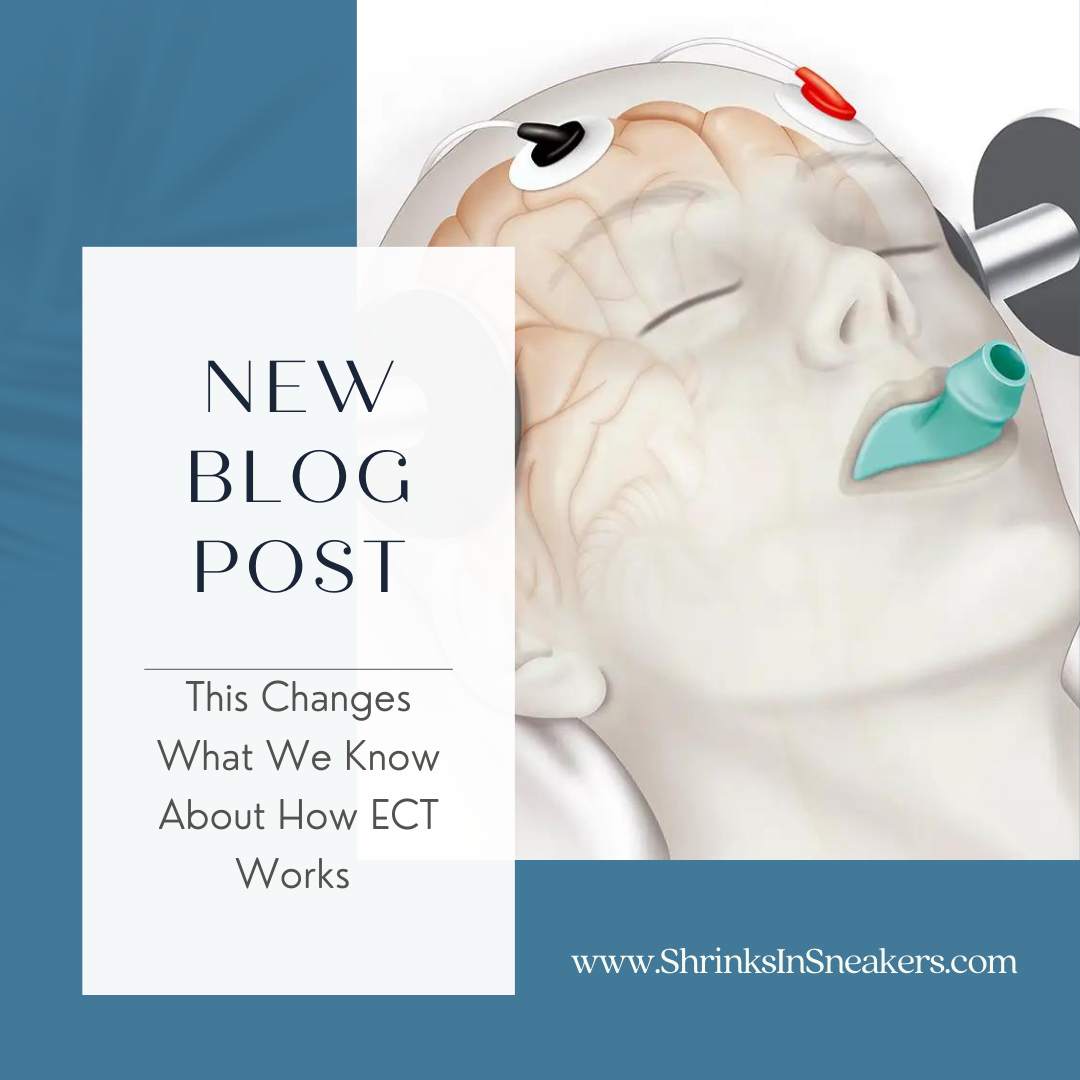
I’ve had tremendous success with Electroconvulsive Therapy (ECT) in treating resistant depression (TRD). I’ve witnessed remarkable turnarounds, where individuals on the brink of despair have found new joy in life. Such rapid improvements are often not seen with medication alone.
Until now, there have been various theories about how ECT works in treating depression. I’ve always viewed it as a combination of increased neuroplasticity, which allows new, more adaptive connections to form quickly, and a boost in all major monoamine neurotransmitters.
However, new research published in Translational Psychiatry suggests that aperiodic brain activity might be key to the improvements we see with ECT. There’s a significant increase in this type of brain activity after patients undergo ECT, which enhances inhibitory activity in the brain, effectively “pumping the brakes” and alleviating depressive symptoms.
Unfortunately, ECT remains one of the most stigmatized and underutilized treatments in psychiatry. It’s estimated that less than 1% of those with treatment-resistant depression (TRD) receive ECT—a disheartening statistic that contributes to depression’s status as a leading cause of disability.
For patients where medications have repeatedly failed, ECT can be a life-saving treatment. There are many compelling stories of lives transformed by ECT, but the public rarely hears them. We need to create more opportunities to share these powerful success stories.
When we think about patients who have trouble regulating strong emotions, it often begins with a genetic predisposition toward higher emotional sensitivity. These individuals experience emotions more intensely than the average person. Their feelings are easily triggered by seemingly minor stressors, and it takes them a long time to return to baseline after experiencing these emotions.
These patients frequently encounter more stressors than the average person, creating a cycle where they experience strong emotions, face excessive stressors, and struggle to re-regulate. This combination makes life particularly challenging for these individuals, who typically lack the tools to cope with their intense emotions effectively.
To exacerbate the situation, these patients often live in invalidating environments. They are surrounded by people who don’t understand how distressing it can be to live this way, leading to the development of maladaptive coping strategies. Family and friends may perceive them as “overly emotional or irrational,” dismissing the severity of their emotional states. As a result, behaviors such as self-injury, drug use, eating disorders, and suicidal tendencies can emerge.
Support from family and friends is often only provided once these maladaptive behaviors have escalated, inadvertently reinforcing these behaviors as useful coping mechanisms. By understanding the underlying genetic and environmental factors contributing to affective dysregulation, we can better support these patients and help them develop healthier ways to manage their emotions.
This short post came about from a conversation with my residents. We often see patients who have a complete lack of community. A great book on the topic by Sebastian Junger “Tribe” which talks about finding a community or tribe of people and building that support network. We joked that in our area neighbors don’t even say hello to each other.
In the past, communities were an integral part of our lives, with grandparents, parents, and other supportive individuals living in close proximity. These communities provided a sense of watchfulness, love, and valuable life lessons. When surrounded by a strong community, the constant negative dialogue in our minds diminishes. This negative self-talk often leads to stress and anxiety, which can have harmful effects on our physical health, such as increased blood pressure, decreased immune function, and elevated cortisol levels. Over time, these physical responses can be detrimental to both body and mind, leading to emotional distress.
We are all on our own journeys, and while some may be further along than others, the journey is never truly complete for anyone who is still alive.
Stage 1: more than one adequate trial of 1 major class of antidepressants
Stage 2: Failure of more than 2 adequate trials of two different classes of antidepressants
Stage 3: stage 2 + TCA
Stage 4: Stage 3 + MAOI
Stage 5: Stage 4 + bilateral ECT
With every medication or neuromodulation procedure used that doesn’t work, the more treatment resistant the depression becomes.
Antidepressant Response Rates
Frist Medication Trial: 50% respond and 37% have remission
Second Medication Trial: Another 29% respond and 31% have remission
Third Medication Trial: 17% respond and 14% have remission
Fourth Medication Trial: 16% respond and 13% have remission
The overall cumulative remission rates are 67%, keeping in mind that people who progressed through more treatment stages had higher relapse rates and more residual symptoms including anhedonia, emotional blunting, and lack of motivation.
If someone is having a poor response to medication, what do you do?
We know that bipolar disorder is missed in a significant number of patients who present with depression about one in five will be misdiagnosed. We also know that antidepressants can be mood destabilizing in bipolar illness resulting in mixed features and rapid cycling. Other things that can interfere with response include substance use disorder, personality traits, and PTSD.
Medical Comorbidities that can interfere with antidepressant response include hypothyroidism, Cushing disease, Parkinson’s disease, cancer, vitamin/nutritional deficiencies, and viral infections
Psychosocial factors that contribute to treatment resistance
-Female sex
-Older Age
-Single Unmarried (happiness studies indicate that good relationships are very important)
-Unemployment
Symptoms that make TRD more Likely
-Recurrent episodes usually 3 or more
-Severe depression and inpatient admission
-Anxiety, Insomnia, or Migraine
When Your First Choice Fails
There are several approaches
-Switch antidepressant classes
-Combine antidepressants
-Add a dopamine blocking medication
-Add L-methylfolate
-Add Psychotherapy
-Start Neuromodulation
What’s the most effective strategy
Hands down the most effective thing to do if a patient has a poor response to the initial antidepressant treatment is to add a dopamine blocking medication. Response and remission rates are much higher, but it comes at the price of increased side effect potential.
What are the most used Dopamine Blockers in Antidepressant Augmentation
-Quetiapine
-Olanzapine
-Risperidone
-Aripiprazole
-Ziprasidone
Older patients 65 years and older respond better to aripiprazole augmentation than switch to bupropion, or combination with bupropion.
Brexpiprazole: 1-3 mg/day Adjunctive for Depression
Most Common Concerns patients have about being on dopamine Blocking Medication
-Weight gain 60% of people report this concern
-Metabolic side effects
-EPS
-Sedation
-Akathisia
-Prolactin-related Effects
Anti-Inflammatory Medications
For those with elevated inflammatory biomarkers specifically c-reactive protein there is some emerging evidence that these treatments work.
-Medications like Celecoxib, Omega-3 fatty acids, statin drugs and minocycline
-Weight loss
-Effect Size: 0.55
-Higher response and remission rates
-May only work in those with high inflammatory biomarkers
Glutamate Modulators
-Ketamine Infusions and Esketamine: both work and a reasonable option if TRD
-There are several medications in development
Psychotherapy in TRD
Unfortunately, what we find with TRD is psychotherapy does not prevent TRD, it doesn’t mean there is no benefit it just means future episodes will not be prevented by psychotherapy. On its own, psychotherapy may not be as helpful as we would like in TRD but when combined with medication it does help. That tells us about the importance of evaluating severity of depressive episode.
When Someone does not experience remission from major depression, we need to ask ourselves why, and come up with new solutions. This discussion will focus on the treatment of these individuals by first explaining what symptoms predict poor response to treatment and what symptoms of major depression result in the most psychosocial dysfunction.
What Causes Functional Impairment in Major Depression
From the STAR*D study we know that only 50% of patients respond to the first antidepressant treatment and only 33% achieve remission. An important question is why, or more specifically what factors result in poor outcomes.
Contrary to popular belief the medications we use to treat depression work well for some neurovegetative symptoms. Symptoms such as sleep, and appetite improve but the most debilitating symptoms often remain. Consistently Anhedonia and concentration are rated by patients with depression as the most debilitating. These cognitive symptoms such as trouble concentrating, difficulty planning, and poor attention lead to dysfunction at home and work.
Cognitive Symptoms Impair Work Performance
We all need to work to live, and depression is a leading cause of disability and poor work performance worldwide. What we know is that subjective measures of cognitive dysfunction are a better predictor of workplace performance than total depression severity. Someone with more severe overall depression scores may perform better at work than someone with perceived cognitive dysfunction from depression. This is one possible reason for a lack of improvement as many treatments do not address cognitive symptoms.
Anhedonia makes everything Worse
Possibly the most debilitating symptom of depression is anhedonia. Anhedonia is defined as loss of interest in previously pleasurable activities. A strong predictor of poor antidepressant outcome is the loss of interest. Making anhedonia a primary target of treatment would be wise if we want to improve outcomes in depression.
We have additional evidence that indicates how important anhedonia is for psychosocial function. Functional improvement is strongly associated with improvement in anhedonia. The improvement in anhedonia had a larger effect on psychosocial function than overall symptomatic response.
Emotional Blunting Effects on Treatment Outcomes
While people do not want to be depressed, they also do not want to be emotionally dull. Unfortunately, we know that emotional blunting is reported in nearly half of all depressed patients on antidepressants. This appears to be common to all monoamine antidepressants with bupropion having the lowest reported risk. Emotional blunting cannot be totally accounted for as just a side effect of treatment, it’s also a symptom of depression. However, the point remains the same emotional blunting results in poorer quality of remission.
Doctors Are Too Medically Oriented
The world of psychiatry is very different from other medical specialties. Psychiatry is really art based in science and if you try to approach mental health treatment from a strictly scientific basis you will never help anyone. When patients and physicians are asked to rank the symptoms of depression, they believe are most important, the lists do not match up.
Patients focus on restoration of positive affect by ranking things such as meaning and purpose in life, enjoyment in life, satisfaction with oneself as the top three most important things to address in depression. Clearly what should stand out to you here is that medication is unlikely to improve any of these factors.
Doctors rank depressed mood, hopelessness, and anhedonia as their top three symptoms to address. These symptoms are far better addressed by medication than the ones listed by patients although you could argue that hopelessness and anhedonia are difficult to treat with medication.
The effect of Loneliness on Health Outcomes
I’ve talked about this before and it continues to be a major concern in our modern world. We are the most connected we have ever been as a society with the advent of social media and the internet, yet no one feels connected. This is an existential crisis for all of us and I haven’t heard many good solutions. Time and time again we go back to the same things such as the internet and social media to feel connected and they continue to let us down. Not only is this emotionally taxing, but it’s also effecting our physical health as well. Here is yet another example of something that is very important for depression treatment outcomes that medication cannot fix.
Conclusion
What does this all mean? Should we stop attempting to use medication for the symptoms of depression? For me these findings indicate we need to screen more carefully for these specific symptoms that result in poor outcomes. We need to improve our psychosocial treatments to help people address ways to enhancing meaning and purpose in their lives. We need to recognize the limitations of medications. Medications have a place and do address some of the symptoms associated with depression, they just aren’t the ones patients believe are most important in their lives.
It wasn’t that long ago when I was sitting in lectures as a first-year psychiatry resident. I learned about the first- and second-generation antipsychotic medications in detail. One commandment that was always preached in my training was to never combine two antipsychotic medications because there is no additional benefit. Today we are here to explore this idea and see if there is truly no additional benefit to using two antipsychotics and explore why there is so much antipsychotic polypharmacy in serious mental illness.
Since most guidelines discourage the use of multiple antipsychotic medications, why are many psychiatrists going against these guidelines? In most cases we are just trying to stabilize patients, get them better, and keep them out of the hospital as the goal is to provide most psychiatric care in the community. To reach these goals a single medication does not always produce the desired results.
Patients that end up on multiple antipsychotics have some unique characteristics. They tend to have more severe psychotic symptoms, are male, unemployed, and younger. Those with frequent inpatient admissions on involuntary status are also more likely to end up on two medications.
What To Do When a Single Medication Is Not Enough?
The use of multiple antipsychotics is an area of limitted research. However, there is a difference between rational polypharmacy and irrational polypharmacy.
We should start this discussion by saying a patient should be started on monotherapy titrated to an effective dose and continued on the medication for 6 weeks prior to making a change. If the first medications fails, then switching to another medication or long acting injectable is a reasonable next step. If after another 6 weeks of treatment the patient remains unstable and symptomatic the technical next step is to start clozapine. There are many reasons why clozapine may not be a good option for a particular patient including the strict requirements for weekly complete blood cell counts CBCs.
Assuming this process is followed and the patient is still symptomatic what’s the next step?
Consider Receptor Binding Profiles
This is the first step in prescribing two medications rationally. Most first-generation medications such as Haldol will bind tightly to D2 receptors and stay bound to the sites longer. Second-generation medications like quetiapine are known to bind to the receptors and quickly dissociate giving an on-off like effect. Tight binding and longer duration of binding can lead to extrapyramidal side effects (EPS), whereas quick on-off medications like quetiapine have limitted EPS risk.
You should also consider other receptors the medication may target such as histamine and muscarinic cholinergic receptors. It would be best to avoid combining two medications that have high antihistamine and anticholinergic activity.
Let’s look at some scenarios where antipsychotic polypharmacy makes sense.
Patients With Acute Agitation
This is a common problem on the inpatient unit. A patient is on a low-potency quick on-off medication like quetiapine but remains symptomatic and is engaging in dangerous behavior.
The addition of a higher potency, higher affinity medication like Haldol makes some sense here. This will control the acute agitation, can be titrated until the psychotic aggression is controlled, and can be stopped as soon as the patient is stable on quetiapine. We can see how the receptor binding profile makes this combination reasonable.
Clozapine Refractory Patients
What do you do when a patient is on the best antipsychotic medication but remains symptomatic?
We do have several lines of evidence that we can look at for this question. One option is to add low dose risperidone. This is a similar idea to adding Haldol to quetiapine. Clozapine has lower affinity for the D2 receptor than risperidone which has much higher affinity for D2 receptors. There were two placebo-controlled trials that support this combination. Before combining medications, I would suggest obtaining a clozapine level to make sure it’s therapeutic.
There are two more recent studies that compared multiple antipsychotic medication combinations and used rehospitalization as a measure of effectiveness. Both studies found a significant reduction in rehospitalization for patients receiving polypharmacy compared to those receiving monotherapy. The best outcome was achieved when clozapine was combined with aripiprazole.
Patient is On a Long Acting Injectable (LAI) but Remains Symptomatic at the Highest Dose
This is a common problem because the doses of LAIs are limitted. For example, the LAI aripiprazole (Aristida) is limitted to a maximum dose of 20 mg/day. The oral formulations of aripiprazole allow for a maximum dose of 30 mg/day. One strategy is to give the injection early. This will usually be done on week 3 for formulations that last 4 weeks. Another option is to add another medication with a different receptor binding profile such as the clozapine aripiprazole combination that was shown to reduce the risk of rehospitalization.
Treatment of Insomnia
The addition of low dose quetiapine to a medication like paliperidone is common in clinical practice. Once D2 receptor blockade has been maximized by reaching an effective dose of paliperidone, considering the addition of as need (PRN) quetiapine for its low potency and sedating properties is reasonable. The medication should be used PRN only and should be removed once the insomnia has resolved. Consider a sleep study if sleep apnea is possible and using other options such as short-term orexin antagonists, melatonin, and sedating antidepressant if appropriate.
Treatment of Antipsychotic Induced Side Effects
I know what you are going to say, adding a medication to treat a side effect of another medication doesn’t make sense. Let’s take an example to illustrate why this makes sense. If a patient is stable on risperidone and is discovered to have an elevated prolactin level you have an obligation to address it. The addition of low dose aripiprazole has been proven to reduce prolactin levels in these cases. Another possibility is using aripiprazole to reduce the metabolic burden of medications such as clozapine. There is much more limited data in this area and I would consider metformin a much better option to start with if antipsychotic induced weight gain is a problem.
In the process of Switching Medication the Patient Achieves Remission
This is another common clinical scenario. A patient didn’t respond to a medication, and you begin decreasing the dose of the first medication while titrating the new medicine. Then suddenly they are better. You don’t know why but they are better than they have ever been and now you are afraid to make any additional changes. Ideally you would finish the process and appropriately titrate the new medicine while discontinuing the ineffective medication. There is no good data to support inadequate dosing of two antipsychotics, and it’s best to continue your taper/titration and reevaluate after it’s complete.
Conclusion
There is still limited data to support the use of multiple antipsychotic medications although it is often seen in clinical practice. There are a few places where the addition of a second medication makes sense, and we can use receptor profiles to help us make rational decisions and avoid excess side effect burden.
Recently Jonah Hill celebrated the gift of therapy with his Netflix documentary ‘Stutz’ which chronicles his journey through therapy and his friendship with Phil Stutz co-author of The Tools. This film was intended to highlight the benefits of psychotherapy and celebrate the teachings of Dr. Stutz. Personally, I think the documentary was low on practical advice for the average person, but it did highlight one very important factor that affects therapy outcomes. That will be the topic of today’s video, can we have a therapist who is also our friend?
Therapeutic Alliance and Why It’s so Important
This documentary raises many questions for someone who has been in both roles as therapist and patient. Time and time again we see that the most important factor in psychotherapy outcomes is the strength of the therapeutic alliance. The therapeutic alliance is a working relationship between the patient and their therapist that allows them to work together on established goals of therapy.
To me this comes down to how much do you like, trust, and feel comfortable opening up to the therapist. When we like someone and feel-good talking to them, we feel better regardless of what type of therapeutic techniques they use. Research has suggested that the quality of this relationship is a reliable predictor of positive clinical outcomes independent of the psychotherapy approach used. I remember in training hearing many of my psychotherapy preceptors make similar statements. Jonah Hill did a wonderful job of demonstrating the power of this alliance throughout the film. For me this was the big takeaway, considering Stutz is not a traditional psychotherapist.
Having a Therapist as Your Friend
I do not believe it’s ever a good idea to become friends with a patient. There are reasons we do not accepts gifts from patients, hangout with them outside of the assigned appointment times, or have romantic relationships. These to me are boundary crossings which will interfere with the work. Yes, in the case of this film it all worked out fine, at least that’s what they want you to believe. It did not appear that Hill had fully come to terms with his past, or unstable self image. He still seemed vulnerable and is possibly worse off as he’s come to depend on the relationship with Stutz for relief.
The goal of any good therapist should to teach our patients to become their own therapist. To use and apply the skills learned in the work of therapy, not to come for some friendly advice or a chat like old college buddies. The therapist is there to help guide the work in a warm empathetic way that allows the patient to take control of their life.
What Makes Stutz a Good Therapist?
It’s very difficult to make a blanket statement about how good Stutz is as a therapist. For Hill, he helped him process some very difficult work including making peace with his brother’s untimely death and working on self-esteem and body image. Stutz is honest, warm, and empathetic during his encounters. He knows how to push sensitive buttons in a playful manner and can establish a strong therapeutic alliance. These are things any aspiring psychotherapist can and should learn to use.
Some Things That Are Not So Good
When you start psychotherapy with any patient you must establish a therapeutic framework where the work of psychotherapy will be carried out. While I believe there is a loose framework established in the film it doesn’t appear to be well developed. This opens the door for boundary crossing which you as the therapist might not be aware is occurring because the frame is so weak. He also relies on self-developed Tools that aren’t validated by scientific evidence and appears at times as an authority figure giving out life advice. Advice can be useful in supportive psychotherapy, but most patients will not follow advice alone. Is this entirely bad? No, but it might not work for most patients unless you share the same feelings for the therapist as Hill does.
Therapist Reputation and Outcomes
Sometimes a therapist will develop a reputation as being “good.” Clearly, in celebrity circles Stutz has that reputation. When a new patient comes there is a belief that this therapist has access to special knowledge or skills that cannot be had any other way is already established. I do not think the tools as presented in the book/film are groundbreaking or things people have not heard before. In the film Stutz words are seen as absolute truth and there is full buy in from Hill which is probably why he felt better. While his tools are developed from his clinical practice, they are not validated scientifically. In place of science, we have a charismatic therapist asking for full faith in a program with no scientific validity. For some this approach clearly works, but it’s not because the tools are any better than other techniques used in psychotherapy.
Final Thoughts
I really Like Stutz and I do believe there are people that would benefit from his approach to therapy. However, the main benefit would not come from the tools he teaches because they are largely similar to other techniques and not scientifically validated. What you would benefit from in this brand of therapy is a warm, emphatic, and charismatic listener with some good advice if you’re willing to take it. After all, maybe that is really where the magic of therapy comes from anyway.