Tag: depression

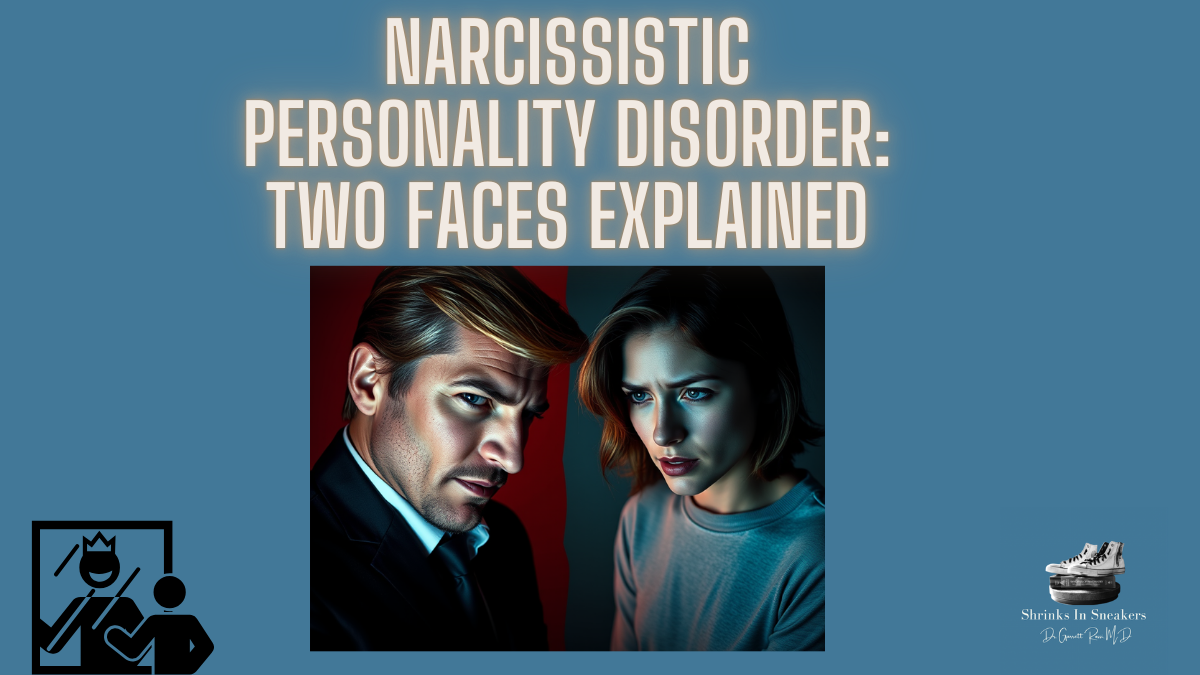
  • Narcissistic Personality Disorder: Two Faces Explained

    Narcissistic Personality Disorder: Two Faces Explained

    The key difference between vulnerable narcissistic personality disorder (NPD) and grandiose NPD lies in how the narcissistic traits are expressed and how the person copes with feelings of inadequacy and low self-esteem. Both fall under the umbrella of narcissistic personality disorder, but they represent different presentations:

    Grandiose Narcissism

    • Core Traits:
      • Overt self-importance and entitlement.
      • A strong sense of superiority and belief in their own greatness.
      • Craving admiration and validation from others.
      • Often charismatic, confident, and socially dominant.
    • Defense Mechanisms:
      • Rely on denial and externalizing blame to avoid feeling vulnerable.
      • Tend to dismiss or belittle others’ opinions if they conflict with their own.
    • Interpersonal Behavior:
      • Exploitative in relationships, using others to bolster their self-esteem.
      • Seek out positions of power or visibility to maintain their inflated self-image.
    • Emotional Regulation:
      • Typically outwardly composed and unbothered, though they may become aggressive or vindictive if their self-image is challenged.

    Vulnerable Narcissism

    • Core Traits:
      • Feelings of inadequacy, hypersensitivity to criticism, and low self-esteem.
      • A covert sense of entitlement—believing they deserve admiration but fearing they won’t get it.
      • A façade of humility or introversion, masking deep insecurities.
    • Defense Mechanisms:
      • Use avoidance and withdrawal to protect themselves from perceived rejection or failure.
      • Internalize blame and self-doubt, leading to cycles of shame and self-criticism.
    • Interpersonal Behavior:
      • Appear shy, reserved, or socially anxious, but they harbor fantasies of being special or recognized.
      • May oscillate between needing reassurance and distancing themselves from others out of fear of being hurt.
    • Emotional Regulation:
      • Prone to depression, anxiety, and mood swings.
      • Vulnerable to feelings of emptiness and envy of others’ success.

    Clinical Distinction

    • While grandiose narcissists may seem outwardly self-assured and dominant, vulnerable narcissists are more likely to present with symptoms resembling mood or anxiety disorders, often masking their narcissistic traits.
    • Both types share a fragile self-esteem at their core but manifest it in opposite ways: grandiose types inflate their self-image, while vulnerable types retreat into themselves.

    Grandiose Narcissism in a Clinical Setting

    Case Example:

    • Presentation: A 45-year-old CEO attends therapy after his spouse threatens divorce, citing his arrogance and lack of empathy. He describes the problem as “Everyone just misunderstands how hard it is to be as driven and successful as me.”
    • Behavior in Session:
      • Dominates conversations, dismisses the therapist’s insights, and subtly challenges their expertise.
      • Boasts about his achievements, financial success, and social status but avoids discussing emotional issues or personal failures.
      • Minimizes his spouse’s complaints as “overreactions,” viewing them as jealous or ungrateful.
    • Underlying Issues:
      • Although he appears self-confident, his grandiosity masks deep fears of failure and inadequacy.
      • His need for admiration and his inability to tolerate criticism create interpersonal conflict.
    • Therapeutic Challenge:
      • Establishing rapport while gently confronting his defensiveness.
      • Helping him acknowledge and address the vulnerability underlying his grandiosity without triggering a withdrawal or rage response.

    Vulnerable Narcissism in a Clinical Setting

    Case Example:

    • Presentation: A 30-year-old graduate student seeks therapy for persistent depression and social anxiety. She describes herself as “a failure” and avoids academic conferences because she feels “everyone there is smarter and more talented.”
    • Behavior in Session:
      • Initially shy and reserved but gradually reveals fantasies of being recognized as brilliant and exceptional in her field.
      • Complains about colleagues receiving awards, feeling envious and deeply resentful, but also guilty for having those feelings.
      • Struggles to accept praise, dismissing it as insincere or undeserved, and reacts strongly to perceived slights or criticism.
    • Underlying Issues:
      • She feels torn between craving recognition and fearing rejection.
      • Her self-esteem depends heavily on external validation, but she avoids situations where she might fail or be criticized.
    • Therapeutic Challenge:
      • Helping her tolerate and process feelings of inadequacy without retreating into shame or avoidance.
      • Building her sense of self-worth independent of external achievements or comparisons.

    Comparison:

    1. Interpersonal Dynamics:
      • Grandiose narcissists demand validation and admiration from others; vulnerable narcissists fear and avoid situations where their insecurities might be exposed.
      • The CEO pressures the therapist to affirm his greatness, while the student fears the therapist will see her as inadequate.
    2. Emotional Reactions:
      • The CEO might react to confrontation with anger or dismissal, while the student might respond with shame or withdrawal.
    3. Defense Mechanisms:
      • Grandiose types externalize blame (“They’re the problem”), whereas vulnerable types internalize it (“I’m the problem”).

    Clinical Insights

    Both types present challenges in therapy:

    • Grandiose narcissists may struggle with self-reflection, requiring careful, non-confrontational approaches to expose vulnerabilities.
    • Vulnerable narcissists are often more willing to explore their insecurities but may require help managing their intense shame and self-doubt.

  • Iclepertin Trial Results: Insights on Schizophrenia Treatment

    Iclepertin Trial Results: Insights on Schizophrenia Treatment

  • New ASAM and AAAP Guidelines for Stimulant Use Disorder: Key Updates

    New ASAM and AAAP Guidelines for Stimulant Use Disorder: Key Updates

    The American Society of Addiction Medicine (ASAM) and the American Academy of Addiction Psychiatry (AAAP) recently released updated guidelines for the treatment of stimulant use disorder (SUD).

    1. Comprehensive Assessment: The guidelines emphasize a thorough assessment of patients, including the use of validated screening tools to diagnose SUD, assess severity, and identify co-occurring mental health disorders.
    2. Evidence-Based Psychosocial Interventions: Behavioral therapies remain the cornerstone of treatment. Cognitive-behavioral therapy (CBT), contingency management (CM), and motivational interviewing (MI) are recommended due to strong evidence of their efficacy.
    3. Pharmacological Treatments: While no medications are currently FDA-approved specifically for stimulant use disorder, the guidelines discuss off-label use of medications like bupropion and naltrexone, which show promise in reducing stimulant use and cravings in some patients.
    4. Harm Reduction Strategies: Recognizing the importance of harm reduction, the guidelines support interventions like needle exchange programs and education on safer use to reduce the risk of infectious diseases and other health complications.
    5. Integrated Care Models: The guidelines highlight the importance of integrated care that combines medical, psychiatric, and social support services, aiming to provide holistic care tailored to individual patient needs.
    6. Special Populations: Specific recommendations are provided for treating special populations, including pregnant individuals, adolescents, and those with co-occurring mental health disorders, recognizing the unique challenges these groups face.
    7. Recovery Support: Emphasis is placed on long-term recovery support, including peer support groups, vocational training, and housing assistance, to help individuals maintain recovery and improve their quality of life.

    These guidelines represent a significant step forward in the standardization of care for individuals with stimulant use disorder, aiming to improve outcomes through evidence-based, patient-centered approaches. For clinicians, staying informed and implementing these recommendations can greatly enhance the quality of care provided to this population.

  • Evidence-Based Sleep Routine for ADHD

    Evidence-Based Sleep Routine for ADHD

    Sleep challenges are common among individuals with ADHD, as difficulty winding down, racing thoughts, and irregular schedules can interfere with restful sleep. Establishing a structured, evidence-based bedtime routine can significantly improve sleep quality, attention, and emotional regulation. 

    1. Stick to a Consistent Schedule

    • Why: Consistency trains your body’s internal clock (circadian rhythm).
    • How:
      • Go to bed and wake up at the same time every day, including weekends.
      • Avoid sleeping in more than 1 hour on weekends to prevent disrupting your schedule.

    2. Limit Screen Time Before Bed

    • Why: Blue light from devices suppresses melatonin production, delaying sleep onset.
    • How:
      • Stop using screens (phones, tablets, TVs) at least 60 minutes before bedtime.
      • Use blue light filters or glasses if screen use is unavoidable.

    3. Create a Calming Bedtime Routine

    • Why: A predictable sequence of activities signals to your brain that it’s time to wind down.
    • How:
      • Start 30–60 minutes before bed with calming activities, such as:
        • Reading a physical book (non-stimulating material).
        • Light stretching or yoga.
        • Journaling to offload thoughts or plan the next day.
        • Taking a warm bath or shower.

    4. Optimize Your Sleep Environment

    • Why: ADHD brains are more sensitive to stimuli, so a serene environment promotes deeper sleep.
    • How:
      • Darkness: Use blackout curtains or a sleep mask.
      • Quiet: Use white noise machines or fans to block out distractions.
      • Temperature: Keep the room cool (around 65–68°F).
      • Comfort: Invest in a supportive mattress and breathable bedding.

    5. Exercise Regularly, But Not Too Late

    • Why: Physical activity improves sleep quality but can be overstimulating if done too close to bedtime.
    • How:
      • Aim for 30–60 minutes of exercise daily, preferably in the morning or early afternoon.

    6. Avoid Stimulants in the Evening

    • Why: ADHD medications, caffeine, and nicotine can interfere with sleep onset.
    • How:
      • Avoid caffeine after 2 PM.
      • Discuss timing of ADHD medication with your doctor to minimize nighttime interference.

    7. Limit Naps

    • Why: Long or late naps can disrupt nighttime sleep.
    • How:
      • If you nap, limit it to 20–30 minutes earlier in the day.

    8. Avoid Heavy Meals and Alcohol Before Bed

    • Why: Digestion and alcohol can disrupt sleep cycles.
    • How:
      • Finish eating at least 2–3 hours before bed.
      • Limit alcohol consumption, especially in the evening.

    9. Address Racing Thoughts

    • Why: ADHD often causes a “busy brain” at bedtime.
    • How:
      • Use a “brain dump” journal to write down lingering thoughts, worries, or to-dos.
      • Pair journaling with a gratitude exercise to shift focus to positive thoughts.

    Example ADHD Sleep Routine

    7:30 PM: Start winding down with light activities (reading, stretching).
    8:00 PM: Turn off screens and dim the lights.
    8:15 PM: Take a warm shower or bath.
    8:30 PM: Journal to offload thoughts or plan the next day.
    8:45 PM: Practice 10 minutes of meditation or deep breathing.
    9:00 PM: Get into bed, listen to white noise, or practice gratitude.
    9:30 PM: Lights out.

  • Breaking Down Barriers: The Impact of Psychotherapy on Suicidal Ideation and Attempts

    Breaking Down Barriers: The Impact of Psychotherapy on Suicidal Ideation and Attempts

    New Insights from JAMA

    This systematic review and meta-analysis dives deep into the impact of both direct and indirect psychotherapy on suicidal ideation and suicide attempts.

    Key takeaways:

    1. Broad Scope: The study analyzed a vast array of data, ensuring a comprehensive overview of psychotherapy’s effectiveness in reducing suicidal thoughts and behaviors.
    2. Direct vs. Indirect Therapy: It highlights the distinct impacts of direct (face-to-face) and indirect (telehealth, self-help) psychotherapeutic approaches.
    3. Hope for Patients: The findings are a beacon of hope, showing significant reductions in suicidal ideation and attempts post-therapy.

    As healthcare providers, this data reinforces the crucial role of psychotherapy in our therapeutic arsenal. It’s a powerful reminder of how our interventions can save lives and offer patients a brighter, more hopeful future.

    For those in psychiatry and mental health care, this is a must-read article that could shape how we approach treatment for individuals at risk.

    Let’s continue to break down barriers and provide life-saving care. 💪✨

    Link to the article: https://jamanetwork.com/journals/jamapsychiatry/article-abstract/2824096

  • 🚨 New Research Alert! 🚨

    🚨 New Research Alert! 🚨

    We’re diving deep into the latest JAMA Psychiatry article on Social Determinants of Health & Suicide-Related Outcomes 🧠💔. This groundbreaking study sheds light on how factors like income, education, and community support play a crucial role in mental health and suicide prevention. 📊🏡💬

    Key Takeaways: 🔍 Social & economic inequalities significantly impact mental well-being. 🛠️ Addressing these factors can save lives and improve outcomes.

    🤝 Community support is more vital than ever.

    💡 With regard to suicide attempt, experience of childhood abuse and maltreatment and sexual assault, gender and sexual minority status, and parental suicide mortality were the strongest risk factors. 

    💡 For suicide mortality, justice system–involved individuals in the community, exposure to others’ and parental suicide, firearm accessibility, divorce, experience in foster care, release from incarceration, and midlife (age 35-65 years) unemployment were the SDOH with consistently strong effects. 

    Join the conversation and let’s work towards a more equitable and supportive world! 🌍✨

    #MentalHealthMatters #JAMAPsychiatry #SocialDeterminants #community #psychiatry #psychiatrist #doctor#mentalhealth #mentalhealthmatters #mentalhealthishealth #SuicidePrevention #HealthEquity #Psychiatry#Research #Wellness 🌈❤️🧠

    🔗 https://jamanetwork.com/journals/jamapsychiatry/article-abstract/2828935

  • The Erosion of Mutual Respect in Mental Health: A Growing Crisis

    The Erosion of Mutual Respect in Mental Health: A Growing Crisis

    An increasing trend I’ve noticed among patients is a lack of respect for mental health professionals who dedicate their lives to helping them. This erosion of mutual respect has become a significant contributor to burnout and emotional exhaustion for those of us working in the field.

    When you choose a career in medicine—especially in mental health—you do so with a desire to help others and make a meaningful difference in their lives. However, what you don’t expect is to face constant verbal abuse, threats, or dismissal of your expertise while you’re doing the best job possible within the constraints of an underfunded and overstretched system.

    Community mental health, in particular, operates under a scarcity of resources—limited staffing, excessive caseloads, inadequate funding, and a never-ending demand for services. These challenges are often compounded by systemic barriers, such as fragmented care, social stigma, and patients’ personal frustrations, which too often are directed at the very people trying to help them.

    It’s important to remember that mental health professionals are human, too. We experience the same range of emotions as anyone else, including pain when our work and intentions are unfairly maligned. The cumulative toll of being met with hostility instead of collaboration can lead to compassion fatigue, a diminished sense of efficacy, and even questioning the value of staying in the profession. This is particularly disheartening in a field where the work is already emotionally taxing by nature.

    We need to address this trend collectively, not just for the sake of providers but also for the patients we serve. Fostering an environment of mutual respect and understanding—on both sides—is crucial. Patients have every right to advocate for their needs and express dissatisfaction when appropriate, but it’s equally essential to recognize the humanity, dedication, and effort of those striving to help them, often in conditions far from ideal.

    For my colleagues who feel disheartened, remember that you’re not alone. Your work matters, and for every challenging interaction, there are also lives you’ve undoubtedly changed for the better—even if it isn’t acknowledged in the moment. And for the system at large, it’s imperative that we address both the external barriers to quality care and the internal culture that makes this kind of disrespect seem increasingly acceptable. If we want mental health care to thrive, we must take care of its providers just as much as its patients.

  • Evidence-Based Exercise Programs for ADHD

    Evidence-Based Exercise Programs for ADHD

    Exercise is a powerful, evidence-based strategy for managing ADHD symptoms. Research shows that regular physical activity can boost dopamine and norepinephrine levels, improving attention, executive function, and emotional regulation. 

    1. Aerobic Exercise Programs

    Aerobic activities are particularly effective for ADHD because they increase heart rate and stimulate brain chemicals associated with focus and mood.

    • Example:
      • Program: Preparing for 5K race
      • Duration: 3 times per week, 30–45 minutes per session
      • Benefits: Gradual progression helps build consistency, while running boosts executive functioning and decreases hyperactivity.

    2. High-Intensity Interval Training (HIIT)

    HIIT involves alternating short bursts of intense activity with periods of rest or lower-intensity activity. It’s time-efficient and highly engaging, which suits individuals with ADHD.

    • Example:
      • Program: 20-Minute HIIT Circuit (e.g., 30 seconds of jumping jacks, 15 seconds rest; repeat with squats, burpees, and mountain climbers)
      • Frequency: 3–4 times per week
      • Benefits: Improves impulse control and mood regulation through quick transitions and intense focus.

    3. Martial Arts Training

    Martial arts like karate, taekwondo, or judo combine physical activity with discipline and mindfulness, making them highly effective for ADHD.

    • Example:
      • Program: Weekly martial arts classes for 60 minutes
      • Key Features: Incorporates structure, focus on breathwork, and sequential movements that require attention.
      • Benefits: Enhances self-control, confidence, and attention.

    4. Yoga for ADHD

    Yoga combines movement with mindfulness, helping individuals develop better body awareness and emotional regulation.

    • Example:
      • Program: 20–30-minute yoga sessions using ADHD-focused videos (e.g., Cosmic Kids Yoga for children or Yoga with Adriene for adults).
      • Frequency: Daily or 3–5 times per week
      • Benefits: Reduces stress, improves attention span, and strengthens mind-body connection.

    5. Structured Strength Training

    Strength training involves repetitive, organized routines that build physical strength while requiring focus.

    • Example:
      • Program: 3-day split routine (e.g., arms, legs, core) at home or in the gym, using weights or resistance bands.
      • Benefits: Boosts discipline and executive functioning, while offering visible progress over time.

    6. Nature-Based Activities

    Activities like hiking, biking, or kayaking combine exercise with the calming effects of nature, reducing overstimulation.

    • Example:
      • Program: 60-minute nature walk or bike ride in a local park 2–3 times per week.
      • Benefits: Improves mood, reduces hyperactivity, and promotes relaxation.

    How to Get Started

    • Start small: Begin with 10–15 minutes and gradually increase duration.
    • Make it fun: Choose activities you enjoy to sustain motivation.
    • Set a schedule: Consistency is key. Aim for at least 150 minutes of moderate-intensity exercise per week.
    • Monitor progress: Track improvements in focus, mood, or energy levels to stay motivated.
  • When Expectations Matter: Antidepressant Efficacy vs. Psilocybin’s Unique Impact

    When Expectations Matter: Antidepressant Efficacy vs. Psilocybin’s Unique Impact

    It’s always valuable to challenge our own assumptions, especially in areas as complex as mental health treatment. A secondary analysis of a randomized controlled trial, recently published in JAMA Psychiatry, explored the role of treatment expectancies in the efficacy of psilocybin versus escitalopram for depression.

    I’ve often argued that blinding these studies is challenging, and participants are likely to have higher expectations for psychedelics like psilocybin. However, this analysis provides a nuanced perspective.

    While participants did report higher expectations for psilocybin’s effectiveness compared to escitalopram, expectancy only seemed to impact outcomes in the escitalopram group. A stronger belief in escitalopram’s efficacy correlated with better results for those receiving it. In contrast, expectancy didn’t significantly influence psilocybin’s effectiveness.

    Another intriguing finding: individuals with higher pre-treatment suggestibility showed more significant therapeutic responses to psilocybin—a pattern not observed in the escitalopram group.

    Although this is a secondary analysis and not the final word on the topic, it raises fascinating questions. Could psilocybin’s therapeutic mechanisms be less reliant on patient expectations than traditional antidepressants?

    For now, this remains an open question, but I’ll be closely following future research as it unfolds.

    Link to article: https://pubmed.ncbi.nlm.nih.gov/39653344/

  • L-theanine (LT) supplementation and Mental Health Disorders Does it work?

    L-theanine (LT) supplementation and Mental Health Disorders Does it work?

    L-theanine is a supplement I’ve personally explored, especially during periods of intense study for major exams or when managing a particularly challenging work schedule. I’ve found it to be helpful, especially when paired with caffeine, either by adding it to coffee or using pre-formulated combination products. My general stance on supplements is that they can have a place in treatment, provided they don’t interfere with other therapies. For my patients, I often allow the use of these products as adjuncts when appropriate.

    That said, it’s essential to acknowledge the limitations of supplements like L-theanine. While they may offer some benefit, particularly in mild cases or for specific symptoms, they are unlikely to provide significant relief in severe mental health conditions. Rather than viewing them as standalone alternatives, we should see these natural products as complementary tools—useful additions to comprehensive treatment plans, especially in cases requiring robust intervention.

    A recent systematic review published in BMC Psychiatry examined the effects of L-theanine (LT) supplementation on patients with mental disorders. 

    The review analyzed 11 randomized controlled trials from six countries, focusing on conditions such as schizophrenia, anxiety disorders, and Attention-Deficit/Hyperactivity Disorder (ADHD). The findings suggest that LT supplementation significantly reduces psychiatric symptoms more effectively than control conditions in individuals with these disorders. However, the authors emphasize the need for further studies to validate these findings and explore the underlying mechanisms.

    L-theanine, a non-protein amino acid found in green tea, has been associated with various mental health benefits, including stress reduction and cognitive enhancement. 

    Its potential therapeutic effects in psychiatric disorders are gaining attention, but more research is necessary to fully understand its efficacy and safety.

    In summary, while current evidence indicates that L-theanine supplementation may be beneficial for individuals with certain mental health conditions, further research is essential to confirm these effects and determine appropriate usage guidelines.

    LInk to Article: https://bmcpsychiatry.biomedcentral.com/articles/10.1186/s12888-024-06285-y