Tag: depression

  • Personalized Medicine for Anxiety and Depression: Advancing Science or Elusive Promise?

    Personalized Medicine for Anxiety and Depression: Advancing Science or Elusive Promise?

    For some time now, I’ve believed that the diagnostic categories of major depression and generalized anxiety disorder are too broad to effectively guide treatment. Our current approach often relies on a one-size-fits-all strategy, using psychotherapy or medication based on generalized diagnostic criteria. Unfortunately, the outcomes reflect this lack of precision: roughly one-third of patients improve, one-third see no change, and one-third worsen. These statistics are disheartening, especially given the profound impact these disorders have on patients’ lives.

    While this study offers valuable insights into the neurobiological underpinnings of depression and anxiety, it falls short in providing practical solutions for the average clinician. The specialized testing required to identify these differences remains cumbersome and is currently limited to research settings. What we urgently need are more accessible and efficient tools for implementing personalized medicine, enabling these advances to reach the patients who need them most.

    A recent study, Personalized brain circuit scores identify clinically distinct biotypes in depression and anxiety, sheds light on a groundbreaking approach to understanding mood and anxiety disorders. By leveraging advanced neuroimaging and machine learning techniques, researchers have developed “personalized brain circuit scores” to uncover clinically distinct biotypes among individuals with depression and anxiety.

    1. Biotypes: Moving Beyond Traditional Diagnosis

    Traditional psychiatric diagnoses often group diverse presentations under broad categories, leading to variability in treatment outcomes. This study challenges the status quo by identifying neurobiologically distinct subtypes—or biotypes—based on brain circuit activity. These biotypes provide a more precise framework for understanding individual experiences and may pave the way for tailored treatments.

    2. Methodology: Leveraging Neuroimaging and Machine Learning

    Using functional MRI (fMRI), researchers analyzed patterns of connectivity within and between key brain regions implicated in mood regulation, such as the prefrontal cortex, amygdala, and striatum. Machine learning models assigned scores that quantified circuit-specific abnormalities for each participant. These scores were used to cluster individuals into biotypes.

    3. Clinical Implications

    The identified biotypes corresponded to clinically relevant distinctions, such as:

    • Symptom profiles (e.g., anhedonia vs. hyperarousal).
    • Differential response to treatments like SSRIs, CBT, or neuromodulation.
    • Prognostic outcomes, suggesting some biotypes may be more treatment-resistant or prone to relapse.

    4. Toward Precision Psychiatry

    This study exemplifies the shift toward precision psychiatry, where treatment decisions are informed by individual brain signatures rather than symptom checklists alone. For example, a patient with a biotype characterized by hyperactive amygdala-prefrontal connectivity might benefit more from interventions targeting emotional regulation, such as mindfulness-based therapies or targeted neuromodulation.

    5. Limitations and Future Directions

    While promising, this research is in its early stages. The generalizability of biotypes across diverse populations and clinical settings requires further validation. Additionally, the integration of personalized circuit scores into routine clinical practice faces logistical and ethical challenges, including access to advanced neuroimaging.

    Takeaway for Clinicians and Researchers

    The study emphasizes the heterogeneity within depression and anxiety disorders and highlights the importance of moving toward biologically informed frameworks. For clinicians, this underscores the need to consider individual variability in treatment planning. For researchers, it opens avenues for studying neurobiologically grounded interventions and refining diagnostic systems.

    As personalized medicine gains traction in psychiatry, tools like brain circuit scores may revolutionize how we diagnose and treat mental health disorders, ensuring that each patient receives the most effective care tailored to their unique neurobiology.
  • Gepirone: A New Player in the Antidepressant Arena—Should We Care?

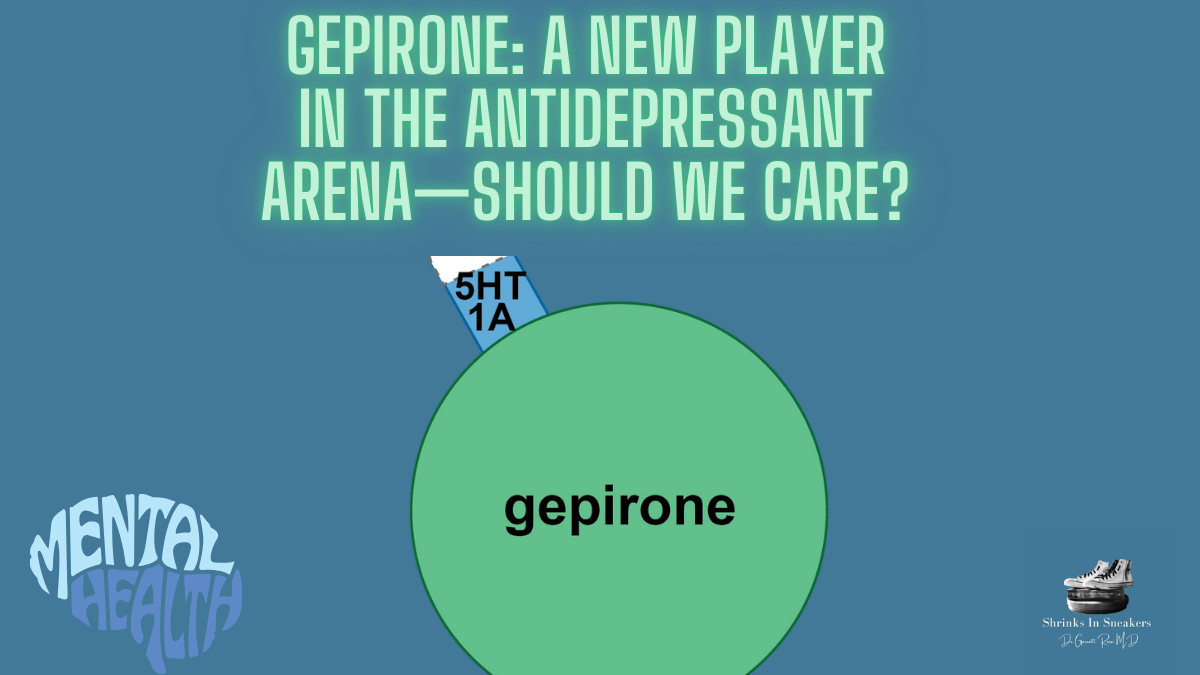
    Gepirone: A New Player in the Antidepressant Arena—Should We Care?

    Gepirone may have flown under the radar for many of us. I’ll admit, it didn’t generate much excitement on my end. However, it recently crossed a significant milestone: FDA approval as an antidepressant. But let’s not overlook its rocky path to getting there—a journey marked by hurdles and setbacks.

    The road to FDA approval for gepirone was anything but smooth. Its initial development began decades ago, but the approval process faced repeated delays and rejections. Questions about efficacy and study designs kept it in limbo for years. What ultimately got it across the finish line was a re-analysis of data demonstrating robust effects in specific populations, particularly those with significant depressive symptoms. This serves as a reminder that persistence and rigorous data reassessment can change the trajectory for medications once thought to have limited potential.

    Now that gepirone is finally available, the big question is: should we care? If so, where does it fit into our treatment algorithms for adult depression?

    With a mechanism targeting the serotonin 1A receptor as a partial agonist, gepirone offers a unique profile compared to SSRIs, SNRIs, and other standard antidepressants. Its anxiolytic effects may make it particularly appealing for patients with co-occurring anxiety. However, like any medication, it isn’t without its downsides.

    Potential side effects include nausea, dizziness, fatigue, and headache. These are generally mild, but it’s important to monitor for tolerability in sensitive patients. Gepirone also carries warnings about potential interactions with other serotonergic agents, raising the risk of serotonin syndrome. While this risk isn’t unique to gepirone, it’s a critical point to keep in mind when integrating it into a treatment plan.

    So, where does gepirone fit? Will it serve as a first-line option for certain patients, or will it find a niche role for those with specific tolerability issues or suboptimal responses to other antidepressants?

    I’d love to hear your thoughts. Is gepirone a tool worth adding to our arsenal, or just another option that might not shift the needle much in clinical practice?

  • Authenticity & Purpose: The Keys to a Fulfilling Life

    Authenticity & Purpose: The Keys to a Fulfilling Life

    In 2024, I experienced an ego death. Everything I thought I was—and everything I believed I was destined to become—came crashing down. It forced me to confront some deeply uncomfortable questions: Was I doing things for the right reasons, or was I driven by ego and a perfectionist need for validation? Like so many of us, I was chasing that elusive prize at the end of the rainbow, convinced it would finally make me feel whole.

    What I know now, without a doubt, is that much of what I was pursuing wasn’t rooted in authenticity. It wasn’t going to make me happy or satisfy my hunger for “the next big thing.” I also realized how misguided I had been in thinking I had it all figured out.

    As I approach the holiday season and the new year, I’m making two promises to myself:

    1. I will do things only for the right reasons and say no to anything that doesn’t align with my values or bring genuine fulfillment.
    2. I will love myself the way I’ve always deserved to be loved.

    No house, car, or professional accomplishment can replace true self-love. Those things might be nice, but they aren’t what makes life beautiful. The real beauty comes from within.

    Happy Holidays

    Dr. G

  • FDA Approves Zepbound for Obstructive Sleep Apnea

    FDA Approves Zepbound for Obstructive Sleep Apnea

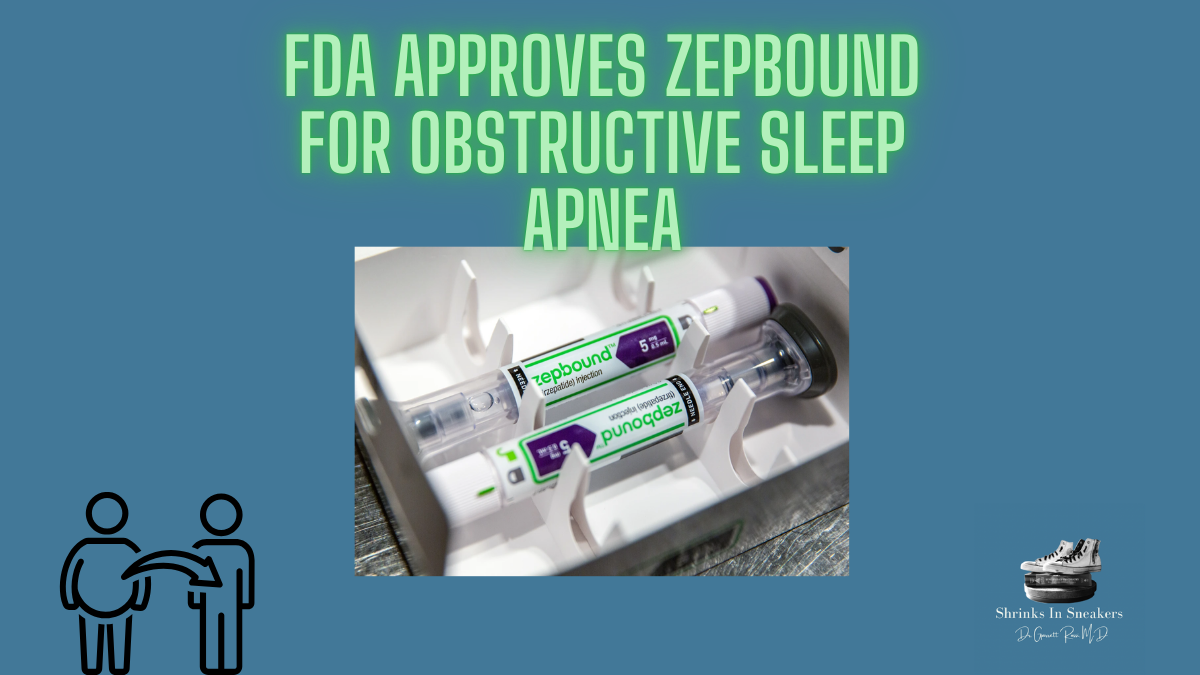
    The U.S. Food and Drug Administration (FDA) has approved Eli Lilly’s Zepbound (tirzepatide) as the first prescription medication for treating moderate to severe obstructive sleep apnea (OSA) in adults with obesity.

    OSA is a sleep disorder characterized by repeated interruptions in breathing during sleep, leading to reduced oxygen levels and disrupted rest. Traditionally, treatments have focused on lifestyle changes and the use of devices like Continuous Positive Airway Pressure (CPAP) machines. Zepbound offers a pharmacological alternative by addressing the condition’s underlying factors, particularly excess weight, which is a significant risk factor for OSA.

    Zepbound is administered via subcutaneous injection and is also approved for weight management in adults with obesity. Its dual benefits in weight reduction and OSA treatment position it as a valuable option for individuals struggling with both conditions.

    The FDA’s approval of Zepbound marks a significant advancement in the treatment of OSA, providing a new therapeutic option for patients and healthcare providers.

  • APA Updates Guidance on Borderline Personality Disorder: What Clinicians Need to Know

    APA Updates Guidance on Borderline Personality Disorder: What Clinicians Need to Know

    Borderline Personality Disorder (BPD) is one of the most misunderstood and challenging conditions in psychiatric practice. It’s a topic I’m particularly passionate about, as patients with BPD are frequently misdiagnosed, and many clinicians hesitate to assign the diagnosis due to stigma or uncertainty. This reluctance often leads to suboptimal care, including the overuse of multiple medication classes without clear benefit. In response to these challenges, the American Psychiatric Association (APA) has recently updated its guidelines on BPD, providing a more comprehensive framework to enhance diagnosis and treatment. This update represents a significant step forward in improving care for a condition that has long been underserved.

    1. Diagnosis and Early Detection

    The updated guidance emphasizes the importance of early identification of BPD symptoms, particularly in adolescence and early adulthood. It encourages clinicians to use structured diagnostic tools alongside clinical interviews to reduce misdiagnosis and stigma.

    2. Therapeutic Approaches

    Evidence-based psychotherapies remain the cornerstone of BPD treatment. Dialectical Behavior Therapy (DBT) continues to hold strong empirical support, but the APA has expanded its recommendations to include:

    • Mentalization-Based Therapy (MBT)
    • Transference-Focused Psychotherapy (TFP)
    • Good Psychiatric Management (GPM)

    The guidance highlights the importance of tailoring therapy to individual patient needs, with a focus on building trust and managing emotional dysregulation.

    3. Medications

    While no medications are FDA-approved specifically for BPD, the APA guidance underscores the role of pharmacotherapy in managing co-occurring conditions such as mood disorders, anxiety, and impulsivity. Clinicians are advised to take a cautious and evidence-based approach to prescribing, avoiding polypharmacy whenever possible.

    4. Stigma Reduction and Patient Advocacy

    The guidance calls for a shift in how clinicians, patients, and society perceive BPD. Educating patients and their families about the condition, normalizing treatment, and advocating for systemic support are crucial components.

    5. Integrative and Community-Based Care

    The APA emphasizes the need for multidisciplinary care teams and integrating care across settings. This includes collaboration with primary care providers, social services, and crisis intervention programs to ensure continuity of care.

    6. Focus on Outcomes and Recovery

    The updated guidance reflects a recovery-oriented approach, focusing on helping patients achieve long-term functional improvement and quality of life. Measuring treatment outcomes and adapting care plans accordingly are encouraged practices.

    Conclusion

    These updates highlight the APA’s commitment to improving outcomes for individuals living with BPD. By promoting evidence-based practices, reducing stigma, and advocating for patient-centered care, clinicians are better equipped to address the challenges associated with this condition.

    What do you think about these changes? How do you see them impacting your practice or care delivery?

  • ADHD in Later Life: A Surge in Diagnoses Among Older Americans

    ADHD in Later Life: A Surge in Diagnoses Among Older Americans

    🤣 What a perfect time for this article considering ADHD is my topic of choice this week.

    🧠 A nuanced debate surrounds the rise in ADHD diagnoses, particularly among adults. While underdiagnosis and increased awareness contribute to this trend, it’s not the sole explanation. ADHD, often linked to developmental delays, may require continued medication into adulthood for some individuals with persistent symptoms

    ➡️ However, the necessity for lifelong medication in all or most cases is questionable

    ➡️ The surge in first-time ADHD diagnoses among adults aged 30’s-40’s, often without prior documented history, raises important questions

    💡 While some cases may have been previously overlooked, it’s crucial to consider:

    ⚡ Co-occurring disorders like depression and anxiety, which can cause similar cognitive issues

    ⚡ Societal factors: Increasing demands for productivity and competitiveness in modern society

    ⚡ The potential misuse of performance-enhancing drugs in high-pressure environments

    💡 It’s essential to approach each case individually, considering both the benefits of treatment and the risks of overdiagnosis. A comprehensive evaluation, including assessment of co-existing conditions and life circumstances, is crucial for accurate diagnosis and appropriate treatment plans

    Link to NYT article: https://www.nytimes.com/2024/12/11/well/mind/adhd-diagnosis-older-middle-age.html

    #ADHD #ADHDawarness #ADHDtreatment #ADHDtips #ADHDlife #mentalhealth #mentalhealthmatters #mentalhealthishealth #psychiatry #psychiatrist #doctor #stimulants #stimulantmedication

  • Improving ADHD Symptoms Without Medication

    Improving ADHD Symptoms Without Medication

    Medication is a cornerstone of ADHD management, but combining it with complementary strategies can significantly enhance focus, organization, and overall functioning. This post offers a high-level overview of these approaches, setting the stage for a series of actionable, in-depth posts later this week.

    1. Establish a Routine

    Creating a structured daily routine provides predictability and reduces distractions. Use planners, calendars, or apps to break your day into manageable chunks with clear priorities.

    2. Practice Mindfulness and Meditation

    Mindfulness can improve attention regulation and emotional control. Apps like Headspace or Calm offer guided practices tailored to ADHD, helping you build focus over time.

    3. Exercise Regularly

    Aerobic exercise boosts dopamine and norepinephrine levels, enhancing focus and motivation. Aim for 30-60 minutes of activity daily, whether it’s running, swimming, or dancing.

    4. Improve Sleep Hygiene

    ADHD often disrupts sleep, which worsens symptoms. Establish a consistent bedtime, avoid screens before bed, and create a calming nighttime routine to promote better rest.

    5. Optimize Nutrition

    Balanced meals with protein, complex carbs, and omega-3 fatty acids can stabilize energy levels and improve concentration. Consider foods like salmon, eggs, nuts, and leafy greens.

    6. Break Tasks into Smaller Steps

    Large tasks can feel overwhelming. Break them down into smaller, manageable steps, and use tools like timers to focus on one step at a time (e.g., the Pomodoro Technique).

    7. Minimize Distractions

    Create an ADHD-friendly environment by limiting noise, clutter, and interruptions. Noise-canceling headphones and tidy workspaces can significantly enhance focus.

    8. Cognitive Behavioral Therapy (CBT)

    CBT can help you develop coping strategies for ADHD-related challenges, such as procrastination, impulsivity, and emotional regulation.

    9. Leverage ADHD-Friendly Technology

    Apps like Todoist, Notion, or Forest can assist with time management, task prioritization, and focus-building. Explore tools that align with your personal workflow.

    10. Foster Strong Social Connections

    Supportive relationships with family, friends, or ADHD communities can provide motivation, accountability, and understanding, reducing feelings of isolation.

    By implementing these strategies, individuals with ADHD can enhance their quality of life, productivity, and emotional well-being. Remember, each person’s ADHD experience is unique, so experiment with different approaches to find what works best for you!

    What has worked for you or someone you know? Share your experiences below!

  • Hoarding Disorder: A Looming National Crisis?

    Hoarding Disorder: A Looming National Crisis?

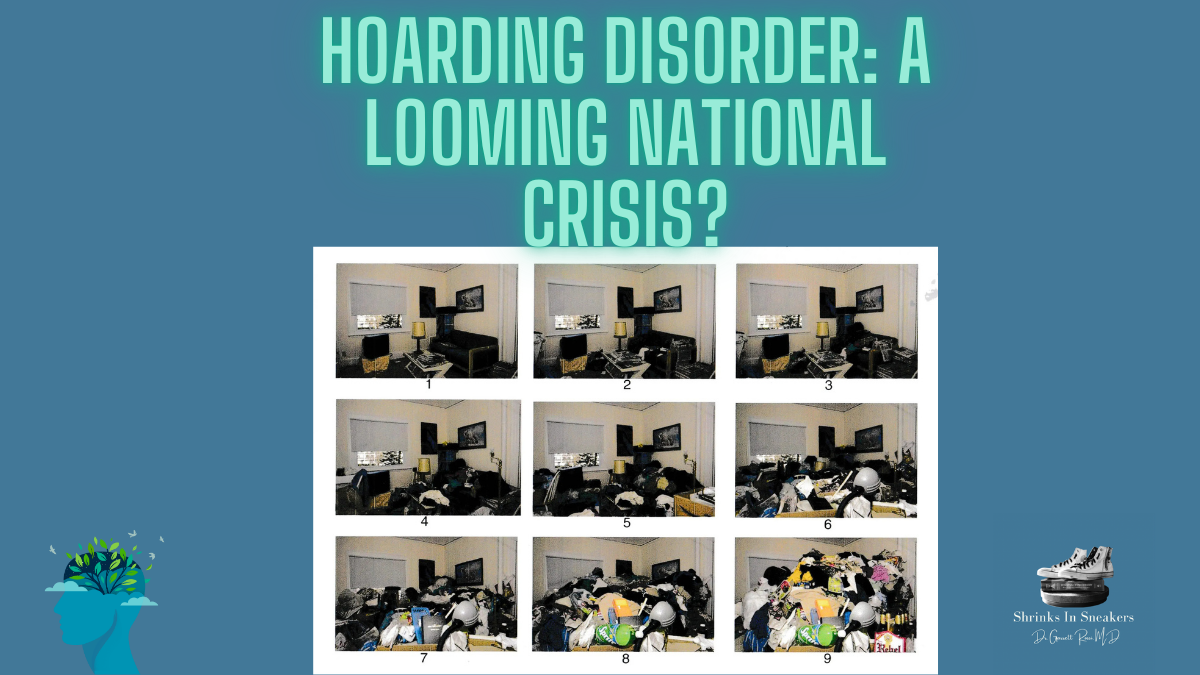
    A recent article on Medscape, Hoarding Disorder: A Looming National Crisis?, highlights the growing prevalence of hoarding disorder (HD) among older adults. While HD affects approximately 2% of the general population, studies suggest that prevalence may reach up to 6% among individuals over 70 years old.

    HD is characterized by persistent difficulty discarding possessions, even those with little to no monetary value. For individuals with HD, these items often provide a sense of security or serve as emotional reminders of the past. To outsiders, it’s difficult to understand why these possessions hold such deep significance, but for the person with HD, the items have profound sentimental value.

    Hoarding disorder is sometimes viewed as a subset of obsessive-compulsive disorder (OCD), but the overlap is not absolute. Many individuals with HD do not meet diagnostic criteria for OCD and often fail to respond to traditional OCD treatments. In my practice, I’ve come to conceptualize HD less as an extension of OCD and more as a personality-related condition influenced by environmental and psychological factors. For instance, many individuals with HD grew up in homes where similar behaviors were modeled. However, the precise causes of HD remain unclear.

    The consequences of HD are particularly concerning in older adults. The accumulation of clutter can pose significant safety risks, including fire hazards, tripping injuries, and even the potential for homelessness. These dangers were evident in a recent consult case where a medical team sought a psychiatric assessment of an elderly patient living in a severely cluttered home. Although the risks were undeniable, the individual did not meet criteria for psychiatric hospitalization. Even if hospitalization were an option, there is no FDA-approved treatment for HD at this time.

    The most evidence-based intervention we have for HD is cognitive-behavioral therapy (CBT), which requires sustained engagement over many weeks. Unfortunately, a key barrier is that many individuals with HD do not recognize the need for change or are reluctant to participate in therapy. This makes HD a uniquely challenging condition to address.

    Effective management of HD begins with education—helping patients understand the disorder, its risks, and the available treatment options. But education alone is not enough. We urgently need robust community support systems, including services to assist with clearing hazardous clutter and providing ongoing support to encourage treatment adherence.

    Inpatient psychiatric hospitalization, in my opinion, offers little benefit for HD. Instead, we need long-term, community-focused solutions. While policymakers often call for greater action to address mental health challenges, they frequently overlook the resource constraints faced by frontline providers. If we are to rise to this challenge, funding and systemic support must match the urgency of their rhetoric.

    HD is more than a personal struggle—it’s a public health issue with profound implications for individuals, families, and communities. As healthcare providers, we are ready to do more. Now, we need our leaders to step up and provide the resources to make that possible.

  • Buprenorphine and Psychosis: Unraveling the Risks of Abrupt Discontinuation

    Buprenorphine and Psychosis: Unraveling the Risks of Abrupt Discontinuation

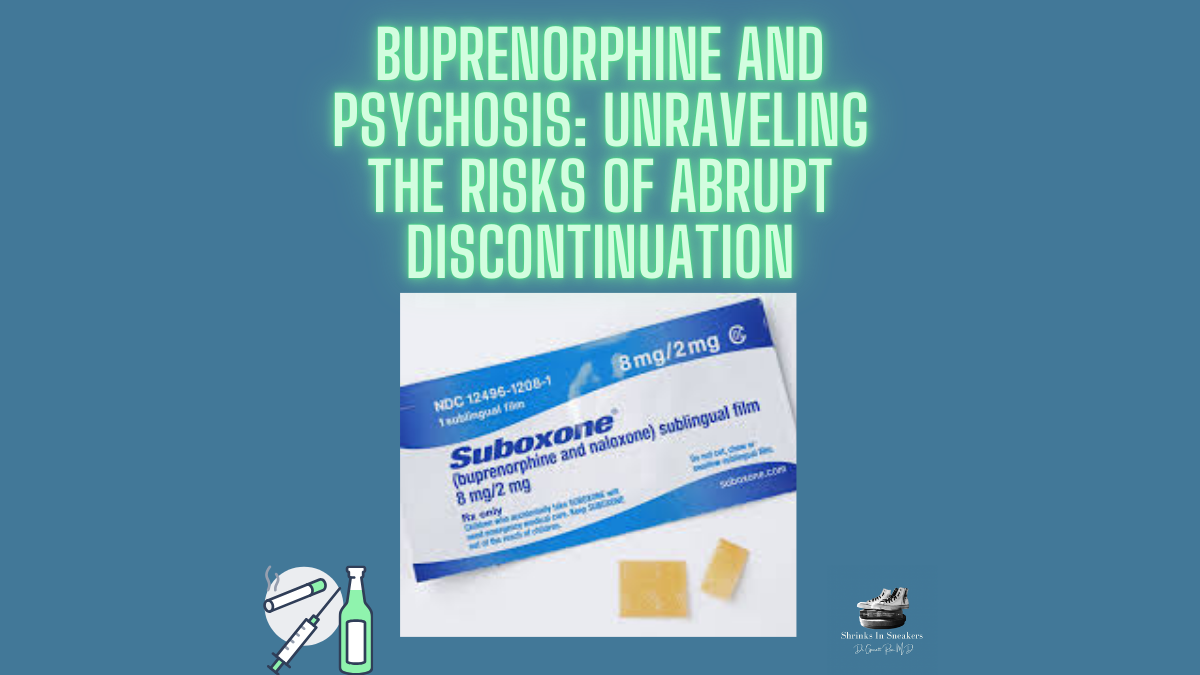
    This post is inspired by a real case from my practice involving a patient with no significant past psychiatric history but a strong history of substance use, including opioids and cocaine. The patient had been on buprenorphine maintenance therapy for several decades, providing stability in their recovery. However, following an abrupt discontinuation of buprenorphine, the patient developed acute psychotic symptoms. This case highlights an uncommon but important phenomenon clinicians should be aware of when managing buprenorphine discontinuation, especially in individuals with a history of substance use.

    Emerging evidence suggests that abrupt discontinuation of buprenorphine may induce psychosis in some individuals, though this appears to be a relatively uncommon occurrence.

    Documented Cases

    • New-onset psychotic symptoms have been reported after sudden cessation of buprenorphine in patients with no prior psychosis.
    • Common symptoms include auditory hallucinations, paranoid ideation, and delusions of reference.
    • Psychotic symptoms typically emerge within days to weeks after discontinuation.

    Potential Mechanisms

    1. Loss of buprenorphine’s antipsychotic effects through kappa-opioid receptor antagonism.
    2. Interaction between neurobiological vulnerabilities and the stress of withdrawal.
    3. Possible unmasking of latent psychotic disorders.

    Risk Factors

    • History of substance use.
    • Early adverse life events.
    • Underlying psychiatric conditions (e.g., bipolar disorder).

    Outcomes and Management

    • Symptoms may resolve in weeks to months, though some cases persist longer.
    • Reintroduction of buprenorphine has led to symptom remission in some cases, suggesting a causal relationship.
    • Gradual tapering of buprenorphine might mitigate this risk, though more research is needed.

    Clinical Implications

    Clinicians should remain vigilant when discontinuing buprenorphine, especially in individuals with risk factors for psychosis. A gradual tapering strategy is recommended to reduce potential risks, though further studies are necessary to guide best practices.

    Understanding this phenomenon highlights the importance of individualized care when managing buprenorphine discontinuation in vulnerable populations.

  • Establishing Routine in Bipolar Disorder: A Guide to Social Rhythm Therapy

    Establishing Routine in Bipolar Disorder: A Guide to Social Rhythm Therapy

    Bipolar disorder thrives on disruption, and life can quickly spiral when daily rhythms are inconsistent. Social Rhythm Therapy (SRT) is a powerful, evidence-based approach that helps stabilize mood by anchoring routines. Here’s how it works and why it matters:

    What is Social Rhythm Therapy?
    SRT focuses on regulating daily activities to stabilize the body’s internal clock (circadian rhythms). It combines behavioral strategies with insights into mood patterns, encouraging patients to establish predictable schedules for sleep, meals, social interactions, and exercise.

    Why Does It Work?
    Our biological clocks are sensitive to disruptions. Irregular sleep or eating patterns can trigger mood episodes in bipolar disorder. By synchronizing daily activities with natural rhythms, SRT reduces these disruptions, promoting emotional stability and resilience.

    Core Elements of SRT:

    1. Monitor Social Rhythms: Start by logging your daily activities to identify patterns and areas of inconsistency.
    2. Set Regular Sleep-Wake Times: Consistent sleep routines are the cornerstone of SRT. Aim to go to bed and wake up at the same time every day—even on weekends.
    3. Structure Key Activities: Schedule meals, exercise, and social time at consistent times.
    4. Track Moods: Pair activity tracking with mood journaling to understand how routines impact emotional states.
    5. Anticipate Disruptions: Plan ahead for potential schedule changes (e.g., travel or holidays) to minimize their effects.

    Practical Tips for Success:

    • Start Small: Introduce one new routine at a time to avoid feeling overwhelmed.
    • Enlist Support: Share your goals with friends or family who can help keep you accountable.
    • Be Flexible: Life happens—don’t strive for perfection, but prioritize getting back on track.
    • Combine with Other Treatments: SRT complements medications and psychotherapy, creating a well-rounded treatment plan.

    In my practice, I’ve seen patients experience fewer mood episodes and greater confidence in managing their disorder when they commit to SRT. Establishing a routine isn’t just about organization—it’s about reclaiming control and fostering stability in an unpredictable world.

    If you or someone you know is living with bipolar disorder, consider incorporating Social Rhythm Therapy into their care plan. Small changes can lead to significant improvements in mood and quality of life.