Tag: Doctor

  • What is Aphasia?

    What is Aphasia?

    Aphasia is an inability to comprehend or formulate language usually due to damage to specific brain regions responsible for these processes. 

    There are two important points here to note: 

    1. Aphasia is the consequence of another brain disorder such as stroke, brain tumor, traumatic brain injury, viral infections like HSV or neurovegetative process (think dementia here). 

    2. There are different types of aphasias, most notably they can be broken down into expressive and receptive aphasia

    To be diagnosed the person must have significant impairment in one or more of the following

    1. Auditory comprehension

    2. Verbal expression

    3. Reading and writing

    4. Functional communication

    About 2 million people are affected by this disorder in the U.S. and strokes account for most of the documented cases. 

    One of the most common presentations is anomic aphasias where individuals have word retrieval failures and cannot express the words they want to say (usually nouns and verbs). Some level of this is seen in all types of aphasia.

    There can be many other presentations including: 

    -inability to comprehend language 

    -inability to pronounce words

    -inability to speak spontaneously

    -inability to read 

    -inability to write 

    The two most common examples: 

    Receptive aphasia (Wernicke’s):

    This is a fluent aphasia where the person can speak in sentences but there is no meaning, unnecessary words, and possibly the creation of new words called neologisms. 

    -They have poor auditory and reading comprehension.

    -There is fluent but nonsensical written or oral expression.

    -Since thy do not comprehend language well they are often unaware of their mistakes. 

    -The area of the brain affected is well known and established it’s the left temporal lobe as indicated in the picture. 

    Expressive aphasia: Broca’s 

    -These individuals will speak in short, meaningful phrases with great effort. It will be noticeable how much effort they are putting into speaking. 

    -They are usually able to understand the speech of others and are aware of the difficulties they are having leading to frustration. 

    -The location of the brain injury is well established, damage to the frontal lobe causes this presentation 

    Primary progressive aphasia 

    -This is a form of dementia 

    -Characterized by gradual loss of language functioning while other cognitive domains such as personality and memory are mostly preserved 

    -It usually starts with sudden word finding difficulties and progresses to reduced ability to form grammatically correct sentences, and impaired comprehension 

  • Did I choose the Wrong Specialty?

    Did I choose the Wrong Specialty?

    Oh, wait a minute I love everything about my work. In fact, I spend a great deal of time doing things outside of clinical practice related to psychiatry. Things like writing on this blog. I love doing therapy and even started psychoanalytic training. I even like being able to prescribe medications and have done enough clinical work and reading to know they are effective. Basically, this seems like the right place for me, to think I initially thought I wanted to be a surgeon. 

    When I entered college, I treated it like high school and never thought medicine had a place for me. I was actually in training to be a police officer and figured that would be a good enough life. I started in community college and by chance took an introductory biology course with a professor who I clicked with right away. As I moved on from the community college setting, I knew I had to decide, did I want to do basic science research, or was I going to continue on the premedical path with intentions of being a doctor. This was all very shocking for me, a person who barely graduated high school, and scored almost as low as you can on the SAT. I really did not understand anything about getting into medical school, and after transferring to a small college near my hometown that lacked a true premedical curriculum, I was defiantly at a disadvantage. I then dabbled in the possibility of studying naturopathic medicine but was convinced by my research supervisor that a traditional medical school would offer me more opportunities and I could still do many of the lifestyle medicine things I wanted to. Given my lack of understanding about building a medical school application, I did not get any offers to attend a U.S. MD program. At least I had gained acceptance to St. George’s University, and I was determined to prove every U.S. school wrong about their assessment of my abilities. 

    I honestly had no idea psychiatry would be my choice of specialty. In the whole 2 weeks of teaching, I received in the first two years of medical school about the subject, it did not seem very appealing. However, I was sold after my third-year clerkship in psychiatry and have since dedicated my life to the field. 

    So, what does all this have to do with making the wrong choice? Well, if you truly understand psychiatry you will know that what passes as psychiatric care these days is far from ideal. I never thought the majority of my time would be reviewing screening scales, asking about side effects of medication, and writing notes mostly filled with legal jargon. I feel like I’m longing for the good old days when you could spend an hour with a patient and really understand what the problem is. Sometimes I feel stuck in this situation, but I always remember I could have been a surgeon. 

  • Attention Deficit Hyperactivity Disorder (ADHD)

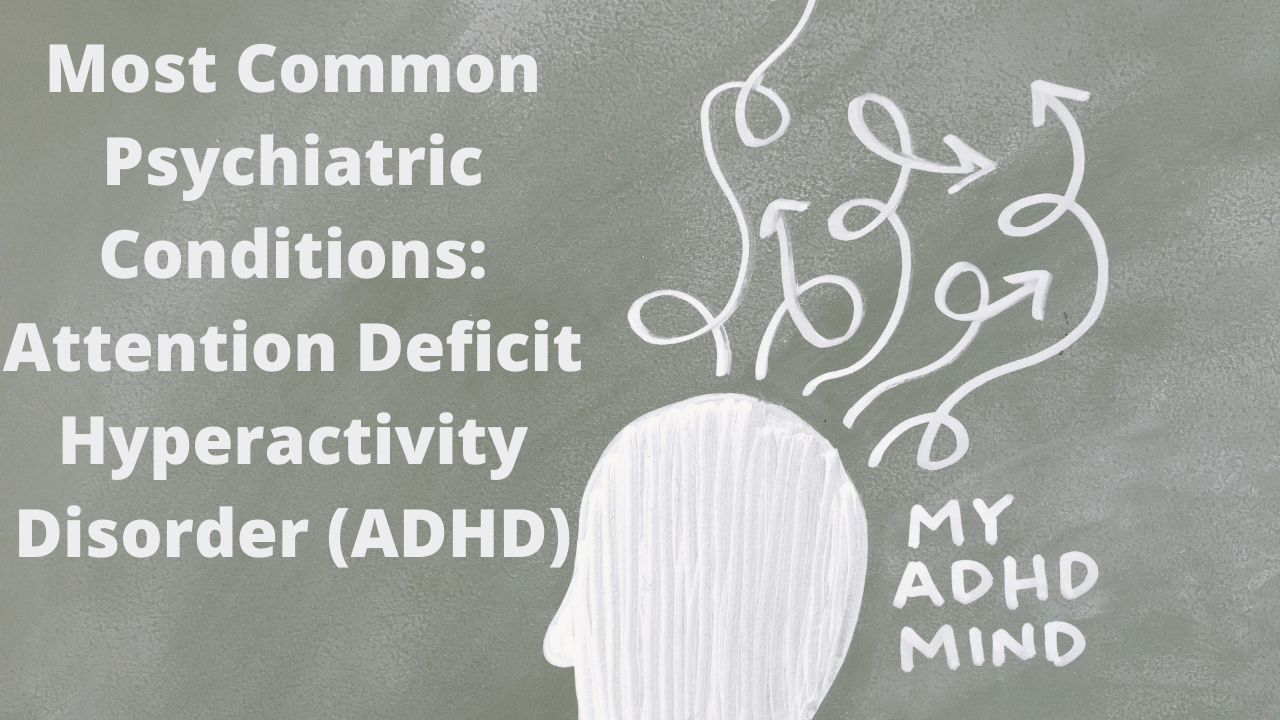
    Attention Deficit Hyperactivity Disorder (ADHD)

    Diagnosis

    -ADHD is the most common physiocratic disorder in children. 

    -Its prevalence is 5-11% in school-aged children 

    -It often presents with a classic triad of inattention, hyperactivity, and impulsivity 

    – However, it can present as mixed, or primarily inattentive or hyperactive 

    -Symptoms must include at least 6 signs of inattention and/or six signs of hyperactivity/impulsivity for 6 months. 

    -For patients 17 years and older on 5 symptoms are required 

    Symptoms of inattention include

    -failure to pay close attention 

    -difficulty sustaining attention on tasks or activities 

    -failure to listen when spoken to 

    -difficulty organizing tasks 

    -avoidance of activities that require mental effort 

    -losing things necessary for tasks or activities 

    -distractibility and forgetfulness in daily activities 

    Symptoms of hyperactivity

    -fidgeting with hands or feet 

    -inability to sit still 

    -running around when not appropriate 

    -difficulty engaging quietly in activities 

    -feeling on the go or driven by a motor 

    -talking excessively 

    Symptoms of Impulsivity

    -answering questions before they are completely asked 

    -having trouble waiting ones turn 

    -interrupting others 

    The pattern of behavior must be more severe and occur more often than in other children of the same age. The symptoms of the disorder must be present before the age of 12 years. The diagnosis can be made after 12 years of age but there must be evidence of symptoms before the age of 12. The last important point is the symptoms must occur in two different settings (e.g., home and school). 

    Many patients may be familiar with screening scales like the Vanderbilt or Conners which can be used to help confirm the diagnosis usually one is completed by the parent the other by a teacher. 

  • Most Commonly Prescribed Psychiatric Medications: Desvenlafaxine/Pristiq

    Most Commonly Prescribed Psychiatric Medications: Desvenlafaxine/Pristiq

    Desvenlafaxine is the active metabolite O-desmethylvenlafaxine (ODV) of venlafaxine and is formed as a result of CYP450 2D6. It shares many of the same properties as venlafaxine. 

    • It’s FDA approved for Major depressive disorder 
    • Mechanism of action: This medication will boost the neurotransmitters serotonin, norepinephrine, and dopamine. It does so by blocking the serotonin reuptake pump, the norepinephrine reuptake pump, and increases dopamine in the frontal cortex because dopamine is largely inactivated by the norepinephrine reuptake pump in the frontal cortex. 
    • The dosing is a little easier than venlafaxine. You can start with 50 mg/day with a maximum dose of 100 mg/day. In some cases, doses of 400 mg/day have been shown to be effective but there is increased risk for side effects at higher doses. 
    • Desvenlafaxine is more potent at the serotonin transporter but has greater norepinephrine transporter inhibition relative to venlafaxine. This is one advantage along with lower does required to achieve that inhibition. 
    • These tablets should not be broken, crushed, or chewed, it will alter the controlled release.
    • It has some of the same issues as venlafaxine when it comes to withdrawal or discontinuation. It can be difficult to taper off and may require starting fluoxetine prior to tapering. 
    • Blood pressure must be monitored regularly during treatment.
    • Most common side effects include: nausea (most common 12%), dizziness (8%), increased sweating (6%), constipation (5%).
    • Other side effects: decreased appetite, decreased libido, erectile dysfunction, abnormal dreams, tinnitus, vertigo 
    • I’ve had many questions about combining this with mirtazapine. It can be combined with mirtazapine. Trazodone and bupropion are other popular medications to combine with desvenlafaxine if monotherapy does not result in remission. 
    • Desvenlafaxine offers some benefits over venlafaxine including more consistent plasma levels due to lack of metabolism by CYP 2D6, it has more potent action at the norepinephrine transporter than venlafaxine. It may be a better option if you are targeting the norepinephrine system. 
  • Most Commonly Prescribed Psychiatric Medications: Trazodone

    Most Commonly Prescribed Psychiatric Medications: Trazodone

    • The only FDA approved use of trazodone is for depression. However, this medication is rarely prescribed for this purpose. The higher dose requirements and lower affinity for the serotonin transporter allows the side effect profile to make the medication intolerable for most patients. 
    • The most common way it’s used is as an adjunctive therapy for sleep disturbances secondary to depression. 
    • The mechanism of action is blockade of serotonin 2A receptors and blockade of the serotonin reuptake pump. 
    • Dosing: To take advantage of the sedating properties you want to use a lower dose. A dose of 25-150 mg/night is appropriate. For depression the dose must be much higher anywhere from 150-600 mg/day 
    • For depression start with 150 mg/day in divided doses (short half-life) and increase every 3-4 days by 50 mg/day as needed to a target dose of 400 mg/day. For insomnia start with 25-50 mg/night and increase as tolerated to a target dose of 50-150 mg/night. That same target range of 50-150 mg/day can be used if trazodone is being added as an adjunct therapy for depression. 
    • It’s very important to start low and go slow when increasing the dose. Patients can have carryover sedation, ataxia, and intoxicated like feeling if titrated too rapidly. 
    • Do not stop the medication prematurely. In difficult to treat patients’ higher doses may be required 150-300 mg or up to 600 mg in some cases. 
    • It’s ideal to try and limit dosing to once nightly at bedtime to avoid daytime sedation 
    • Notable Side effects: Nausea, vomiting, constipation, dry mouth, dizziness, sedation, fatigue, headaches, life threatening side effects include priapism (1 in 8,000 men), seizures, activation of suicidal ideation in patients under 24 years of age.
    • The onset of therapeutic actions for insomnia should be immediate once an adequate dose is reached. There is no evidence of tolerance, abuse potential, or withdrawal
    • Therapeutic action for depression is delayed by 2-4 weeks if it’s not working by 6-8 weeks consider a dosage increase or switch depending on dosage reached 
    • Trazodone offers a nonaddictive option for insomnia treatment and can be used as an adjunct for depression treatment. It’s less likely than other antidepressants to cause sexual dysfunction. It may be less likely to precipitate hypomania or mania and may have some benefit for treating agitation and aggression associated with dementia. 
  • How to Sleep Better: Prescriptions From Your Psychiatrist

    How to Sleep Better: Prescriptions From Your Psychiatrist

    I will talk about sedative and hypnotic medications in future videos, but I want to start a discussion on sleep with sleep hygiene. I recommend all my patients start here and follow this process at least 90% of the time prior to talking about medication. I find most patients are not doing these things and if they are it’s not consistent enough to see a noticeable improvement. 

    1. Stick to a routine by waking up at approximately the same time each day. Do this for seven days, and do not alter the time on weekends. This will help you gradually set your internal clock. You have more control over your wake times than your sleep time as you may not feel tired. Try to avoid taking a nap during the day even on nights where you do not get much sleep.
    2. Avoid all caffeine after 12 PM, the effects of caffeine are long lasting and can interrupt sleep. If you can completely stop caffeine that would be best, but at the very least minimize consumption before 12 PM. 
    3. Try to exercise daily (seven days per week), preferably early in the day and not too close to bedtime. Start with 15 minutes per day and gradually work your way up. A combination of resistance training and cardiovascular training is best.
    4. Stop doing active mental work at least one hour before bed. 
    5. Avoid watching TV, using a phone, laptop, or tablet before bed. The blue light from screens has been shown to worsen sleep. The bed should be used for sleep and sex only. 
    6. Create a bedtime ritual to follow every night before bed, warm bath, mindfulness exercise, gratitude journal, reading, or listening to music. 
    7. Do not use alcohol as a way to promote sleep. Alcohol negatively impacts sleep architecture and the sleep you do get will be unsatisfying. 
    8. The bedroom should be dark, quiet, and the temperature should be cool but not cold around 65 degrees is ideal. Consider blackout curtains, a fan to cool the room, and ear plugs to facilitate these conditions. 
    9. Restrict Food and drink 2-3 hours prior to bedtime. This will reduce the chances of sleep being interrupted to use the bathroom.
    10. If you have any pain, take appropriate pain medications prior to bed. 
  • Lifestyle Psychiatry and the Gut Microbiome

    Lifestyle Psychiatry and the Gut Microbiome

    • The gut microbiome consists mostly of bacteria and that is largely the portion of the microbiome we are focusing on (fungi and viruses exist but their function is largely unknown) 
    • Communication pathways exist between the microbiota-gut-and brain. 
    • Multiple mechanisms exist that allow gut microbiota to signal to the brain and control physiological processes. 
    • These include release of gut peptides from enteroendocrine cells which activate receptors of the immune system and vagus terminals in the gut. 
    • Studies indicate that these bacteria can manufacture and secrete essential neurochemicals including serotonin, dopamine, NE, GABA, and acetylcholine 
    • Depression and anxiety have been linked to a less well diversified gut microbiome.
    • What can help diversify the gut microbiome? Diet, processed food, sugar, saturated fats, and red meat. Medication can also alter the gut microbiome, a good example is oral antibiotics used to treat an acute infection, sleep, exercise. Sounds a lot like a healthy lifestyle will get you the microbiome you need for optimal mental health. 
    • However, if you want a treatment there have been several studies that looked at fecal transplant to treat psychiatric disorders. Fecal transplants are much easier these days and now there is a capsule version that you take orally. There is not enough data to recommend this as a practical treatment and if the patient goes back to eating a poor diet, sleeping poorly, not exercising then the gut microbiome will revert after the transplant. 
    • What are the practical things you can do? Stop eating processed food, sugar, and red meat. Increase your fiber intake and select a diet like the Mediterranean diet or a plant based whole food diet that will provide those prebiotics. You could supplement with a probiotic but most of what you need can be had from a good diet alone and I think it’s far better to change the diet then to try using supplements to treat a poor diet. Fermented products like kimchi, kombucha and sauerkraut are good sources of live bacteria.
    • If you choose to take a probiotic make sure it’s a quality, 3rd party tested product. 
    • Increase aerobic activity, I think if you goal is overall general health and you have limitted time, I think aerobic activity is a better bang for your buck. 
    • The way I believe you get and keep a healthy gut microbiome is through lifestyle modification. Improving your diet, exercise, and sleep is a good place to start. If you want to supplement with food products like kimchi or kombucha, go for it. I do not believe there is enough evidence to support a probiotic supplement for psychiatric disorders at this point, but if you want to spend $30 or more per month on a product if it’s a quality one that’s fine. Remember you cannot supplement away a bad diet. 
  • Psychiatrists Are More Than Just Prescribers

    Psychiatrists Are More Than Just Prescribers

    Introduction:

    I get a lot of comments that go something like this “All psychiatrists do is prescribe medications.” Naturally, people are shocked when I talk about nutritional psychiatry, lifestyle modification, or the value of psychotherapy. I cover a lot of medication information on social media because there is significant confusion, misinformation, and a general benefit for patients to know more about the medications they routinely use. 

    While medication management is a substantial portion of the work most psychiatrists do it’s not the only things we do. 

    Psychotherapy

    Most psychiatrists are well trained in at least one type of psychotherapy. The most common ones include cognitive behavioral therapy, interpersonal therapy, and motivational interviewing. Some are trained extensively in psychoanalysis which usually requires a 5-year commitment and engagement in psychoanalysis as a patient.

    Procedures

    Many psychiatrists offer procedure-based interventions such as electroconvulsive therapy (ECT), and trans cranial magnetic stimulation (TMS). We may also consult on cases of vagus nerve stimulation or deep brain stimulation used to treat severe depression. 

    Neurological Disorders

    As a psychiatrist you are trained to handle some of the common neurological disorders (e.g. migraine). One third of our board examination is focused on neurological disease. In rural parts of the United States sometimes there is no one else to treat these disorders and the responsibility falls to psychiatry. 

    Medical Disorders

    Most psychiatrists can treat things like hypertension or hypothyroidism. Many make the choice not to if the patient has a primary care physician. Like the treatment of neurological disorders sometimes there is no choice, and a psychiatrist will need to treat the medical condition. 

    Social Work

    Not everyone is lucky enough to have designated social workers so they can focus exclusively on the treatment of patients. We all know how important social determinates of mental health are, and sometimes altering these circumstances is the responsibility of the psychiatrist. 

  • Introducing Shrinks In Sneakers on YouTube

    Introducing Shrinks In Sneakers on YouTube

    I’ve done a soft rollout of the Shrinks In Sneakers YouTube channel over the past several months. I think I’m finally comfortable introducing it on the blog. I made the decision to start making videos because I can create content at a more rapid rate, and I can connect with the viewer in a more personal and intimate way. Please subscribe to the channel for updates. If you have specific topics you want covered, or have questions about existing content please comment. I will try to answer all questions and continue creating engaging content based on your interests. 

    Cheers,

    Dr. G

    Link to YouTube Channel

    https://www.youtube.com/channel/UCaaywi6nWB4zzpqBCMvxbsA

  • Medication Side Effects: Doctor my mouth is a little dry

    Medication Side Effects: Doctor my mouth is a little dry

    Regular Dental Care and Oral Hygiene

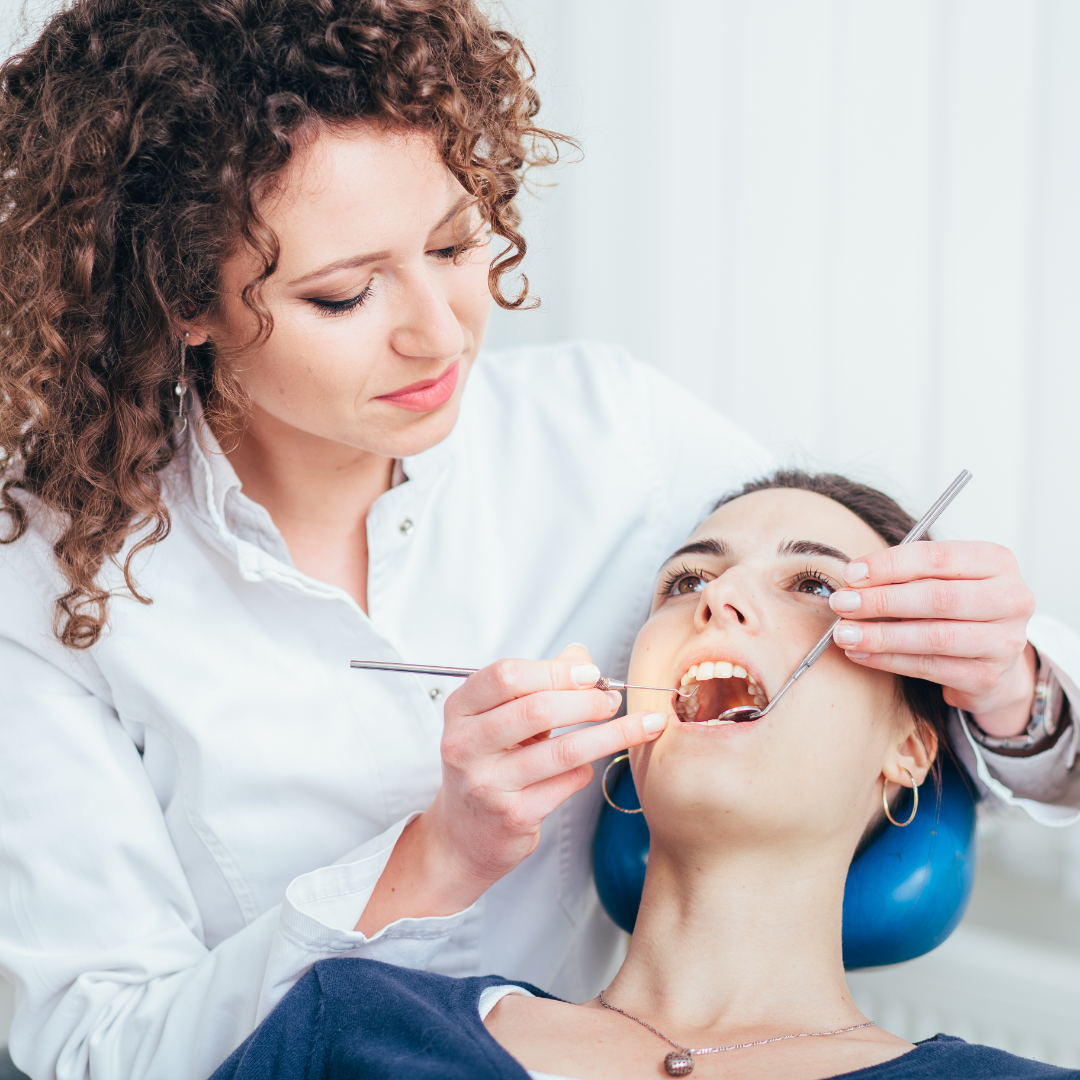
    Dry mouth is another common side effect from psychiatric medication. Patients on psychiatric medication often have poor dental care and poor dental outcomes. There is increased incidence of dental caries and oral ulcers in this population. This patient population is also three times more likely to lose all their teeth. Let that sink in for a moment. Now some of this is related to not following the recommended dental hygiene guidelines such as regular cleanings at least every 6-months. Thus, this is the first step in the process. Ensure the patient first has a dentist, and second be sure they are making regular 6-month appointments, and if they have issues with dental health, they should be going for cleanings as often as every 3 months. Oral hygiene is the foundation for the remainder of the interventions.

    Gum, Candy, and Pilocarpine

    Most patients are told to carry a bottle of water around and take frequent sips throughout the day. This does not work. It provides temporary relief, and does not address the underlying issue. You can educate the patient about drinking more water while eating which can help facilitate the swallowing process especially when dry mouth is an issue. Carrying a cup of ice can be helpful but is not convenient. What I prefer is the use of sugarless gum or candy which can be easily carried and chewed as needed. Studies have demonstrated that xylitol containing gum can reduce the levels of Mutans streptococci and lactobacilli in saliva and plaque. This has the potential to reduce the incidence of dental caries, and is an inexpensive option for most patients. I will also recommend as a second line using a mouth wash for dry mouth such as Biotene. If these interventions are not effective a medication to stimulate saliva production such as pilocarpine. In many cases pilocarpine eye drops which act locally is a better option than a medication that acts systemically. 

    Final Words

    Dry mouth is a common side effect patent’s experience but may not always bring to the clinician’s attention. There are interventions to treat this side effect that range from simple interventions like xylitol containing gum to pharmacological interventions such as pilocarpine eye drops. Most patients will experience relief with the above treatments. This highlights the importance of asking about specific side effects so they can be treated early and prevent long term Complications such as tooth loss.