Tag: Mental health advocate

  • ADHD in Later Life: A Surge in Diagnoses Among Older Americans

    ADHD in Later Life: A Surge in Diagnoses Among Older Americans

    🤣 What a perfect time for this article considering ADHD is my topic of choice this week.

    🧠 A nuanced debate surrounds the rise in ADHD diagnoses, particularly among adults. While underdiagnosis and increased awareness contribute to this trend, it’s not the sole explanation. ADHD, often linked to developmental delays, may require continued medication into adulthood for some individuals with persistent symptoms

    ➡️ However, the necessity for lifelong medication in all or most cases is questionable

    ➡️ The surge in first-time ADHD diagnoses among adults aged 30’s-40’s, often without prior documented history, raises important questions

    💡 While some cases may have been previously overlooked, it’s crucial to consider:

    ⚡ Co-occurring disorders like depression and anxiety, which can cause similar cognitive issues

    ⚡ Societal factors: Increasing demands for productivity and competitiveness in modern society

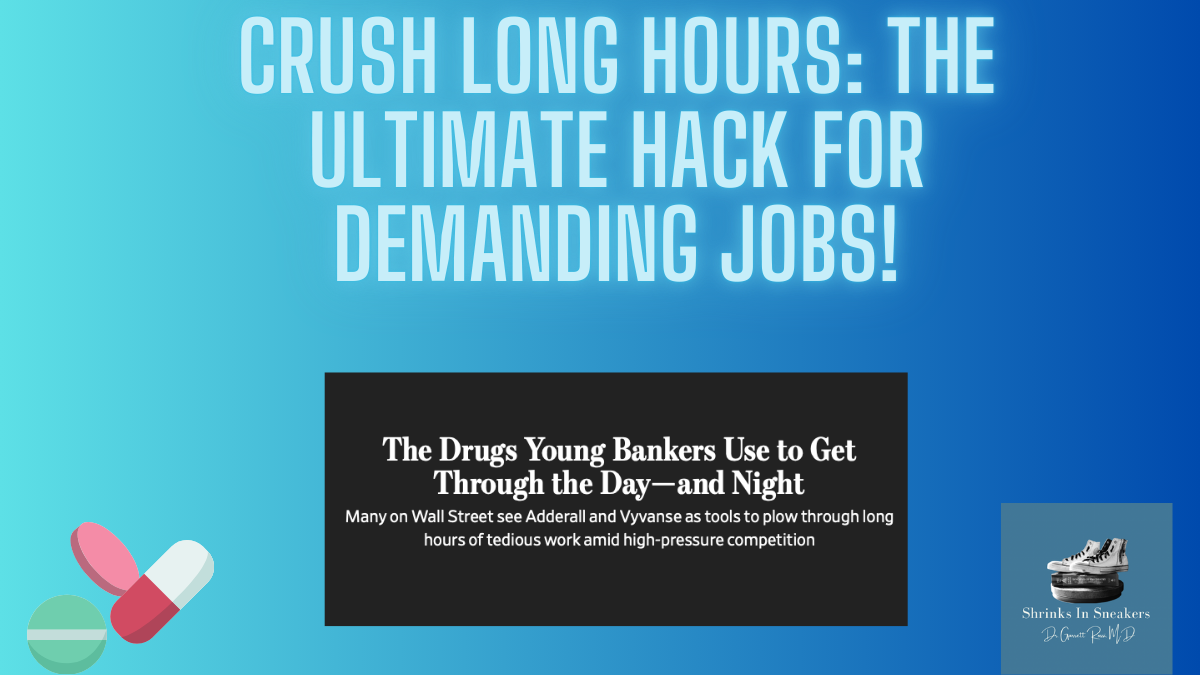
    ⚡ The potential misuse of performance-enhancing drugs in high-pressure environments

    💡 It’s essential to approach each case individually, considering both the benefits of treatment and the risks of overdiagnosis. A comprehensive evaluation, including assessment of co-existing conditions and life circumstances, is crucial for accurate diagnosis and appropriate treatment plans

    Link to NYT article: https://www.nytimes.com/2024/12/11/well/mind/adhd-diagnosis-older-middle-age.html

    #ADHD #ADHDawarness #ADHDtreatment #ADHDtips #ADHDlife #mentalhealth #mentalhealthmatters #mentalhealthishealth #psychiatry #psychiatrist #doctor #stimulants #stimulantmedication

  • How to Create a Routine for ADHD: A Step-by-Step Guide

    How to Create a Routine for ADHD: A Step-by-Step Guide

    Creating a structured routine is one of the most effective ways to manage ADHD symptoms. The goal is to provide consistency and reduce decision fatigue, which can make daily tasks feel overwhelming.

    Step 1: Assess Your Current Habits

    • Track your time: Spend a few days writing down how you currently spend your time. Identify patterns, distractions, and areas where you struggle with productivity.
    • Note energy levels: Pay attention to when you feel most focused and energetic, as this will help in scheduling demanding tasks during peak times.

    Step 2: Define Your Priorities

    • Identify the most important activities in your day (e.g., work, exercise, family time).
    • Rank these priorities, so you focus on what truly matters and avoid overloading your schedule.

    Step 3: Break Down Your Day

    • Morning Routine: Start the day with consistent habits like making your bed, brushing your teeth, and eating breakfast. Keep it simple to reduce stress.
    • Work/School Blocks: Break tasks into smaller chunks with scheduled breaks. For example, use the Pomodoro Technique (25 minutes of focused work followed by a 5-minute break).
    • Afternoon Wind-Down: Use this time for less mentally taxing tasks like errands or light chores.
    • Evening Routine: Establish a calming routine to prepare for bed, such as reading, meditating, or journaling.

    Step 4: Use Visual Aids and Tools

    • Calendars/Planners: Write down your schedule. Use color-coding for different types of tasks (e.g., green for work, blue for leisure).
    • Digital Apps: Tools like Google Calendar, Todoist, or Notion can send reminders and help you stay organized.
    • Visual Timers: Use timers or clocks to track tasks and breaks visually.

    Step 5: Set Alarms and Reminders

    • Set alarms for key transitions (e.g., starting work, eating lunch, or ending the workday).
    • Use apps like Habitica or Forest to gamify task completion and make sticking to your routine more fun.

    Step 6: Build Flexibility into Your Routine

    ADHD often brings spontaneity or unexpected distractions.

    • Leave buffer time between tasks to account for delays.
    • Prioritize your top 3 tasks each day, so even if you deviate, the essentials get done.

    Step 7: Simplify Transitions

    Transitioning between activities can be challenging with ADHD.

    • Use auditory or visual cues to signal it’s time to switch tasks.
    • Prepare for the next activity in advance (e.g., set out clothes for the gym or prep your workspace for the next day).

    Step 8: Keep Your Environment ADHD-Friendly

    • Declutter regularly to minimize distractions.
    • Use bins, labels, or baskets to keep essentials easily accessible.

    Step 9: Reflect and Adjust

    • At the end of each day or week, review your routine. What worked? What didn’t?
    • Be flexible and tweak your schedule to fit your needs and energy levels.

    Step 10: Start Small and Build Gradually

    • Focus on one or two parts of your routine at first, like improving your morning habits.
    • Celebrate small wins to build confidence and motivation.

    Example Routine:

    Morning:

    • 7:00 AM: Wake up and drink water
    • 7:15 AM: Quick workout or stretching
    • 7:30 AM: Shower and get dressed
    • 7:45 AM: Eat breakfast and review the day

    Work/School Blocks:

    • 9:00 AM – 12:00 PM: Focused work (Pomodoro cycles)
    • 12:00 PM – 1:00 PM: Lunch and light activity
    • 1:00 PM – 4:00 PM: Afternoon tasks (easier or creative work)

    Evening:

    • 6:00 PM: Dinner
    • 7:00 PM: Relaxation (reading, hobbies)
    • 9:00 PM: Prep for tomorrow (pack bag, set clothes out)
    • 10:00 PM: Lights out

  • Improving ADHD Symptoms Without Medication

    Improving ADHD Symptoms Without Medication

    Medication is a cornerstone of ADHD management, but combining it with complementary strategies can significantly enhance focus, organization, and overall functioning. This post offers a high-level overview of these approaches, setting the stage for a series of actionable, in-depth posts later this week.

    1. Establish a Routine

    Creating a structured daily routine provides predictability and reduces distractions. Use planners, calendars, or apps to break your day into manageable chunks with clear priorities.

    2. Practice Mindfulness and Meditation

    Mindfulness can improve attention regulation and emotional control. Apps like Headspace or Calm offer guided practices tailored to ADHD, helping you build focus over time.

    3. Exercise Regularly

    Aerobic exercise boosts dopamine and norepinephrine levels, enhancing focus and motivation. Aim for 30-60 minutes of activity daily, whether it’s running, swimming, or dancing.

    4. Improve Sleep Hygiene

    ADHD often disrupts sleep, which worsens symptoms. Establish a consistent bedtime, avoid screens before bed, and create a calming nighttime routine to promote better rest.

    5. Optimize Nutrition

    Balanced meals with protein, complex carbs, and omega-3 fatty acids can stabilize energy levels and improve concentration. Consider foods like salmon, eggs, nuts, and leafy greens.

    6. Break Tasks into Smaller Steps

    Large tasks can feel overwhelming. Break them down into smaller, manageable steps, and use tools like timers to focus on one step at a time (e.g., the Pomodoro Technique).

    7. Minimize Distractions

    Create an ADHD-friendly environment by limiting noise, clutter, and interruptions. Noise-canceling headphones and tidy workspaces can significantly enhance focus.

    8. Cognitive Behavioral Therapy (CBT)

    CBT can help you develop coping strategies for ADHD-related challenges, such as procrastination, impulsivity, and emotional regulation.

    9. Leverage ADHD-Friendly Technology

    Apps like Todoist, Notion, or Forest can assist with time management, task prioritization, and focus-building. Explore tools that align with your personal workflow.

    10. Foster Strong Social Connections

    Supportive relationships with family, friends, or ADHD communities can provide motivation, accountability, and understanding, reducing feelings of isolation.

    By implementing these strategies, individuals with ADHD can enhance their quality of life, productivity, and emotional well-being. Remember, each person’s ADHD experience is unique, so experiment with different approaches to find what works best for you!

    What has worked for you or someone you know? Share your experiences below!

  • Hoarding Disorder: A Looming National Crisis?

    Hoarding Disorder: A Looming National Crisis?

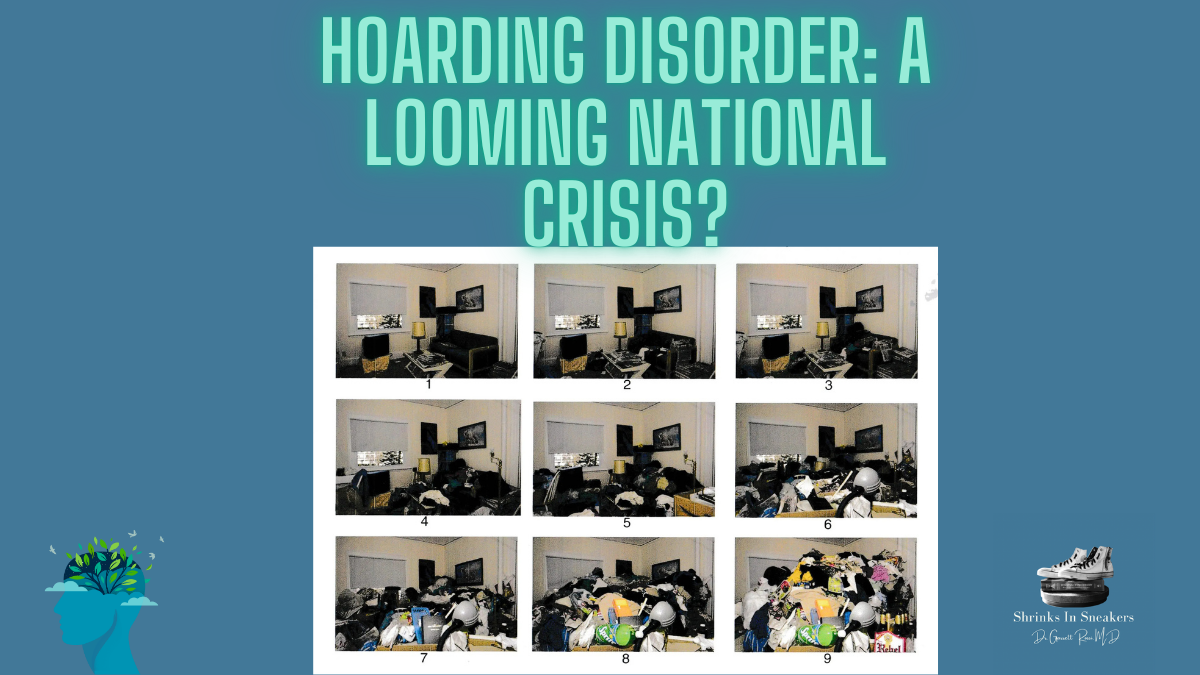
    A recent article on Medscape, Hoarding Disorder: A Looming National Crisis?, highlights the growing prevalence of hoarding disorder (HD) among older adults. While HD affects approximately 2% of the general population, studies suggest that prevalence may reach up to 6% among individuals over 70 years old.

    HD is characterized by persistent difficulty discarding possessions, even those with little to no monetary value. For individuals with HD, these items often provide a sense of security or serve as emotional reminders of the past. To outsiders, it’s difficult to understand why these possessions hold such deep significance, but for the person with HD, the items have profound sentimental value.

    Hoarding disorder is sometimes viewed as a subset of obsessive-compulsive disorder (OCD), but the overlap is not absolute. Many individuals with HD do not meet diagnostic criteria for OCD and often fail to respond to traditional OCD treatments. In my practice, I’ve come to conceptualize HD less as an extension of OCD and more as a personality-related condition influenced by environmental and psychological factors. For instance, many individuals with HD grew up in homes where similar behaviors were modeled. However, the precise causes of HD remain unclear.

    The consequences of HD are particularly concerning in older adults. The accumulation of clutter can pose significant safety risks, including fire hazards, tripping injuries, and even the potential for homelessness. These dangers were evident in a recent consult case where a medical team sought a psychiatric assessment of an elderly patient living in a severely cluttered home. Although the risks were undeniable, the individual did not meet criteria for psychiatric hospitalization. Even if hospitalization were an option, there is no FDA-approved treatment for HD at this time.

    The most evidence-based intervention we have for HD is cognitive-behavioral therapy (CBT), which requires sustained engagement over many weeks. Unfortunately, a key barrier is that many individuals with HD do not recognize the need for change or are reluctant to participate in therapy. This makes HD a uniquely challenging condition to address.

    Effective management of HD begins with education—helping patients understand the disorder, its risks, and the available treatment options. But education alone is not enough. We urgently need robust community support systems, including services to assist with clearing hazardous clutter and providing ongoing support to encourage treatment adherence.

    Inpatient psychiatric hospitalization, in my opinion, offers little benefit for HD. Instead, we need long-term, community-focused solutions. While policymakers often call for greater action to address mental health challenges, they frequently overlook the resource constraints faced by frontline providers. If we are to rise to this challenge, funding and systemic support must match the urgency of their rhetoric.

    HD is more than a personal struggle—it’s a public health issue with profound implications for individuals, families, and communities. As healthcare providers, we are ready to do more. Now, we need our leaders to step up and provide the resources to make that possible.

  • A Time for Gratitude

    A Time for Gratitude

    Thanksgiving is the perfect opportunity to pause and reflect on the many blessings in our lives. In today’s fast-paced, hyper-connected world, it’s all too easy to fall into the trap of comparison—looking at what others have and wishing we were in their shoes. This mindset often leaves us feeling inadequate, overlooking the beauty of what we already possess.

    But life’s true treasures aren’t found in material possessions or social status—they’re in the little moments that bring us peace, joy, and connection. A quiet morning with the sun streaming through your window. Sharing a cup of coffee and conversation with your significant other. The gift of a healthy body that carries you through each day. The clarity of mind to appreciate it all.

    Today, let’s take a step back from the noise and truly embrace the small things that make life meaningful. Let’s spend time with friends and family, cherishing the laughter, love, and warmth they bring. Let’s acknowledge the present moment and express gratitude for all we have right now—not what we hope to gain tomorrow, but what fills our lives with richness today.

    So, as we gather around the table, let’s give thanks not just for the feast before us but for the everyday blessings that sustain us. May this day remind us to carry gratitude in our hearts, not just on Thanksgiving but throughout the year.

    Happy Thanksgiving to all!

  • Psychiatry: Ahead of the Curve on Singulair’s Neuropsychiatric Risks

    Psychiatry: Ahead of the Curve on Singulair’s Neuropsychiatric Risks

    Psychiatry is often criticized for being “late to the table” when it comes to recognizing the broader impacts of medical treatments. However, in the case of Singulair (montelukast), psychiatry has been aware of its potential neuropsychiatric effects for quite some time.

    Singulair, widely used for asthma and allergic rhinitis, has long been associated with side effects such as mood changes, anxiety, depression, and even suicidality. This connection has been documented for years, yet the broader medical community and regulatory bodies have taken time to fully address these risks.

    Recently, the FDA issued a new warning aimed at heightening awareness of montelukast’s neuropsychiatric side effects. This update emphasizes the importance of assessing the risk-benefit ratio, particularly for patients with mild conditions where alternative treatments may suffice.

    Psychiatry’s Role

    Psychiatrists have long recognized and documented cases where montelukast seemed to exacerbate or trigger psychiatric symptoms. Many of us have seen patients whose mood instability or new-onset anxiety correlated with starting the medication, leading to its discontinuation and subsequent symptom improvement.

    Why This Matters

    This development underscores the value of psychiatry’s vigilance in identifying patterns that might initially go unnoticed in other fields. It’s also a reminder of the importance of collaboration between specialties to ensure patient safety.

    Key Takeaways:

    • Patients and families: Be aware of the potential neuropsychiatric side effects of montelukast. Monitor mood, sleep, and behavior changes closely, especially in children.
    • Clinicians: Always evaluate the necessity of montelukast in mild cases and consider alternatives when possible. Open conversations with patients about these risks can be life-saving.
    • Psychiatrists: Continue advocating for the recognition of neuropsychiatric risks in non-psychiatric medications. Our input is crucial in ensuring patient safety.

    Psychiatry wasn’t late to this table. In fact, we may have set it.

  • Cobenfy: New Insights into Efficacy and Comparative Impact on Schizophrenia Symptoms

    Cobenfy: New Insights into Efficacy and Comparative Impact on Schizophrenia Symptoms

    Overall Efficacy

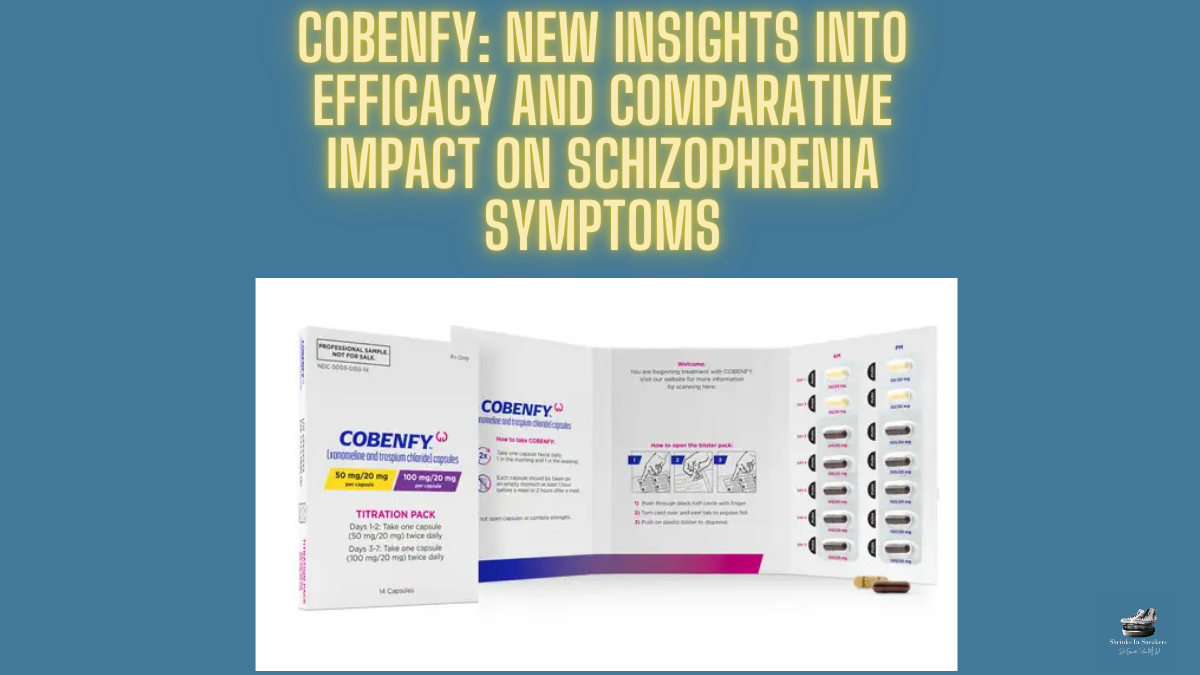
    • Effect Size: Cobenfy’s overall efficacy on the Positive and Negative Syndrome Scale (PANSS) stands at an effect size of 0.6, which is higher than many established antipsychotics (typically 0.3-0.5). However, clozapine still leads as the gold standard, with effect sizes ranging from 0.76 to 1.0.
    • NNT (Number Needed to Treat): The estimated NNT for Cobenfy is around 4, placing it in the mid-range among antipsychotics, where NNTs often range from 3 to 10.

    Negative Symptom Impact

    • Cobenfy shows a notable efficacy in reducing negative symptoms. It achieves an impressive effect size of 1.18for this symptom domain, which is uncommon among antipsychotics. This improvement in negative symptoms appears to be independent of reductions in positive symptoms, a distinct advantage over traditional agents.
    • The NNT for negative symptoms specifically is around 2, highlighting Cobenfy’s potential as a robust option for patients struggling with these challenging symptoms.

    Onset of Action

    • Rapid Onset: Cobenfy begins to show statistically significant improvements by week 3.
    • Peak Effect: Maximal symptom improvement is typically observed by week 5.

    Conclusion
    Cobenfy offers strong efficacy in schizophrenia, with unique advantages for negative symptoms. While clozapine remains unmatched in treatment-resistant cases, Cobenfy provides a promising option, especially for patients with significant negative symptoms.


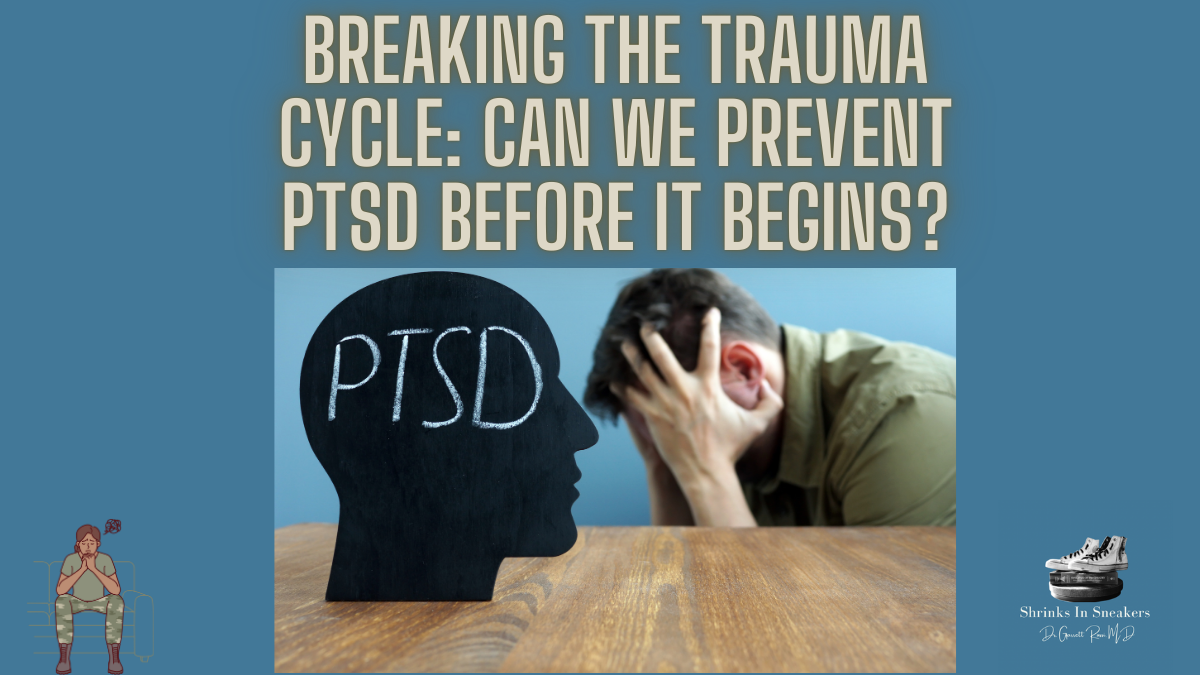
  • Breaking the Trauma Cycle: Can We Prevent PTSD Before It Begins?

    Breaking the Trauma Cycle: Can We Prevent PTSD Before It Begins?

    The use of hydrocortisone and propranolol in the prevention of post-traumatic stress disorder (PTSD) has been explored in several randomized controlled trials (RCTs). We always want to know does it work or is it just another interesting idea with little evidence to support its use

    Hydrocortisone:

    Hydrocortisone, a corticosteroid, has been investigated for its potential to modulate the stress response and prevent the consolidation of traumatic memories, which is thought to contribute to the development of PTSD.

    1. Mechanism: Hydrocortisone works by increasing cortisol levels, which can suppress the stress-induced overactivation of the hypothalamic-pituitary-adrenal (HPA) axis. Cortisol may reduce memory consolidation of trauma, thus decreasing PTSD risk.
    2. RCT Evidence:
      • Schelling et al. (2004) conducted a study on patients in the ICU, where hydrocortisone was used to treat septic shock. They found that patients who received hydrocortisone had a significantly lower risk of developing PTSD symptoms at follow-up compared to the placebo group. This suggested that hydrocortisone might have a protective effect in stress-related conditions.
      • Survivors of trauma: In a study by Zohar et al. (2011), trauma patients who received hydrocortisone in the immediate aftermath of the traumatic event had lower rates of PTSD symptoms compared to those who received placebo. The results suggested that hydrocortisone may reduce PTSD incidence when administered shortly after trauma exposure.
      • Critically ill patients: Schelling et al. (2001) showed that administering hydrocortisone to critically ill patients in the ICU reduced PTSD symptoms at follow-up, supporting the idea that early cortisol intervention can modulate the long-term psychological impact of traumatic experiences.
    3. Summary: Hydrocortisone has shown promise in reducing PTSD symptoms when administered during or soon after traumatic experiences, particularly in ICU patients or survivors of trauma. Its role appears to be in modulating the stress response and memory consolidation processes.

    Propranolol:

    Propranolol, a beta-blocker, is primarily used to treat cardiovascular conditions but has been studied for its effects on memory reconsolidation and emotional arousal, both of which are implicated in the development of PTSD.

    1. Mechanism: Propranolol reduces adrenergic activity by blocking beta-adrenergic receptors, potentially interfering with the emotional enhancement of traumatic memories, thus reducing their consolidation.
    2. RCT Evidence:
      • Pitman et al. (2002) conducted a double-blind, placebo-controlled trial in which trauma victims (e.g., car accident survivors) were given propranolol or placebo within a few hours of the event. At follow-up, patients who received propranolol had reduced PTSD symptoms compared to those given placebo, though the results were not statistically significant.
      • Brunet et al. (2008) performed a study on individuals with PTSD, where propranolol was administered before memory reactivation (i.e., recalling the traumatic event). The group that received propranolol showed reduced physiological responses to trauma reminders and decreased emotional impact, suggesting that propranolol may weaken the reconsolidation of traumatic memories.
      • Stein et al. (2007) did not find a significant reduction in PTSD incidence when propranolol was administered following trauma. This led to mixed conclusions regarding its preventive efficacy.
    3. Summary: The evidence for propranolol is more mixed. While some studies suggest it may reduce PTSD symptoms by weakening emotional memory consolidation, other trials have not demonstrated a significant reduction in PTSD development.

    Conclusion:

    • Hydrocortisone has more consistent evidence supporting its role in preventing PTSD, particularly when administered soon after trauma.
    • Propranolol shows mixed results, with some evidence suggesting it may reduce emotional memory consolidation and PTSD symptoms, though its effectiveness in preventing PTSD development is less conclusive.

    Both treatments hold potential, but more research is needed to establish their routine use in PTSD prevention.

  • Unlocking Relief: Can Prazosin Power Up Depression Treatment?

    Unlocking Relief: Can Prazosin Power Up Depression Treatment?

    The evidence for the use of prazosin in major depressive disorder (MDD) comes mainly from smaller studies or trials focusing on its off-label use, as prazosin is primarily an alpha-1 adrenergic antagonist used to treat hypertension and PTSD-related nightmares.

    Clinical Rationale

    The theoretical rationale for prazosin in MDD is based on its ability to block alpha-1 adrenergic receptors, which may help reduce the hyperactivity of the norepinephrine system—a pathway implicated in stress and depression.

    Randomized Controlled Trials (RCTs)

    RCT evidence for prazosin in treating MDD is limited compared to other antidepressants, but a few studies have explored its potential benefits:

    1. Prazosin as Adjunctive Treatment for MDD (2009):
      A small pilot RCT assessed prazosin as an add-on therapy for MDD in patients who were already on standard antidepressants. The results showed modest improvements in depressive symptoms when prazosin was combined with SSRIs or SNRIs, particularly in patients with high anxiety or sleep disturbances.
    2. Prazosin for PTSD and MDD Comorbidity:
      Some RCTs conducted in patients with PTSD (a condition often comorbid with MDD) showed improvements in both PTSD and depressive symptoms. For example, a trial published in 2015 demonstrated that prazosin led to a significant reduction in depressive symptoms in veterans with PTSD and depression. While the trial primarily focused on PTSD, the secondary outcomes regarding depression were positive.
    3. Prazosin and Treatment-Resistant Depression (TRD):
      Some trials have explored prazosin’s efficacy in treatment-resistant forms of depression, hypothesizing that its ability to reduce stress-related symptoms could augment antidepressant efficacy. However, these trials have generally been small, and results have been inconsistent or not statistically significant in terms of primary depressive outcomes.

    Limitations

    • Sample Sizes: Most studies are small and underpowered.
    • Population: Most studies have focused on patients with PTSD, rather than pure MDD.
    • Adjunctive Use: Prazosin has mostly been tested as an adjunctive treatment, not as monotherapy for depression.

    While prazosin has shown some promise in improving depressive symptoms, particularly related to sleep disturbances and anxiety, larger RCTs specifically targeting MDD are needed to establish its efficacy.

  • Cyproheptadine in Anorexia: Appetite Booster or Waste of Time

    Cyproheptadine in Anorexia: Appetite Booster or Waste of Time

    Over the past few posts, I’ve been using real cases from my practice to highlight essential teaching points in managing complex conditions. Anorexia nervosa, one of the most severe and high-mortality disorders I encounter, demands a multifaceted approach, especially in critical cases. Recently, I had to explore every possible option to support a particularly challenging case, including cyproheptadine—a medication with potential benefits in anorexia. I decided to dive deeper into the evidence supporting its use. At the end of this post, I’ll share my own experience with cyproheptadine in this case and whether it made a difference in the outcome

    Cyproheptadine has been studied in the treatment of anorexia, particularly anorexia nervosa, due to its appetite-stimulating and antihistaminic properties. Some early randomized controlled trials (RCTs) suggested it might have benefits, especially for anorexia nervosa with certain subtypes, but the evidence has been mixed, and it’s not widely recommended in current guidelines.

    1. Weight Gain: Cyproheptadine has been shown in some RCTs to help promote weight gain in individuals with anorexia nervosa, particularly in those with a restricting type of the disorder. However, results have not been consistent across studies, with some trials finding minimal or no effect on weight gain.
    2. Symptom Relief: Cyproheptadine may help reduce anxiety and obsessive thoughts related to food, as its antihistaminic and mild sedative effects can have a calming influence. However, this has not been strongly confirmed across all trials.
    3. Limitations and Side Effects: The mixed evidence may relate to differences in study designs, anorexia subtypes studied, and dosages used. Side effects, such as sedation, have also limited its use, especially in outpatient settings where these effects might interfere with daily functioning.

    Overall, while some RCTs have shown cyproheptadine might help with weight gain and symptom relief in anorexia, particularly in non-binging types, the evidence remains inconclusive. In my personal practice with the medication, I saw limited if any benefit by adding this medication to current standard of treatment. We are often looking for solutions to complex difficult to treat conditions such as anorexia, but the benefits here seem to be limitted both from the research and clinical perspective.