Tag: Mental health advocate

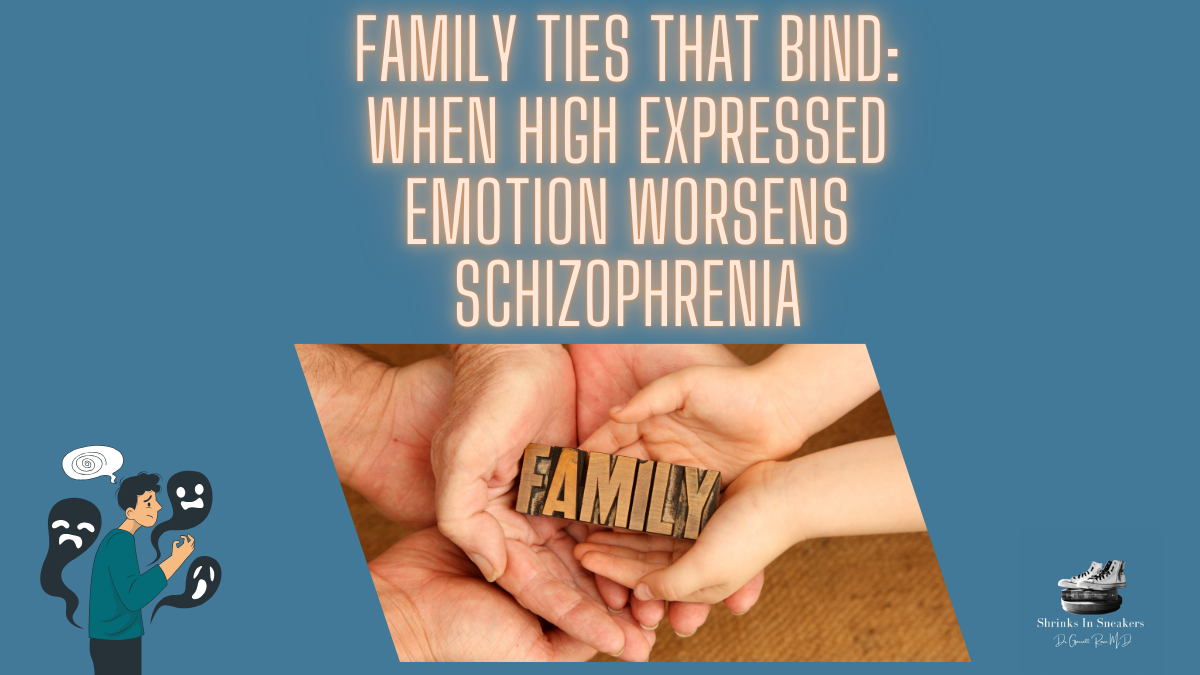
  • Family Ties That Bind: When High Expressed Emotion Worsens Schizophrenia

    Family Ties That Bind: When High Expressed Emotion Worsens Schizophrenia

    In psychiatry we are always asking patients about social support. The presence or absence of social support can have a major impact on treatment response and ability to remain well once someone leaves the hospital. This usually includes support from family members and friends. 

    In 1956 the Medical Research Council Social Psychiatry (MRCSP) London conducted a study regarding the readmission of schizophrenic patients. The research revealed that patients who were stabilized symptomatically and functionally inpatient and subsequently discharged to live with their parents or wives were frequently readmitted for relapse of symptoms compared to those who were discharged to a sibling, or non-family environment. While family involvement is generally a protective factor that helps prevent things like suicide, there are some situations where the over involvement of family can complicate matters and even create worse outcomes.

    This usually occurs when a family has high expressed emotion. 

    Expressed emotion (EE) has consistently been shown to predict relapse in schizophrenia as well as other psychiatric disorders. Expressed emotion is a measure of the family environment that is based on how the relatives of a psychiatric patient spontaneously talk about the patient. 

    It measures 3 aspects of the family environment associated with high expressed emotion:

    1. Hostility (outward anger and frustration towards the patient because the family believes they are choosing to not get better) 
    2. Emotional over-involvement (This is where the family tries to solve all the problems for the patient taking away their ability to be self-reliant). 
    3. Critical comments (where the family views the mentally ill patient as lazy or selfish, not appreciating the difficulty of living with mental illness). 

    However, research has shown the following as indications of an environment with low expressed emotion: 

    1.    Positivity: (statements that express appreciation or support for the patient’s behavior and gives verbal and nonverbal reinforcement). 

    2.    Warmth: (kindness, concern and empathy expressed by the caregiver).

    There is such a thing as too much involvement on the part of the families which can lead to complicating family dynamics and exacerbation of an individual’s symptoms of mental illness. Interventions for improving outcomes include reducing contact with high EE caregivers and providing psychoeducation about EE to care givers. Bringing awareness to this behavior may help family members change. 

  • Is Clozapine Disease Modifying?

    Is Clozapine Disease Modifying?

    This post comes from my real world experience with treating many patients with treatment resistant schizophrenia. I wanted to create a consolidated post that goes over what we know about the benefits of clozapine in schizophrenia treatment as well as what we do not know. Clozapine is unique among antipsychotics due to its superior efficacy in treatment-resistant schizophrenia (TRS), but whether it is disease-modifying remains debated.

    1. Superior Long-term Outcomes in TRS

    • Reduced Relapse Rates: Clozapine has been shown to reduce relapse rates more effectively than other antipsychotics. For instance, a large cohort study found lower rates of rehospitalization for patients on clozapine compared to those on other second-generation antipsychotics (SGAs). The lower relapse rates may suggest stabilization of disease progression.
    • Cognitive Benefits: Several studies report improvements or stabilization in cognitive function in patients on clozapine, which contrasts with the cognitive decline often observed in schizophrenia. The preservation or improvement in cognitive function could indicate a modification of disease trajectory.

    2. Impact on Mortality and Suicidality

    • Reduced Mortality: Long-term use of clozapine has been associated with lower mortality rates in schizophrenia, both due to reduced suicide risk and fewer overall medical complications compared to other antipsychotics.
    • Suicide Prevention: Clozapine is the only antipsychotic shown to significantly reduce suicidality in schizophrenia patients, which may point to broader effects on disease severity and progression.

    3. Neurobiological Effects

    • Neuroprotection: Preclinical and human imaging studies suggest clozapine might have neuroprotective properties. Some animal models and neuroimaging studies indicate that clozapine can increase neurogenesis, reduce oxidative stress, and potentially protect against the neurodegeneration associated with chronic schizophrenia.
    • Synaptic Remodeling: There is some evidence that clozapine might positively influence synaptic plasticity. Studies suggest it might normalize the synaptic dysfunction seen in schizophrenia, which could theoretically have a disease-modifying effect by restoring some aspects of brain connectivity and function.

    4. Delay in Onset of TRS

    • Intervention Timing: There is emerging evidence suggesting that earlier introduction of clozapine (when TRS is identified) might lead to better long-term functional outcomes. This hints that clozapine could modify the disease course if used earlier in resistant cases, though direct evidence of disease modification remains scarce.

    5. Chronicity and Brain Volume Loss

    • Potential for Reduced Brain Volume Loss: Some studies indicate that clozapine may be associated with less gray matter loss over time compared to other antipsychotics. This could imply a reduction in the neuroprogressive aspects of schizophrenia.

    Limitations in Evidence

    While clozapine shows many positive outcomes, definitive evidence proving it is “disease-modifying” remains elusive:

    • Lack of RCTs Focused on Disease Modification: Most clinical trials focus on symptomatic improvement rather than long-term neurobiological changes or functional outcomes.
    • Challenges in Measuring Disease Progression: Schizophrenia is a complex, heterogeneous disorder with no clear biomarkers for progression, making it difficult to measure whether clozapine alters the underlying disease process.

    In summary, while there is compelling evidence that clozapine leads to better long-term outcomes and may have neuroprotective effects, proving it as a true disease-modifying treatment in schizophrenia requires more robust, long-term studies focused specifically on changes in the disease course.

  • The Culture of Burnout in Modern Medicine

    The Culture of Burnout in Modern Medicine

    Modern medicine has given rise to a new culture of burnout. As physicians, we are already high achievers—it’s a prerequisite to make it through the intense training. However, this constant push for relentless productivity often leads to feelings of exhaustion and disconnection. In medicine, the focus is always on doing more—seeing more patients, finishing more tasks, and achieving more outcomes each day.

    With digital technology, we’re constantly connected, always on call. Patients, colleagues, and administrators reach out through calls, texts, and emails at all hours. The pressure to respond immediately leads to guilt when we can’t meet these demands, even when they’re unreasonable. The result? We push ourselves beyond our limits, sacrificing our own well-being in the process.

    This grind leaves little room to rest or tend to our mental health. The importance of downtime is overlooked, even though it’s essential for long-term sustainability in our profession. But it’s time we rethink the culture of busyness and productivity. We need to start focusing on slowing down, with an emphasis on not staying busy for the sake of being busy.

    If you’re like me, you’ve probably tried this, only to find your mind immediately wandering to the next thing you need to do. The challenge is real. But to reclaim a deeper sense of meaning and purpose in both our personal and professional lives, we must commit to this change. By slowing down, we can begin to find more peace, love, and joy in our day-to-day activities.

    Let’s reclaim our lives—it’s long overdue

  • Non-Harvard Trained: Real Care, Real Results

    Non-Harvard Trained: Real Care, Real Results

    I constantly come across the phrase “Harvard-trained” in people’s bios. Sure, it brings instant brand recognition and credibility. But in reality, being trained at a prestigious institution—even one like Harvard—doesn’t automatically mean better skills or superior patient care.

    In psychiatry, quality care is shaped by much more than where someone trained. It comes from clinical experience, empathy, lifelong learning, and the ability to genuinely connect with patients. These are the factors that truly define the impact we make.

    While training is important, the real measure of a psychiatrist’s ability is in the care they provide and the outcomes they achieve. Psychiatry is such a nuanced field that no amount of prestige can substitute for hands-on experience and genuine compassion.

    It’s unfortunate that where someone trained is often used as a superficial marker of competence, overshadowing the true work that goes into patient care. Personally, I’d reject a Harvard offer, because for me, it’s about one thing: providing the highest level of care possible, every single day.

  • The more I learn the less certain I am About Things

    The more I learn the less certain I am About Things

    Did you ever feel like the more you learn the less certain you are about things?

    It’s completely natural to feel this way, especially in a field as complex and evolving as psychiatry. Uncertainty and skepticism can be strengths, driving you to seek deeper understanding and remain open to new perspectives and evidence. Here are a few thoughts that might resonate

    Complexity of Human Mind: The human brain and psyche are incredibly complex, and our understanding is still in its infancy. This complexity can make definitive answers elusive.

    Evolving Science: Psychiatry, like all medical fields, is constantly evolving. New research can change our understanding of mental health conditions and treatments, making certainty difficult.

    Individual Differences: What works for one person might not work for another. This variability can make it hard to be sure about diagnoses and treatments.

    Holistic Approach: Embracing uncertainty can lead to a more holistic approach, considering biological, psychological, and social factors in diagnosis and treatment.

    Continuous Learning: Your skepticism can fuel a commitment to continuous learning and improvement, which is essential in providing the best care.

    Collaboration and Discussion: Engaging in discussions with colleagues who have different perspectives can be enriching and help balance your skepticism with practical insights.

    Patient-Centered Care: Uncertainty can remind you to listen to your patients’ experiences and perspectives, which can be as important as clinical knowledge in guiding treatment.

    It’s good to question and explore; it means you’re thoughtful and committed to truly understanding and helping your patients.

  • Unintended Outcomes After FDA Pediatric Antidepressant Warnings

    Unintended Outcomes After FDA Pediatric Antidepressant Warnings

    The article “Intended and Unintended Outcomes After FDA Pediatric Antidepressant Warnings: A Systematic Review” examines the effects of the FDA’s 2003-2004 black box warning on antidepressants regarding the risk of increased suicidal thoughts and behaviors in children and adolescents.

    Intended Outcome:

    • The FDA issued the warning to ensure greater awareness of potential risks, encouraging careful monitoring of pediatric patients taking antidepressants.
    • The goal was to reduce suicidal behaviors potentially linked to antidepressant use in younger populations.

    Unintended Outcomes:

    • The warning led to a significant drop in antidepressant prescriptions for children and adolescents.
    • There was a corresponding increase in untreated depression, which may have led to higher rates of suicide attempts and worsening mental health outcomes in some cases.
    • Reduced prescriptions were associated with a decrease in diagnosis and treatment of mood disorders in pediatric populations.
    • The warning inadvertently caused confusion among healthcare providers and parents, often resulting in delays in seeking treatment for depression or anxiety.

    Post-Warning Trends:

    • Follow-up research found no consistent evidence that the use of antidepressants in pediatric patients increases the risk of completed suicides.
    • The decline in antidepressant use and increase in suicidal behaviors during the period following the warning suggest unintended negative consequences of the FDA’s decision.

    Conclusions:

    • While the warning achieved its goal of raising awareness about the risks of antidepressants in children, it also resulted in under-treatment of depression, potentially exacerbating mental health challenges.
    • The article calls for balanced decision-making in pediatric antidepressant use, emphasizing the need for risk-benefit assessments and careful monitoring rather than outright avoidance of antidepressants.

      The FDA’s black box warning led to a reduction in antidepressant use but also to increased untreated mental illness, highlighting the complexities of addressing medication risks in vulnerable populations.

    1. Let’s Invest In Mental Health

      Let’s Invest In Mental Health

      World Mental Health Day:

      World Mental Health Day is a reminder that mental health is not just important—it’s essential. There’s a saying, “There is no health without mental health,” and I couldn’t agree more. One of the leading causes of disability in the United States is untreated mental health conditions. Yet, we face a mental health crisis, largely because we continue to avoid investing in proper treatment.

      It doesn’t make sense to ignore mental health, only to pay heavily later on. By focusing on early intervention and accessible care, we could improve countless lives and reduce the long-term costs that come from untreated conditions. It’s not glamorous, it won’t make anyone rich overnight, but it will undeniably make the world a better place—and that, in itself, pays dividends for everyone.

      This World Mental Health Day, let’s commit to giving mental health the attention and investment it truly deserves.

    2. Antidepressants and the Black Box Warning: Has Treatment Declined?

      Antidepressants and the Black Box Warning: Has Treatment Declined?

      The FDA’s black box warning on antidepressants highlights an increased risk of suicidal thoughts and behaviors, particularly in children, adolescents, and young adults during the early stages of treatment. However, while this warning raised concerns, it’s essential to understand its context:

      • The Risk: Antidepressants, especially SSRIs, can cause agitation or mood swings during the first few weeks of use, which may increase the risk of suicidal ideation. But studies have shown that untreated depression carries a far greater risk of suicide.
      • Impact on Treatment: Initially, the warning led to a reduction in prescriptions, especially for younger populations. However, there is now growing recognition that avoiding treatment for depression and anxiety can lead to worsened outcomes, including a higher risk of suicide.
      • Guidance: The black box warning does not mean antidepressants are dangerous for everyone. It is a reminder that careful monitoring during the first few weeks of treatment is essential. Psychotherapy combined with medication remains the most effective treatment for many.

      The takeaway: Antidepressants save lives, but starting treatment should always involve open communication between the patient and healthcare provider to manage risks and monitor progress closely.

    3. Embracing the End: Why Psychedelics Are the Future of Compassionate End-of-Life Care

      Embracing the End: Why Psychedelics Are the Future of Compassionate End-of-Life Care

      One of the earliest and most logical places to introduce psychedelic medicine is for end of life and palliative care. It does not come with the same problems as treating patients with depression or other psychiatric disorders as the treatment will be time limited. 

      Here are some of the benefits based on the current research

      1. Psychological Benefits

      • Reduction in Anxiety and Depression: Several studies, particularly those using psilocybin, have demonstrated significant reductions in anxiety and depression in patients with terminal illnesses like cancer. These effects are often long-lasting, with benefits persisting for months after a single treatment session.
        • A notable 2016 study published in The Journal of Psychopharmacology showed that 80% of cancer patients treated with psilocybin experienced significant reductions in anxiety and depression, with some reporting a renewed sense of life meaning.

      2. Spiritual and Existential Distress

      • Psychedelics, especially psilocybin and LSD, are reported to induce mystical or transcendent experiences, which many patients describe as spiritually meaningful. This has been associated with reduced existential distress and increased acceptance of mortality.
        • Participants in several trials often report a greater sense of interconnectedness, enhanced life meaning, and a reduced fear of death.

      3. Enhanced Quality of Life

      • Beyond symptom relief, psychedelics have shown potential in improving overall quality of life. Patients often report improvements in emotional well-being, social connections, and the ability to engage with their loved ones, which are critical in end-of-life care.
        • In studies, patients often describe a greater ability to process emotions related to their diagnosis, leading to enhanced peace and emotional resilience.

      4. Safety and Low Abuse Potential

      • When administered in controlled, therapeutic settings, psychedelics like psilocybin are generally well-tolerated with minimal side effects. This contrasts with the stigma and misconceptions surrounding their use. Studies also emphasize the low risk of dependence or misuse, particularly in these clinical contexts.

      5. Mechanism of Action

      • Psychedelics are believed to work by temporarily disrupting the default mode network (DMN) in the brain, which is involved in self-referential thinking and rumination. This disruption may facilitate shifts in perspective, reducing the obsessive focus on illness and death that can fuel anxiety and depression in terminal patients.

      6. Therapeutic Process

      • Psychedelics are not stand-alone treatments but are typically administered in the context of guided therapy sessions. These sessions help patients integrate their psychedelic experiences, allowing them to explore their fears, emotions, and relationships in a supportive environment.

      7. Legal and Regulatory Considerations

      • Despite promising results, the legal status of psychedelics limits widespread use. However, growing clinical interest has led to “compassionate use” cases and expanded research protocols under FDA guidelines, signaling potential shifts in policy.

      Overall, the evidence suggests that psychedelics, particularly psilocybin, could provide significant psychological and existential relief for individuals facing end-of-life distress, although more research is needed to fully understand the scope of benefits. 

    4. The parallels between the psychiatric asylums and modern inpatient psychiatric treatment 

      The parallels between the psychiatric asylums and modern inpatient psychiatric treatment 

      The history of psychiatric asylums is a dark chapter in mental health care, yet the more I reflect on it, the more I see troubling parallels between the asylum era and our modern system of inpatient psychiatric treatment.

      Asylums, in their earliest forms, were created with good intentions: to provide care for those with severe mental illnesses and intellectual disabilities who could not be safely or adequately treated in their communities. However, as these institutions became overcrowded, underfunded, and poorly staffed, they devolved into places of neglect, abuse, and suffering. The eventual closures of these institutions were a necessary response to the horrific conditions exposed, but the underlying issues didn’t disappear. They merely shifted.

      Today, many of the same challenges persist in our modern inpatient psychiatric system. Patients with severe mental illnesses or disabilities still require long-term care, but instead of asylums, they are placed in short-term facilities. These hospitals are often understaffed and overburdened, operating under financial pressures to prioritize quick turnover rather than long-term recovery. It’s not uncommon for patients to be admitted, stabilized just enough for discharge, and then readmitted within weeks—sometimes even days—because the core issues remain unaddressed.

      In both the asylums of the past and the short-term psychiatric hospitals of today, patients often receive the same types of medications and therapies. The difference is that today’s treatment settings operate under stricter legal frameworks aimed at preserving patient rights, but the lack of continuity and depth in treatment results in a revolving door of care. Rather than focusing on sustained recovery, the focus is often on crisis management and meeting insurance-imposed timelines.

      This cycle is problematic for patients and clinicians alike. For patients, it results in frustration, instability, and a lack of meaningful progress. For healthcare workers, it leads to burnout, similar to what was seen in the asylum era. The system, despite its modern façade, hasn’t evolved enough to address the long-term needs of individuals with severe mental illnesses. Until we invest in creating a system that prioritizes long-term, comprehensive care, we risk repeating the mistakes of the past—only this time without the walls of the asylum to contain the issue.