Tag: Mental health advocate

  • Locked Out: Why Most Inmates Are Denied Life-Saving Opioid Treatment

    Locked Out: Why Most Inmates Are Denied Life-Saving Opioid Treatment

    The JAMA Network Open article titled “Factors Associated With the Availability of Medications for Opioid Use Disorder in US Jails” investigates the availability of medications for opioid use disorder (MOUD) in U.S. jails, such as methadone, buprenorphine, and naltrexone. It highlights that MOUD, which is a critical component in treating opioid use disorder (OUD), is underutilized in correctional facilities, despite its effectiveness in reducing overdose rates, withdrawal symptoms, and recidivism.

    Key factors influencing MOUD availability in jails include jail size, regional location, the political landscape, and resources available in the facility. Jails in larger urban areas or those in states with Medicaid expansion are more likely to provide MOUD. Barriers such as stigma, lack of funding, and inadequate healthcare infrastructure also limit access to these medications.

    The study emphasizes the importance of expanding access to MOUD in jails to address the opioid epidemic and improve public health outcomes for incarcerated populations as only 44% of jails offer MOUD in the current system. 

  • Psilocybin Outshines Escitalopram: A Breakthrough in Depression Treatment

    Psilocybin Outshines Escitalopram: A Breakthrough in Depression Treatment

    The article Effect of psilocybin versus escitalopram on depression symptom severity in patients with moderate-to-severe major depressive disorder: observational 6-month follow-up of a phase 2, double-blind, randomised, controlled trialreports findings from an extended observation period on the comparative effects of psilocybin and escitalopram in treating depression. Here are the key points:

    Study Design: This was a 6-month follow-up of a Phase 2, double-blind, randomized controlled trial. It compared the effects of psilocybin (a psychedelic compound) and escitalopram (a common SSRI) on depression symptoms in patients with moderate-to-severe major depressive disorder (MDD).

    Participants: Patients with moderate-to-severe MDD were randomly assigned to either psilocybin or escitalopram groups. Both treatments were administered in a controlled clinical setting

    Primary Outcome: Depression symptom severity was measured using the QIDS-SR-16 (Quick Inventory of Depressive Symptomatology–Self-Report) scale at various time points, including baseline, during the treatment phase, and at the 6-month follow-up.

    Results:

    Both groups showed improvement in depression symptoms, but the psilocybin group had a greater reduction in symptoms compared to the escitalopram group.

    The effects of psilocybin were found to be more rapid and sustained over the 6-month period.

    Remission and Response Rates: A higher proportion of patients in the psilocybin group achieved remission and clinically significant response compared to those in the escitalopram group.

    Safety and Side Effects: Both treatments were generally well-tolerated. However, psilocybin was associated with transient, mild-to-moderate side effects, mostly during the acute phase of treatment (e.g., perceptual disturbances).

    Conclusion: Psilocybin demonstrated more pronounced and longer-lasting antidepressant effects compared to escitalopram at the 6-month follow-up. This suggests that psilocybin could be a viable alternative treatment for moderate-to-severe depression, but further research is necessary to confirm long-term safety and efficacy.

  • The Journey to Becoming the Best Version of Yourself

    The Journey to Becoming the Best Version of Yourself

    I’ve never shared this story before, but lately, I’ve been reflecting on what it truly means to grow, to fight your inner battles, and become the best version of yourself. From the beginning, I knew that before I could serve others, I had to conquer my own demons — embark on my very own hero’s journey.

    For those unfamiliar with the old way of landing a residency before the pandemic, let me tell you—it was intense. As a fourth-year med student, you would travel across the country, conducting interviews in person. The nerves of sitting in a room with a program director, explaining why you were the right fit, were real. But there’s something irreplaceable about sitting face-to-face with someone, feeling their energy, picking up on their vibe. It told you whether or not you could actually work with that person. That is something lost in today’s tele-interviews, and honestly, it’s a lesson that extends beyond medical school—it’s about life and human connection.

    I vividly remember interviewing at a program where my final interview was with the director. We sat in silence for a minute as she looked over my CV. She didn’t introduce herself, didn’t ask how I was, just silence. Then, she saw the hobbies section where I had written that I enjoyed self-improvement seminars and books. Her reaction? She immediately began grilling me.

    “You like reading self-help books?” she asked, and I could feel the judgment. I told her I prefer to call it ‘education,’ but in her eyes, I had already failed. She looked at me as if someone on a journey to improve themselves didn’t belong there. She ended the interview right then, essentially telling me I wasn’t cut out for her program.

    At the time, I was hurt—angry, even. I felt like I had been dismissed for being human, for not being perfect. But that interaction has aged well. Today, I don’t look back with the same anger; instead, I see it as a powerful lesson.

    Here’s the thing: the expectation that we should be “perfect” is a lie. We are all works in progress. None of us have it all figured out, despite what social media shows. And that’s okay—it’s something to embrace, not run from.So to anyone out there, especially future psychiatrists, remember this: your own journey matters. The process of growth never ends, and it’s the imperfections that make us human—and that’s where real strength lies.

  • Trapped in My Own Mind: This Anxiety is Killing Me

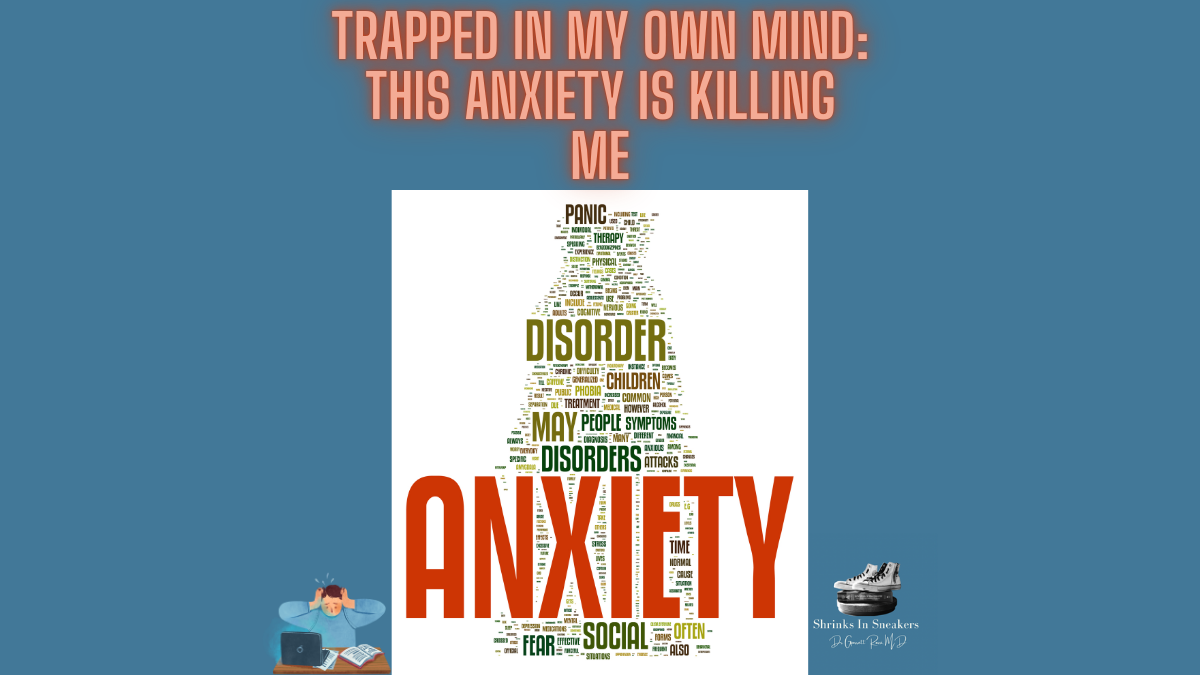
    Trapped in My Own Mind: This Anxiety is Killing Me

    Anxiety is a very real and powerful force that can take a toll on both your mind and body. In today’s fast-paced world, it’s easy to feel trapped in an anxiety prison, with stressors constantly surrounding us. The weight of it all can be overwhelming, leaving you exhausted mentally and physically. Remember, you’re not alone in this struggle. Take moments for self-care, reach out for support, and know that breaking free from anxiety’s grip is possible. Small steps can lead to big changes.

  • Want to Live Longer with a Serious Mental Health Condition? Say No to Alcohol, Drugs, and Smoking!

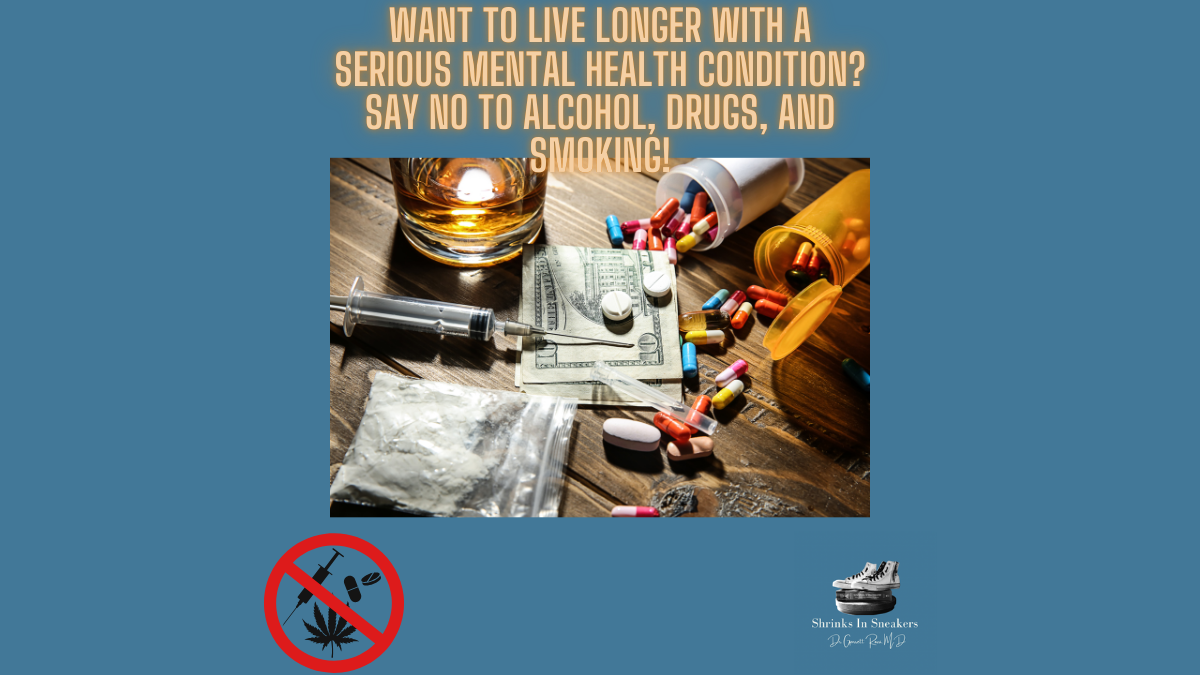
    Want to Live Longer with a Serious Mental Health Condition? Say No to Alcohol, Drugs, and Smoking!

    The article “Major Psychiatric Disorders, Substance Use Behaviors, and Longevity” explores the complex relationships between psychiatric disorders, substance use, and life expectancy. The authors examine how conditions like schizophrenia, bipolar disorder, and major depression affect longevity, often leading to reduced lifespans. This is largely due to increased risk factors, such as poor physical health, unhealthy lifestyles, and increased rates of suicide.

    Substance use behaviors, including alcohol, tobacco, and drug use, often co-occur with psychiatric disorders, compounding the negative effects on longevity. The article emphasizes the need for better integration of mental health and substance use treatment into healthcare systems. It also advocates for targeted interventions to reduce mortality rates, improve the quality of life, and enhance access to comprehensive care for individuals with psychiatric disorders.

    Link to the article: https://jamanetwork.com/journals/jamapsychiatry/fullarticle/2820199

  • ECT Maintenance: To Continue or Not To Continue

    ECT Maintenance: To Continue or Not To Continue

    The article on Clinical Outcomes of Continuation and Maintenance Electroconvulsive Therapy (ECT) highlights the role of ECT in preventing relapses in patients with major depressive disorder. Continuation (C-ECT) and maintenance (M-ECT) ECT, when used after an initial successful acute ECT response, are shown to be effective in reducing the recurrence of mood disorders, particularly when combined with pharmacotherapy. Despite its proven benefits, this therapeutic approach is underutilized. Studies also suggest that C-ECT and M-ECT are well-tolerated with no significant cognitive decline​

    Link to the study: https://jamanetwork.com/journals/jamapsychiatry/article-abstract/2823669

  • Strengthening Mental Health Parity: Ensuring Equal Access to Affordable Care

    Strengthening Mental Health Parity: Ensuring Equal Access to Affordable Care

    Here are the key points from the Biden Administration’s finalized regulation:

    1. Objective: To ensure 175 million Americans with private health insurance have access to affordable mental health services.
    2. Focus: The regulation emphasizes mental health care parity, aiming for equal access and affordability between mental and physical health services.
    3. Requirements for Insurers: Health insurance providers must cover mental health services comparably to physical health services, without added hurdles.
    4. Implementation: Insurers are required to assess the adequacy of their mental health networks and take corrective action if they fall short.
    5. Broader Impact: The rule seeks to reduce out-of-pocket costs and improve access to essential mental health treatments, addressing the growing mental health crisis.
  • Heart and Mind: Answering the Call to Psychiatry

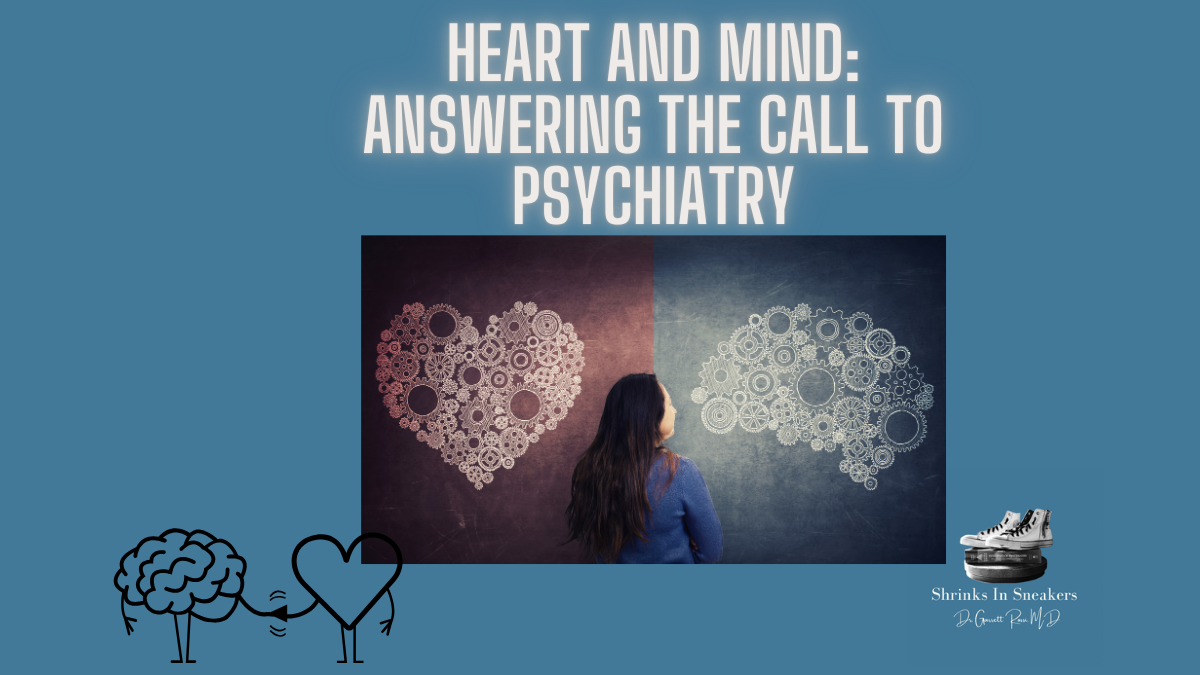
    Heart and Mind: Answering the Call to Psychiatry

    Psychiatry as a calling is a profound commitment to understanding and alleviating the complexities of the human mind. It’s more than a profession; it’s a deeply personal journey of compassion, empathy, and healing.

    At its core, psychiatry is about connecting with individuals at their most vulnerable, navigating the labyrinth of their thoughts, emotions, and behaviors to help them find light in the darkness. It’s about being a beacon of hope for those grappling with mental illness, guiding them towards resilience, recovery, and a renewed sense of purpose.

    Those who feel drawn to psychiatry often possess a unique blend of curiosity and empathy. They are captivated by the intricacies of the human psyche, driven by a genuine desire to understand the underlying causes of mental distress and suffering. They recognize that mental health is not just the absence of illness but the presence of wellness and strive to foster holistic healing in their patients.

    Psychiatrists approach their work with humility, recognizing that each individual’s journey is unique and deserving of respect and dignity. They embrace diversity in all its forms, understanding that cultural, social, and personal factors shape one’s experience of mental illness and recovery.

    Choosing psychiatry as a calling means embracing the challenges and uncertainties that come with the territory. It means bearing witness to the raw realities of human suffering while holding onto the unwavering belief in the power of resilience and transformation. It means standing alongside patients as they navigate the peaks and valleys of their mental health journey, offering support, guidance, and unwavering compassion.

    In a world where mental health stigma still persists, psychiatrists serve as advocates, educators, and champions for change. They work tirelessly to destigmatize mental illness, promote access to quality care, and foster a greater understanding of the interconnectedness of mental, emotional, and physical well-being.

    Ultimately, psychiatry as a calling is a testament to the human capacity for healing, growth, and connection. It’s a sacred bond between healer and patient, forged in empathy, nurtured by understanding, and strengthened by the shared journey towards wholeness and healing.
  • Understanding Anxiety: My Personal Experience as a Medical Student

    Understanding Anxiety: My Personal Experience as a Medical Student

    This reminds me a lot of the depression question. Patients often tell me, “Dr. Rossi, you don’t know what it’s like to be anxious.”

    I usually have a quiet chuckle to myself because anxiety is something everyone experiences. It’s a natural part of life. We all have areas where we feel competent, and others where we feel out of our depth. It’s in those areas, the places where we feel uncertain or inadequate, that anxiety can really interfere with our ability to function.

    My most challenging personal experience with anxiety happened during the infamous 4th term of medical school at St. George’s University. By this point, you’ve survived the first year and are well into the second. However, this term is notorious, and it often feels like the school uses it to weed out students—which, in my opinion, is a bit unethical. The structure of my routine completely changed. More requirements, longer lab hours, and less time to study. The familiar rhythm I had relied on to keep up was suddenly turned on its head.

    Throughout that term, I was constantly on edge, overwhelmed by the pressure that all my hard work could slip away at any moment. I still vividly remember the first time I experienced a panic attack. It was early morning; I woke up drenched in sweat, my heart racing, and I couldn’t catch my breath. I was scared enough to go to the university clinic, and that’s when I found out it was a panic attack.

    That experience taught me firsthand what anxiety truly feels like. It’s not just a fleeting worry—it can become physical, paralyzing, and all-consuming. When I talk to patients about anxiety, it’s from a place of understanding. Anxiety doesn’t discriminate, and it certainly doesn’t mean we’re incapable—just human.

  • The ketogenic Diet For Mental Health

    The ketogenic Diet For Mental Health

    The ketogenic diet, primarily known for its benefits in weight loss and managing conditions like epilepsy, has been increasingly explored for its potential impact on mental health, including psychiatry. While research in this area is still emerging, some studies suggest that the ketogenic diet may offer benefits for certain psychiatric conditions. 

    1. Mood Disorders: Some research indicates that the ketogenic diet might have a positive impact on mood disorders such as depression and bipolar disorder. The diet’s ability to stabilize blood sugar levels and regulate neurotransmitters like serotonin and dopamine could contribute to mood improvement.
    2. Anxiety: The ketogenic diet’s effects on GABA (gamma-aminobutyric acid), a neurotransmitter that helps regulate anxiety, have been of interest to researchers. By increasing GABA levels, the diet may have an anxiolytic effect, potentially reducing symptoms of anxiety.
    3. Cognitive Function: Ketones produced during ketosis are an alternative fuel source for the brain. Some studies suggest that ketones may provide more efficient energy for brain cells, leading to improved cognitive function and clarity of thought. This could have implications for conditions such as ADHD and cognitive impairment.
    4. Neuroprotective Effects: Ketones have been shown to have neuroprotective properties, which could be beneficial in neurodegenerative disorders like Alzheimer’s disease and Parkinson’s disease. By providing an alternative energy source for the brain, the ketogenic diet may help protect against neuronal damage and promote brain health.
    5. Inflammation: Chronic inflammation has been linked to various psychiatric disorders. The ketogenic diet has anti-inflammatory effects, which could potentially reduce inflammation in the brain and mitigate symptoms of conditions like schizophrenia and PTSD.
    6. Gut-Brain Axis: Emerging research suggests that the gut microbiota plays a crucial role in mental health. The ketogenic diet can influence the gut microbiome, potentially improving gut health and modulating brain function through the gut-brain axis.

    While these findings are promising, it’s essential to approach the use of the ketogenic diet in psychiatry with caution. More research, including large-scale clinical trials, is needed to fully understand its efficacy, safety, and long-term effects on mental health conditions. Additionally, the ketogenic diet may not be suitable for everyone and should be implemented under the guidance of healthcare professionals, especially for individuals with pre-existing health conditions or those taking medications.