Tag: Mental health advocate

  • Antidepressants and the Black Box Warning: Has Treatment Declined?

    Antidepressants and the Black Box Warning: Has Treatment Declined?

    The FDA’s black box warning on antidepressants highlights an increased risk of suicidal thoughts and behaviors, particularly in children, adolescents, and young adults during the early stages of treatment. However, while this warning raised concerns, it’s essential to understand its context:

    • The Risk: Antidepressants, especially SSRIs, can cause agitation or mood swings during the first few weeks of use, which may increase the risk of suicidal ideation. But studies have shown that untreated depression carries a far greater risk of suicide.
    • Impact on Treatment: Initially, the warning led to a reduction in prescriptions, especially for younger populations. However, there is now growing recognition that avoiding treatment for depression and anxiety can lead to worsened outcomes, including a higher risk of suicide.
    • Guidance: The black box warning does not mean antidepressants are dangerous for everyone. It is a reminder that careful monitoring during the first few weeks of treatment is essential. Psychotherapy combined with medication remains the most effective treatment for many.

    The takeaway: Antidepressants save lives, but starting treatment should always involve open communication between the patient and healthcare provider to manage risks and monitor progress closely.
  • Embracing the End: Why Psychedelics Are the Future of Compassionate End-of-Life Care

    Embracing the End: Why Psychedelics Are the Future of Compassionate End-of-Life Care

    One of the earliest and most logical places to introduce psychedelic medicine is for end of life and palliative care. It does not come with the same problems as treating patients with depression or other psychiatric disorders as the treatment will be time limited. 

    Here are some of the benefits based on the current research

    1. Psychological Benefits

    • Reduction in Anxiety and Depression: Several studies, particularly those using psilocybin, have demonstrated significant reductions in anxiety and depression in patients with terminal illnesses like cancer. These effects are often long-lasting, with benefits persisting for months after a single treatment session.
      • A notable 2016 study published in The Journal of Psychopharmacology showed that 80% of cancer patients treated with psilocybin experienced significant reductions in anxiety and depression, with some reporting a renewed sense of life meaning.

    2. Spiritual and Existential Distress

    • Psychedelics, especially psilocybin and LSD, are reported to induce mystical or transcendent experiences, which many patients describe as spiritually meaningful. This has been associated with reduced existential distress and increased acceptance of mortality.
      • Participants in several trials often report a greater sense of interconnectedness, enhanced life meaning, and a reduced fear of death.

    3. Enhanced Quality of Life

    • Beyond symptom relief, psychedelics have shown potential in improving overall quality of life. Patients often report improvements in emotional well-being, social connections, and the ability to engage with their loved ones, which are critical in end-of-life care.
      • In studies, patients often describe a greater ability to process emotions related to their diagnosis, leading to enhanced peace and emotional resilience.

    4. Safety and Low Abuse Potential

    • When administered in controlled, therapeutic settings, psychedelics like psilocybin are generally well-tolerated with minimal side effects. This contrasts with the stigma and misconceptions surrounding their use. Studies also emphasize the low risk of dependence or misuse, particularly in these clinical contexts.

    5. Mechanism of Action

    • Psychedelics are believed to work by temporarily disrupting the default mode network (DMN) in the brain, which is involved in self-referential thinking and rumination. This disruption may facilitate shifts in perspective, reducing the obsessive focus on illness and death that can fuel anxiety and depression in terminal patients.

    6. Therapeutic Process

    • Psychedelics are not stand-alone treatments but are typically administered in the context of guided therapy sessions. These sessions help patients integrate their psychedelic experiences, allowing them to explore their fears, emotions, and relationships in a supportive environment.

    7. Legal and Regulatory Considerations

    • Despite promising results, the legal status of psychedelics limits widespread use. However, growing clinical interest has led to “compassionate use” cases and expanded research protocols under FDA guidelines, signaling potential shifts in policy.

    Overall, the evidence suggests that psychedelics, particularly psilocybin, could provide significant psychological and existential relief for individuals facing end-of-life distress, although more research is needed to fully understand the scope of benefits. 

  • The parallels between the psychiatric asylums and modern inpatient psychiatric treatment 

    The parallels between the psychiatric asylums and modern inpatient psychiatric treatment 

    The history of psychiatric asylums is a dark chapter in mental health care, yet the more I reflect on it, the more I see troubling parallels between the asylum era and our modern system of inpatient psychiatric treatment.

    Asylums, in their earliest forms, were created with good intentions: to provide care for those with severe mental illnesses and intellectual disabilities who could not be safely or adequately treated in their communities. However, as these institutions became overcrowded, underfunded, and poorly staffed, they devolved into places of neglect, abuse, and suffering. The eventual closures of these institutions were a necessary response to the horrific conditions exposed, but the underlying issues didn’t disappear. They merely shifted.

    Today, many of the same challenges persist in our modern inpatient psychiatric system. Patients with severe mental illnesses or disabilities still require long-term care, but instead of asylums, they are placed in short-term facilities. These hospitals are often understaffed and overburdened, operating under financial pressures to prioritize quick turnover rather than long-term recovery. It’s not uncommon for patients to be admitted, stabilized just enough for discharge, and then readmitted within weeks—sometimes even days—because the core issues remain unaddressed.

    In both the asylums of the past and the short-term psychiatric hospitals of today, patients often receive the same types of medications and therapies. The difference is that today’s treatment settings operate under stricter legal frameworks aimed at preserving patient rights, but the lack of continuity and depth in treatment results in a revolving door of care. Rather than focusing on sustained recovery, the focus is often on crisis management and meeting insurance-imposed timelines.

    This cycle is problematic for patients and clinicians alike. For patients, it results in frustration, instability, and a lack of meaningful progress. For healthcare workers, it leads to burnout, similar to what was seen in the asylum era. The system, despite its modern façade, hasn’t evolved enough to address the long-term needs of individuals with severe mental illnesses. Until we invest in creating a system that prioritizes long-term, comprehensive care, we risk repeating the mistakes of the past—only this time without the walls of the asylum to contain the issue.

  • Tragic final words of doctor, 33, before he died by suicide

    Tragic final words of doctor, 33, before he died by suicide

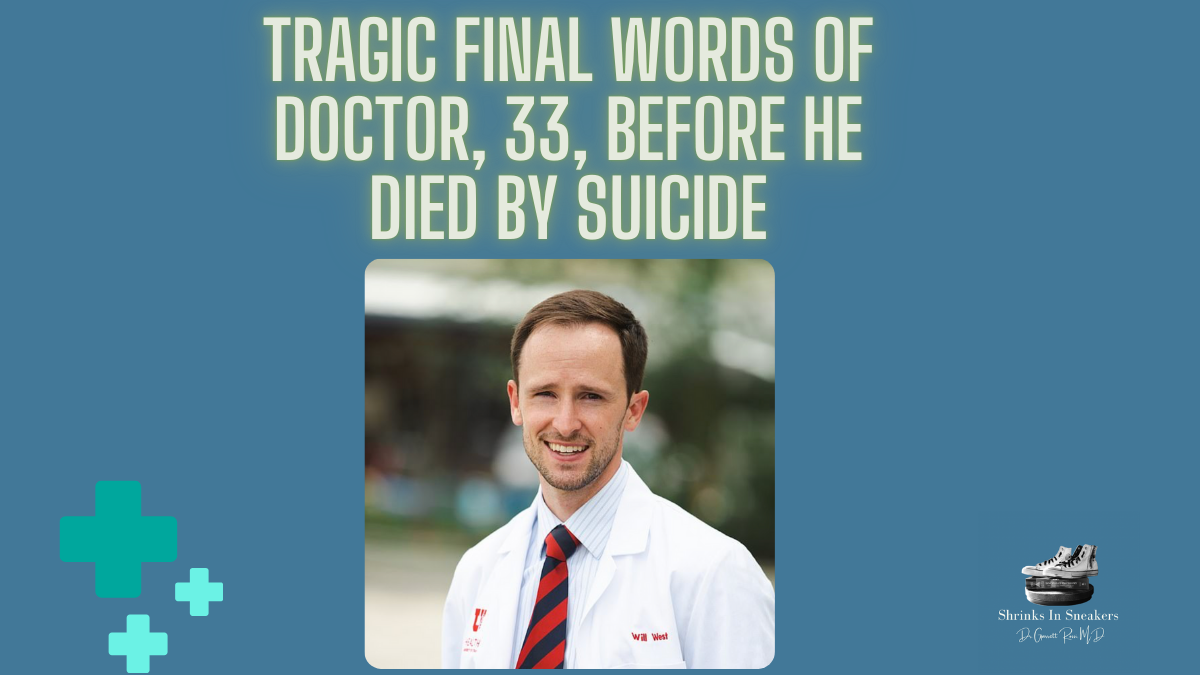
    The tragic loss of a 33-year-old ophthalmology resident by suicide is a heartbreaking reminder of the immense pressures faced by those in the medical field. Residency, known for its intense demands and long hours, often leaves little room for self-care, mental health support, and the emotional toll that comes with caring for others. This devastating event highlights the urgent need for systemic changes in medical training and work environments, ensuring that mental health resources are accessible, stigma is reduced, and medical professionals receive the support they need. Our hearts go out to the family, friends, and colleagues affected by this tragedy.

    As a doctor myself, I ask you—who hasn’t felt like they’re running on empty at one point or another during their training or career? The #burnout in this profession is as real as it gets. It can destroy your life, ruin time with your family, and, in the worst cases, end your life. Are we really the ones who are sick, or are we just products of a sick society? We need to do better for each other.

  • Have We Truly Moved Beyond the Asylum? Rethinking Modern Mental Health Care

    Have We Truly Moved Beyond the Asylum? Rethinking Modern Mental Health Care

    It’s that time of year when fall festivities begin, bringing with them the comforting embrace of pumpkin spice and the thrill of Halloween fun. Over the weekend, I visited Pennhurst Asylum to experience its haunted attractions. While it’s all good fun and purely fictional, it stands in stark contrast to the true horrors that once existed within asylums. I learned a great deal about Pennhurst’s tragic history—how it was eventually shut down due to horrendous living conditions, rampant abuse, lack of proper care, and the heartbreaking deaths of many patients.

    The concept of an asylum was originally born from good intentions. There was a need for a controlled, carefully monitored environment where individuals with severe mental illnesses and intellectual disabilities could receive care when it couldn’t be provided at home. However, these institutions quickly became overcrowded and severely underfunded, leading to dangerous conditions and substandard care. When you listen to interviews with former staff, it becomes painfully clear that most of them genuinely wanted to help, but they were overwhelmed by the lack of resources and growing patient populations, which ultimately led to burnout and a breakdown in the system.

    What struck me the most during my visit is how little our modern mental health system has progressed beyond the asylum model. While the walls of these institutions may have crumbled, the systemic issues remain. We still face a severe shortage of resources, and we still have large populations of patients with serious mental illnesses or intellectual disabilities, conditions that we have yet to find effective cures for. The difference now is that the burden has shifted to short-term inpatient facilities, where it’s not uncommon to treat and discharge the same patient multiple times within a single month. These patients deserve a place where they can receive long-term, consistent treatment and careful observation—certainly more than just five to seven days.

    The problem is multifaceted. It involves the tension between patients’ rights, insurance companies, and the pressure to generate profit from the care delivered. We find ourselves in a vicious cycle where patients make minimal progress with short-term interventions, are discharged, and quickly decompensate upon returning to the community. In many ways, the same forms of therapy and the same medications that were used in asylums are being employed today in these short-term facilities.

    While I’d like to be hopeful, I can’t help but see the striking parallels between our current system and the asylums of the past. Unfortunately, the evolution of mental health care feels more like a lateral move than a leap forward. Until we address the root issues—underfunding, understaffing, and the over-reliance on short-term fixes—it’s difficult to imagine real progress.

  • FDA warns patients and health care providers about potential risks associated with compounded ketamine

    FDA warns patients and health care providers about potential risks associated with compounded ketamine

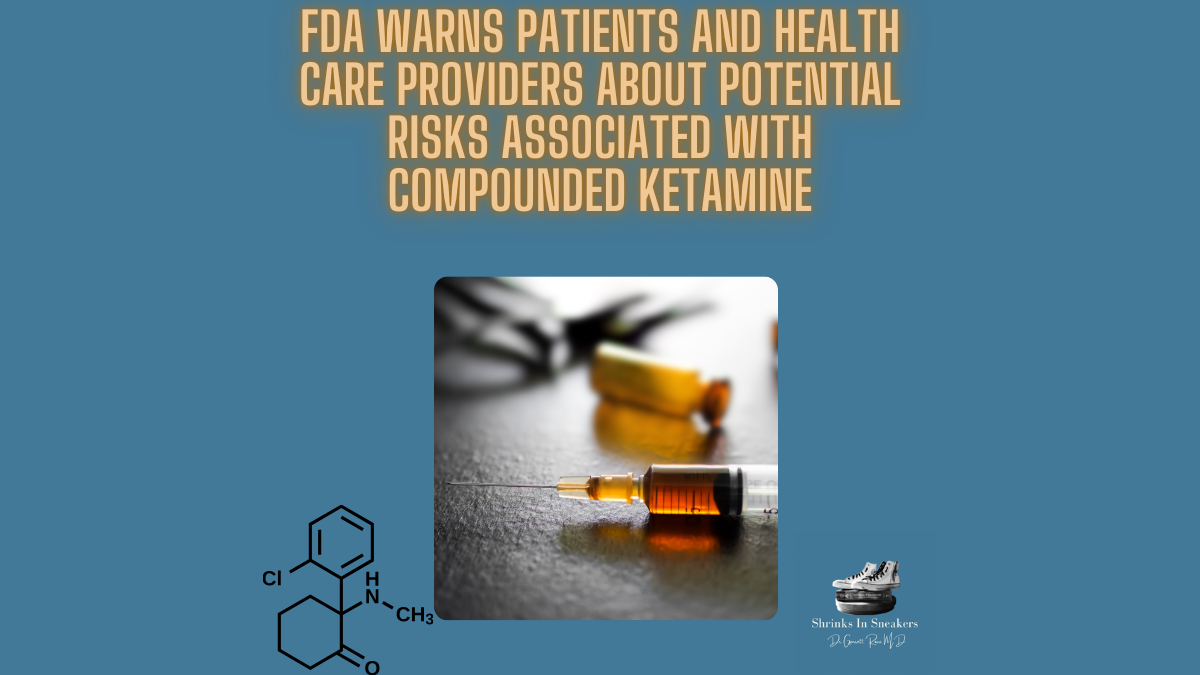
    The FDA has issued a warning to patients and healthcare providers regarding the potential risks of compounded ketamine products, including oral formulations, used for psychiatric disorders. These products, often compounded outside of FDA oversight, can pose serious safety concerns such as inconsistent dosing, contamination, and lack of proven efficacy. The FDA emphasizes that while ketamine is approved for anesthesia and certain treatments, compounded versions may not meet the same quality standards, leading to unpredictable outcomes. Patients are urged to consult with their healthcare providers to explore safer, FDA-approved treatment options for psychiatric conditions.

    Link to FDA press release: https://www.fda.gov/drugs/human-drug-compounding/fda-warns-patients-and-health-care-providers-about-potential-risks-associated-compounded-ketamine

  • Facing Treatment-Resistant Depression? Your Risk of Death Could Skyrocket

    Facing Treatment-Resistant Depression? Your Risk of Death Could Skyrocket

    A recent population-based cohort study examining cause-specific mortality in treatment-resistant major depression (TRD) revealed significant findings about the increased risks faced by those with TRD. The study, which analyzed data from over 176,000 Finnish patients diagnosed with major depressive disorder (MDD), found that approximately 11% of these patients developed TRD, meaning they did not respond to at least two adequate treatment trials.

    Key findings include that patient’s with TRD had a 17% higher overall mortality rate compared to non-TRD patients. The study highlights that much of this elevated mortality stems from external causes, with TRD patients facing nearly double the risk of suicide and a 27% higher chance of accidental death. Factors like male gender, psychotic depression, and rapid failure of initial treatments were linked to higher mortality risks.

    These findings highlight the importance of early intervention and aggressive treatment strategies for those diagnosed with TRD. The study suggests that clinicians should monitor patients closely and consider alternative therapeutic interventions, such as electroconvulsive therapy (ECT) or transcranial magnetic stimulation (TMS), when conventional treatments fail​

    Link to the article: https://www.sciencedirect.com/science/article/pii/S0165032724015490?via%3Dihub

  • The Silent Threat: How Excessive Alcohol Consumption Increases Cancer Risk

    The Silent Threat: How Excessive Alcohol Consumption Increases Cancer Risk

    Many people enjoy a drink without a second thought, but did you know that excessive alcohol consumption can significantly increase your risk of developing several types of cancer? It’s a hidden danger that often goes unnoticed. Here’s a breakdown of the various forms of cancer linked to heavy drinking:

    1. Mouth and Throat Cancer (Oral and Pharyngeal)

    Alcohol irritates the cells in your mouth and throat, making them more susceptible to carcinogens. Heavy drinkers are at much higher risk of developing cancers in these areas, especially when combined with smoking.

    2. Esophageal Cancer

    Drinking alcohol can damage the cells lining the esophagus, leading to DNA mutations over time. Certain genetic factors, such as deficiencies in alcohol metabolism, can further increase this risk.

    3. Liver Cancer

    Your liver is responsible for breaking down alcohol, and chronic drinking leads to inflammation, cirrhosis, and eventually liver cancer. Hepatocellular carcinoma is the most common type of liver cancer linked to alcohol abuse.

    4. Breast Cancer

    Alcohol affects hormone levels, particularly estrogen, which can contribute to an increased risk of breast cancer. Even moderate drinking can elevate this risk in women.

    5. Colon and Rectal Cancer

    Excessive alcohol consumption is linked to cancers of the colon and rectum. Alcohol disrupts the way your body processes nutrients, leading to inflammation and other conditions that promote cancer development.

    6. Pancreatic Cancer

    Chronic alcohol use can inflame the pancreas, increasing the risk of pancreatic cancer. Since this cancer is notoriously difficult to detect early, the connection to alcohol makes prevention even more critical.

    Reduce Your Risk

    The more alcohol you consume, the higher your risk of developing cancer. While occasional drinking in moderation might not significantly raise your risk, chronic and heavy drinking has been strongly linked to these cancers. To lower your risk:

    • Limit alcohol intake
    • Stay informed about the impact of alcohol on your body
    • Get regular health check-ups, especially if you drink often
  • Suicide Pods: A Grim Symptom of Our Global Mental Health Crisis

    Suicide Pods: A Grim Symptom of Our Global Mental Health Crisis

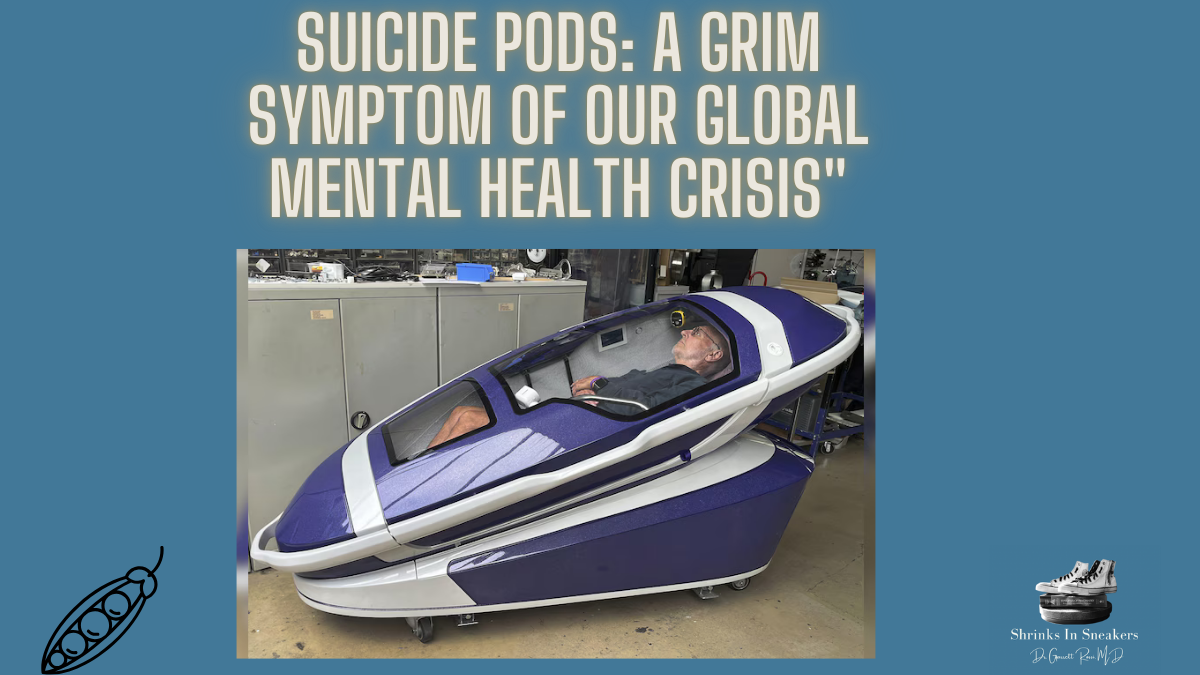
    Several individuals were arrested following the death of a 64-year-old American woman who used a controversial “suicide pod” in Switzerland. The device, known as Sarco, enables individuals to end their lives by releasing nitrogen gas, causing a painless death through oxygen deprivation. The incident occurred in the Schaffhausen canton near the Swiss-German border, supervised by a Swiss assisted suicide organization, The Last Resort

    Authorities detained several people involved, including Florian Willet, the co-president of The Last Resort, a journalist, and others, on charges of inducing and aiding suicide. Although assisted suicide is legal in Switzerland, the use of the Sarco pod has raised questions about its compliance with safety regulations and the legality of nitrogen use in this contex

    If you or a loved one is suffering there is hope:

    Help is available 

    Speak with someone today 

    988 Suicide and Crisis Lifeline

    Languages: English, Spanish

    Hours: Available 24 hours

  • Semaglutide: The Diabetes Drug with a Life-Saving Twist Against Opioid Overdose

    Semaglutide: The Diabetes Drug with a Life-Saving Twist Against Opioid Overdose

    A recent study published in JAMA Network Open investigated the relationship between semaglutide, a medication commonly used for type 2 diabetes (T2D), and the risk of opioid overdose in patients with both T2D and opioid use disorder (OUD). The researchers analyzed the health records of over 33,000 individuals, finding that those taking semaglutide had a significantly lower risk of opioid overdose compared to those using other diabetes medications. Semaglutide reduced overdose risk by as much as 58% when compared to insulin, and by 54% compared to metformin.

    The findings suggest that semaglutide may have protective effects in people with OUD and T2D, although more research is needed to confirm the mechanisms behind these effects and to validate the results through clinical trials. Researchers emphasized that these promising outcomes highlight the potential therapeutic value of semaglutide beyond diabetes management, though the study faced limitations due to its observational design and the possibility of uncontrolled variables.

    Further research is required to understand how semaglutide could be integrated into treatment strategies for opioid use disorder​

    Link to the article: https://jamanetwork.com/journals/jamanetworkopen/fullarticle/2824054?utm_source=silverchair&utm_medium=email&utm_campaign=article_alert-jamanetworkopen&utm_content=wklyforyou&utm_term=092524&adv=null