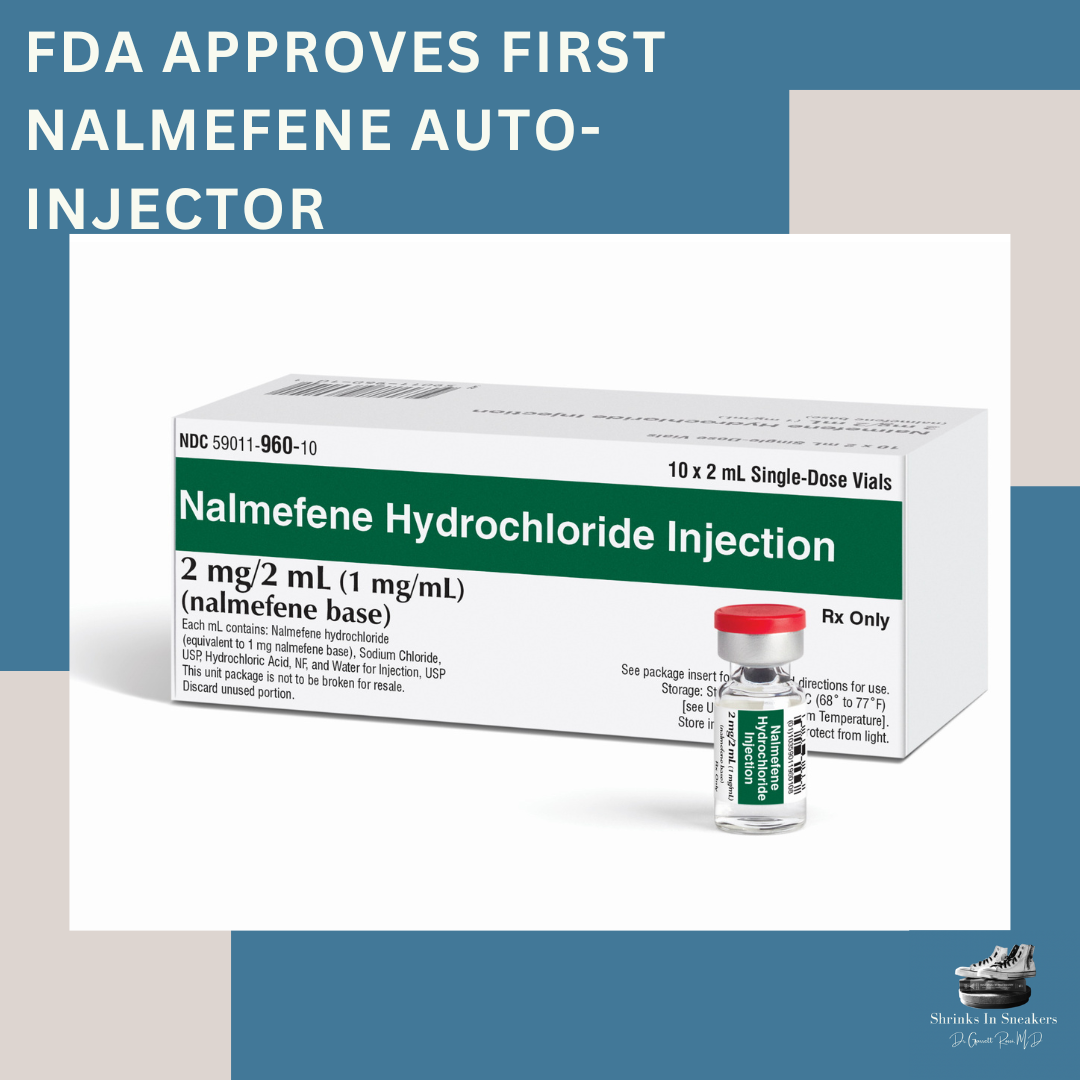
The FDA has just approved the first nalmefene auto-injector, a significant development in the fight against opioid overdoses. Nalmefene is an opioid antagonist, like naloxone, but with a longer duration of action. This new auto-injector is designed for easy use by non-medical personnel, making it accessible in emergency situations where time is critical.
The approval of this device reflects the ongoing need for effective tools to combat the opioid overdose, providing another layer of protection for individuals at risk of overdose. With its extended action, the nalmefene auto-injector offers a prolonged response compared to existing naloxone, especially in situations where multiple doses of naloxone might be required.
This innovation will play a crucial role in reducing overdose fatalities, offering hope to communities impacted by the opioid epidemic. As it becomes available, it is expected to be a vital addition to public health strategies aimed at saving lives.
I’ve had tremendous success with Electroconvulsive Therapy (ECT) in treating resistant depression (TRD). I’ve witnessed remarkable turnarounds, where individuals on the brink of despair have found new joy in life. Such rapid improvements are often not seen with medication alone.
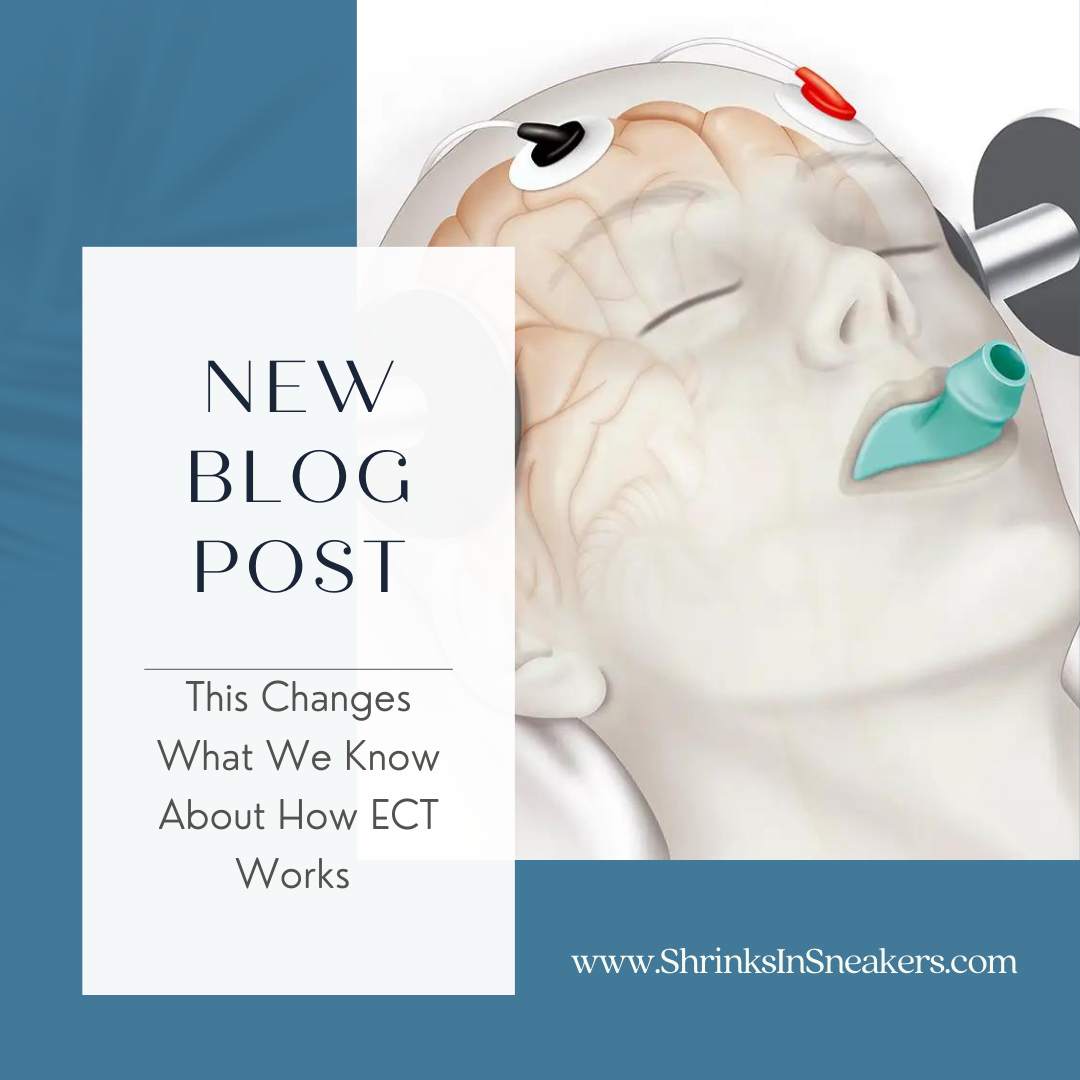
Until now, there have been various theories about how ECT works in treating depression. I’ve always viewed it as a combination of increased neuroplasticity, which allows new, more adaptive connections to form quickly, and a boost in all major monoamine neurotransmitters.
However, new research published in Translational Psychiatry suggests that aperiodic brain activity might be key to the improvements we see with ECT. There’s a significant increase in this type of brain activity after patients undergo ECT, which enhances inhibitory activity in the brain, effectively “pumping the brakes” and alleviating depressive symptoms.
Unfortunately, ECT remains one of the most stigmatized and underutilized treatments in psychiatry. It’s estimated that less than 1% of those with treatment-resistant depression (TRD) receive ECT—a disheartening statistic that contributes to depression’s status as a leading cause of disability.
For patients where medications have repeatedly failed, ECT can be a life-saving treatment. There are many compelling stories of lives transformed by ECT, but the public rarely hears them. We need to create more opportunities to share these powerful success stories.
The future of mental health care hinges on the education and training of the next generation of psychiatrists. As we face an ever-growing array of mental health challenges, it is imperative that we equip upcoming professionals with the knowledge, skills, and empathy necessary to make a profound impact on the lives of their patients.
The Evolving Landscape of Psychiatry
Psychiatry is a dynamic field, continually evolving as new research, treatments, and technologies emerge. From advancements in psychopharmacology to the integration of telepsychiatry, the landscape of mental health care is rapidly changing. To stay at the forefront of these developments, future psychiatrists must receive comprehensive and up-to-date education.
Comprehensive Training Programs
Effective training programs are essential to prepare future psychiatrists for the complexities of the field. These programs should encompass a wide range of topics, including neurobiology, psychopharmacology, psychotherapy, and cultural competence. By providing a well-rounded education, we can ensure that new psychiatrists are equipped to address diverse patient needs and offer holistic care.
Emphasis on Empathy and Communication
While technical knowledge is crucial, the human element of psychiatry cannot be overstated. Empathy, active listening, and effective communication are foundational skills that every psychiatrist must possess. Training programs must emphasize the importance of building strong therapeutic relationships, fostering trust, and understanding the unique experiences of each patient.
Encouraging Research and Innovation
The field of psychiatry thrives on innovation and research. Encouraging young psychiatrists to engage in research not only advances our understanding of mental health but also fosters a culture of curiosity and continuous learning. By supporting research initiatives and providing opportunities for scholarly exploration, we can inspire the next generation to push the boundaries of what is possible in mental health care.
Addressing Stigma and Promoting Mental Health Awareness
Education plays a critical role in combating the stigma associated with mental illness. By instilling a deep understanding of the social, cultural, and psychological factors that contribute to stigma, we can empower future psychiatrists to advocate for their patients and promote mental health awareness. This advocacy extends beyond the clinical setting, influencing public policy, community outreach, and broader societal attitudes.
Integrating Technology and Telepsychiatry
The COVID-19 pandemic has underscored the importance of telepsychiatry and digital health solutions. Training the next generation of psychiatrists to effectively utilize technology can expand access to care, especially in underserved areas. Familiarity with telepsychiatry platforms, digital diagnostic tools, and electronic health records will be essential for future practitioners.
Lifelong Learning and Professional Development
The journey of a psychiatrist does not end with formal education. Lifelong learning and professional development are essential to staying current with advancements in the field. Encouraging a culture of continuous education, through conferences, workshops, and peer collaboration, ensures that future psychiatrists remain well-informed and adaptable.
Conclusion
Educating the next generation of psychiatrists is not just about imparting knowledge; it is about shaping compassionate, innovative, and resilient professionals who will lead the charge in improving mental health care. By investing in their education, we are investing in the future well-being of individuals and communities worldwide. Let us commit to providing the highest quality training and support to those who will one day carry the torch of psychiatry forward.
When we think about patients who have trouble regulating strong emotions, it often begins with a genetic predisposition toward higher emotional sensitivity. These individuals experience emotions more intensely than the average person. Their feelings are easily triggered by seemingly minor stressors, and it takes them a long time to return to baseline after experiencing these emotions.
These patients frequently encounter more stressors than the average person, creating a cycle where they experience strong emotions, face excessive stressors, and struggle to re-regulate. This combination makes life particularly challenging for these individuals, who typically lack the tools to cope with their intense emotions effectively.
To exacerbate the situation, these patients often live in invalidating environments. They are surrounded by people who don’t understand how distressing it can be to live this way, leading to the development of maladaptive coping strategies. Family and friends may perceive them as “overly emotional or irrational,” dismissing the severity of their emotional states. As a result, behaviors such as self-injury, drug use, eating disorders, and suicidal tendencies can emerge.
Support from family and friends is often only provided once these maladaptive behaviors have escalated, inadvertently reinforcing these behaviors as useful coping mechanisms. By understanding the underlying genetic and environmental factors contributing to affective dysregulation, we can better support these patients and help them develop healthier ways to manage their emotions.
In the fast-paced world of modern healthcare, it’s not uncommon to encounter individuals who don’t fit neatly into specific psychiatric diagnoses. Recently, I’ve noticed a significant number of patients who, despite not having bipolar disorder or depression, still experience considerable distress. Many of these individuals have endured severe trauma, including sexual abuse, and have a history of self-injurious behavior. I refer to these patients as affectively dysregulated, a term that, while not perfect, attempts to capture their unique experiences.
Treating these individuals is particularly challenging because their core symptoms and experiences often can’t be effectively managed with pharmaceutical drugs. Instead, they require intense psychotherapy, which is typically difficult to find and expensive. This situation often leaves affectively dysregulated patients with few options, leading them to engage in self-harm and seek admission to inpatient hospitals. Unfortunately, this creates a vicious and dangerous cycle, as inpatient units are usually focused on acute stabilization rather than providing the long-term care these patients need.
When evaluating these patients, I try to emphasize the limited efficacy of medications in treating affective dysregulation and instead focus on coping strategies, especially during periods of intense distress. Here are some strategies that can be helpful:
Deep Breathing Exercises: Practicing deep, slow breathing can help calm the nervous system and reduce feelings of panic and anxiety.
Grounding Techniques: Grounding involves using the five senses to reconnect with the present moment. This can include focusing on the feeling of your feet on the ground, listening to ambient sounds, or touching a familiar object.
Mindfulness and Meditation: Mindfulness practices encourage staying present and accepting one’s emotions without judgment. Meditation can also help in cultivating a sense of inner peace and stability.
Physical Activity: Engaging in physical exercise, whether it’s a walk, yoga, or a more intense workout, can help release built-up tension and improve mood.
Creative Outlets: Activities like drawing, painting, writing, or playing music can provide an emotional release and a way to express feelings that might be difficult to articulate otherwise.
Social Support: Talking to friends, family, or support groups can provide comfort and perspective. It’s essential to feel understood and not alone in your struggles.
Professional Help: Seeking therapy from a qualified mental health professional can provide structured support and coping mechanisms tailored to individual needs.
Healthy Distractions: Engaging in hobbies or activities that you enjoy can provide a temporary respite from overwhelming emotions.
Self-Compassion: Practicing kindness towards oneself, especially during tough times, can reduce self-criticism and foster a sense of resilience.
Safety Planning: Having a safety plan in place, which includes identifying triggers, safe people to contact, and safe places to go, can be crucial during times of crisis.
It’s crucial to remember that coping strategies are highly individual, and what works for one person might not work for another. Encouraging patients to explore and find what resonates with them is key. By focusing on these strategies, we can provide affectively dysregulated patients with the tools they need to manage their distress and break the cycle of self-harm and hospital admissions.
This short post came about from a conversation with my residents. We often see patients who have a complete lack of community. A great book on the topic by Sebastian Junger “Tribe” which talks about finding a community or tribe of people and building that support network. We joked that in our area neighbors don’t even say hello to each other.
In the past, communities were an integral part of our lives, with grandparents, parents, and other supportive individuals living in close proximity. These communities provided a sense of watchfulness, love, and valuable life lessons. When surrounded by a strong community, the constant negative dialogue in our minds diminishes. This negative self-talk often leads to stress and anxiety, which can have harmful effects on our physical health, such as increased blood pressure, decreased immune function, and elevated cortisol levels. Over time, these physical responses can be detrimental to both body and mind, leading to emotional distress.
We are all on our own journeys, and while some may be further along than others, the journey is never truly complete for anyone who is still alive.
The FDA’s decision to reject MDMA (methylenedioxymethamphetamine) for medical use typically stems from various concerns related to safety, efficacy, and potential for abuse.
Background
MDMA is primarily known as a recreational drug, often associated with rave and party scenes. However, it has been studied for its potential therapeutic benefits, particularly in the treatment of post-traumatic stress disorder (PTSD) and other mental health conditions.
Safety Concerns
Neurotoxicity: Research has shown that MDMA can be neurotoxic, causing damage to serotonin-producing neurons in the brain. This can lead to long-term cognitive deficits, including memory problems and mood disorders.
Cardiovascular Risks: MDMA increases heart rate and blood pressure, which can pose significant risks to individuals with underlying heart conditions. The stimulant effect can lead to hyperthermia (overheating) and dehydration.
Acute Toxicity: Overdose can lead to severe hyperthermia, serotonin syndrome, and even death. The narrow therapeutic window between a therapeutic dose and a toxic dose is a significant concern.
Efficacy Concerns
Clinical Trial Results: While there have been promising results in some clinical trials, the FDA requires extensive, well-controlled studies to confirm a drug’s efficacy. If trials do not meet these rigorous standards, the FDA may not approve the drug.
Long-term Benefits: The long-term efficacy of MDMA therapy is still uncertain. While short-term benefits have been observed, there is a need for more data on the sustainability of these effects.
Potential for Abuse and Addiction
Recreational Use: MDMA is widely used recreationally, which increases the potential for misuse and addiction. The FDA must consider the risk of the drug being diverted for non-medical use.
Dependence: There is evidence that regular use of MDMA can lead to psychological dependence, and managing this risk is crucial in the context of medical approval.
Regulatory and Ethical Considerations
Ethical Concerns: The use of a psychoactive substance in a therapeutic setting raises ethical questions, particularly regarding informed consent and the management of potential adverse effects.
Regulatory Framework: The FDA has stringent requirements for approving new medications, including ensuring that benefits outweigh risks. For a drug like MDMA, where the risks are significant, the bar for approval is high.
Conclusion
The FDA panel recently rejected the use of MDMA-assisted psychotherapy for treating PTSD, marking a significant setback for advocates of this treatment approach. The advisory committee, in a vote of 9-2, concluded that the current evidence does not support the effectiveness of MDMA in treating PTSD. Additionally, they voted 10-1 against the benefits of MDMA therapy outweighing its risks.
Several key concerns led to this decision. Firstly, issues were raised about the integrity and validity of the clinical trials conducted by Lykos Therapeutics, including potential biases, functional unblinding, and allegations of misconduct. The panel also highlighted gaps in the data, particularly regarding the potential for abuse and adverse cardiovascular events associated with MDMA.
Despite the panel’s recommendation, the FDA is not obligated to follow their advice, though it often does. The outcome has disappointed many proponents of MDMA-assisted therapy, who argue that the treatment could provide much-needed relief for PTSD patients who have not benefited from existing therapies.
The diagnosis and treatment of attention deficit hyperactivity disorder (ADHD) is well established in the field of psychiatry. Not only is it well accepted, but ADHD has dramatically increased over the past 10 years. Some would even say it’s an epidemic in its own right. The use of psychostimulants as a treatment is common practice, and today we are here to discuss the risk of neurotoxicity with ADHD medication.
What Are Psychostimulants
Psychostimulants include methylphenidate (MPH) and mixed amphetamine salts such as Adderall. These remain the most effective and widely used medications for the treatment of ADHD. These medications function by blocking the dopamine reuptake transporter and increase dopamine stimulation at the postsynaptic receptors. These medications work to increase attention and reduce impulsivity but the long-term implications of consistent use are largely unknown.
Substance Use and Stimulant Prescribing
Most lines of evidence in the literature indicate that these medications do not promote substance use later in life and may even decrease the potential for future substance abuse. I’ve also found lines of evidence that indicate the opposite, but the general consensus in the field is that there is not increased risk for future substance abuse. We do know that drugs that function in a similar manner to these medications result in molecular and structural changes to neurons. It is unknown if this also occurs with stimulant medications used to treat ADHD.
Neuronal Effects of Amphetamine
Methamphetamine is a known neurotoxin and several studies have indicated this in animal models. Recently exposure to amphetamine has been sown to cause impairments on the development of dendritic branching up to 3 months after stopping methylphenidate. In mice there is evidence that MPH use causes loss of dopamine neurons in the substantia nigra which may increase the risk of Parkinson’s disease. Other groups have shown alterations in nerve growth factors and brain derived neurotrophic factor in the frontal cortex after chronic MPH use. When neurons from the prefrontal cortex are exposed to MPH it alters their electrical activity. MPH was found to reduce electrical activity and it persists in a dose dependent fashion even 10 weeks post exposure. In rats the use of MPH is associated with decreased response to normal stimuli and increased response to adverse stimuli. We need to be careful extrapolating this information to humans as these studies were conducted in animal models.
Treating agitation is a big part of inpatient and emergency psychiatric treatment. In the emergency department agitation accounts for 2.6% of total patient encounters. Knowing which medications to use and how to use them is critically important. Today I’m going to discuss all the options for the treatment of acute agitation in clinical practice.
What is Agitation?
Agitation is an extreme form of arousal that is associated with increased verbal and motor activity that poses a threat to themselves and others. Agitation needs to be recognized immediately and addressed due to the risk of harm to the patient and others.
Verbal De-escalation is Always The First Step
Engaging the patient and attempting to elicit a reason for the agitation should always be attempted first. In many cases patients are hungry, tired, or overly stimulated by the busy inpatient or ED setting. If these interventions are unsuccessful and the patient remains agitated security staff lead by the physician should inform the patient that if the behavior continues medication will be administered for safety purposes.
Thinking About Medication
Sometimes using medication is unavoidable and is required to facilitate a medical evaluation. We need to be mindful of the potential adverse events associated with sedating medication. The most common adverse effects are hypoxia, airway obstruction, QTc prolongation, bradycardia, and hypotension. Patients over the age of 65, alcohol intoxication, and multiple medication administrations in a short period of time increases the risk of adverse events.
Routes of Administration
It’s always best to offer PO (oral) medication prior to using IM or IV medications. In the inpatient setting we do not allow IVs due to the potential risk of self-harm; IM medication is second route of administration commonly used. I will usually use risperidone 2 mg or olanzapine zydis 10 mg because it begins dissolving immediately once the person puts it in their mouth in both cases. Oral medications can be “cheeked” and will also take longer to start working. In general, it’s important to note the onset of PO medication will be slower. Antipsychotic medications and benzodiazepines are commonly used for sedation in acute agitation.
First Generation Dopamine Blocking Medications
These medications have been around for a long time and have a good safety profile when used to treat acute agitation. Some antipsychotics have the risk for more side effects due to their ability to lower seizure threshold, cause hypotension, and have an increased anticholinergic burden.
Haloperidol
This is the go-to antipsychotic for acute agitation. It works by blocking D2 receptors and can be given PO, IM, or IV. Typical dosing is 2.5 to 10 mg with a recommended maximum dose of 20 mg/day. The average time to sedation is 25-28 minutes and the mean total time sedated is 84-126 minutes. The main risk for haloperidol is EPS such as acute dystonic reactions. To avoid this situation, we usually combine Haldol with lorazepam or benztropine/diphenhydramine. Haldol is also well studied and relatively staff for those who are acutely intoxicated with alcohol.
Chlorpromazine
I will usually go to chlorpromazine when I need someone to sleep such as cases of mania with acute agitation. I find it to be a little more sedating and it can be combined with diphenhydramine. Doses can range from 25 mg to 200 mg depending on the level of severity. The maximum dose is 400 mg/day.
Second Generation Dopamine Blocking Medication
Second generation medications have the added advantage of lower risk for QTc prolongation, less sedation, and fewer extrapyramidal symptoms compared to the first-generation options.
Olanzapine
Olanzapine comes in PO, IM, and IV forms, and the typical starting dose is 10 mg. Olanzapine reaches peak concentration in 15-45 minutes and its half-life is 2-4 hours. The incidence of EPS is much lower than injectable haloperidol. There is very rare incidence of QTc prolongation. There is some evidence that 10 mg of olanzapine is more effective than 5 mg of haloperidol for sedation and that most patients are adequately sedated at 15 minutes after administration of 10 mg olanzapine compared to 5 mg and 10 mg of haloperidol.
It’s important to note that multiple studies have demonstrated adverse events when olanzapine is combined with benzodiazepines. Although the risk may be overstated it’s best to avoid this combination unless necessary. Olanzapine is highly anticholinergic and should be avoided in cases where anticholinergic overdose is suspected.
Ziprasidone
Ziprasidone is a second-generation medication that is available in either PO or IM formulations. The PO form of the medication has little utility in acute agitation, but the IM version can be useful. Time to onset of effect is usually 15-20 minutes and it reaches peak concentrations in 30-45 minutes. The duration of sedation is at least 4 hours. Ziprasidone carriers the highest risk of second-generation medications for QTc prolongation
Risperidone
Data for risperidone in acute agitation is limitted. It does have the advantage of coming as an oral disintegrating tablet. In most cases I would administer 2-4 mg depending on the severity of symptoms. It can be a good option for patients with psychotic agitation due to paranoid delusions. It’s a good option for elderly patients and pregnant patients who can take PO medication.
Benzodiazepines
Benzodiazepines are another good choice when it comes to rapid treatment of acute agitation. Benzodiazepines do carry the risk of creating a paradoxical reaction in the elderly, but it’s relatively rare and seen in only 1% of cases. Flumazenil (benzodiazepine blocker) can be used to counteract this paradoxical reaction if needed. There is risk for respiratory depression especially in those who are already on central nervous system depressants. If withdrawal is suspected from benzodiazepines or alcohol, this is the first line option for treatment.
Lorazepam
Lorazepam is available in IV, IM, and PO formulations. The typical dosing is 0.5-2 mg IM or PO. This medication can be given every 30 minutes up to a maximum dose of 12 mg/day. Lorazepam is longer acting than midazolam and has an average time to adequate sedation of 32 minutes.
Midazolam
Midazolam is available in IM formulation and the typical dosing begins at 2-5 mg. The average time to sedation is 13-18 minutes for the IM formulation. When given IM the total time of sedation is between 82-105 minutes. Midazolam offers the advantage over lorazepam because it’s onset of action is faster. Midazolam also works faster than haloperidol or ziprasidone. The duration of sedation is also shorter.
Medication Combinations
In most cases these medications will be used in combination to maximize their effects. The most well-known is the so called B52 which consists of Haloperidol 5 mg, Lorazepam 2 mg, and diphenhydramine 50 mg. The idea here being 50, 5, and 2 are the doses and B52 because it’s like the B52 bombers when it comes to sedation. I also often combine chlorpromazine and olanzapine with 50 mg of diphenhydramine in the IM formulations. For PO risperidone you can combine it with PO lorazepam and diphenhydramine if needed. With ziprasidone I will usually give this one alone without lorazepam or diphenhydramine.
Physical Restraints
The utilization of physical restraints may be necessary when safety is a major concern. In some cases, verbal de-escalation, and medication are not enough. The problem is physical restraints can lead to injury for both the patient and staff. Patients who continue to fight against the restraints can have a complication known as rhabdomyolysis where the muscles are literally breaking down from the person fighting against the restraints. Sedation should always be provided when physical restraints are used. What happens if a person is given high doses of sedating medications and placed in psychical restraints but remains agitated?
Special Cases
It’s rare but I have had two clinical scenarios where an individual was placed in restraints given multiple doses of medications and remained severely agitated. Due to concern for the patient’s safety and risk of rhabdomyolysis I had to transfer each of these cases to the medical floor for IV dexmedetomidine (Precedex) which is commonly used to sedate patients in the intensive care unit who are intubated. After a short course of Precedex treatment each patient’s agitation resolved. There is now a rapidly dissolving film of dexmedetomidine available for acute agitation in bipolar disorder and schizophrenia, so I guess I was ahead of the times when I made these clinical decisions.
Conclusion
Agitation is a complicated and multifactorial process that requires quick action. To maintain safety, agitation needs to be quickly identified and managed. Verbal de-escalation and comfort measures should always be the starting point. If medications are required there are several individual and combinations that can be selected based on the clinical situation. When all else fails physical restraints remain a possibility until medications have had time to reach peak concentrations and effectiveness.
Stage 1: more than one adequate trial of 1 major class of antidepressants
Stage 2: Failure of more than 2 adequate trials of two different classes of antidepressants
Stage 3: stage 2 + TCA
Stage 4: Stage 3 + MAOI
Stage 5: Stage 4 + bilateral ECT
With every medication or neuromodulation procedure used that doesn’t work, the more treatment resistant the depression becomes.
Antidepressant Response Rates
Frist Medication Trial: 50% respond and 37% have remission
Second Medication Trial: Another 29% respond and 31% have remission
Third Medication Trial: 17% respond and 14% have remission
Fourth Medication Trial: 16% respond and 13% have remission
The overall cumulative remission rates are 67%, keeping in mind that people who progressed through more treatment stages had higher relapse rates and more residual symptoms including anhedonia, emotional blunting, and lack of motivation.
If someone is having a poor response to medication, what do you do?
We know that bipolar disorder is missed in a significant number of patients who present with depression about one in five will be misdiagnosed. We also know that antidepressants can be mood destabilizing in bipolar illness resulting in mixed features and rapid cycling. Other things that can interfere with response include substance use disorder, personality traits, and PTSD.
Medical Comorbidities that can interfere with antidepressant response include hypothyroidism, Cushing disease, Parkinson’s disease, cancer, vitamin/nutritional deficiencies, and viral infections
Psychosocial factors that contribute to treatment resistance
-Female sex
-Older Age
-Single Unmarried (happiness studies indicate that good relationships are very important)
-Unemployment
Symptoms that make TRD more Likely
-Recurrent episodes usually 3 or more
-Severe depression and inpatient admission
-Anxiety, Insomnia, or Migraine
When Your First Choice Fails
There are several approaches
-Switch antidepressant classes
-Combine antidepressants
-Add a dopamine blocking medication
-Add L-methylfolate
-Add Psychotherapy
-Start Neuromodulation
What’s the most effective strategy
Hands down the most effective thing to do if a patient has a poor response to the initial antidepressant treatment is to add a dopamine blocking medication. Response and remission rates are much higher, but it comes at the price of increased side effect potential.
What are the most used Dopamine Blockers in Antidepressant Augmentation
-Quetiapine
-Olanzapine
-Risperidone
-Aripiprazole
-Ziprasidone
Older patients 65 years and older respond better to aripiprazole augmentation than switch to bupropion, or combination with bupropion.
Brexpiprazole: 1-3 mg/day Adjunctive for Depression
Most Common Concerns patients have about being on dopamine Blocking Medication
-Weight gain 60% of people report this concern
-Metabolic side effects
-EPS
-Sedation
-Akathisia
-Prolactin-related Effects
Anti-Inflammatory Medications
For those with elevated inflammatory biomarkers specifically c-reactive protein there is some emerging evidence that these treatments work.
-Medications like Celecoxib, Omega-3 fatty acids, statin drugs and minocycline
-Weight loss
-Effect Size: 0.55
-Higher response and remission rates
-May only work in those with high inflammatory biomarkers
Glutamate Modulators
-Ketamine Infusions and Esketamine: both work and a reasonable option if TRD
-There are several medications in development
Psychotherapy in TRD
Unfortunately, what we find with TRD is psychotherapy does not prevent TRD, it doesn’t mean there is no benefit it just means future episodes will not be prevented by psychotherapy. On its own, psychotherapy may not be as helpful as we would like in TRD but when combined with medication it does help. That tells us about the importance of evaluating severity of depressive episode.