Tag: medication

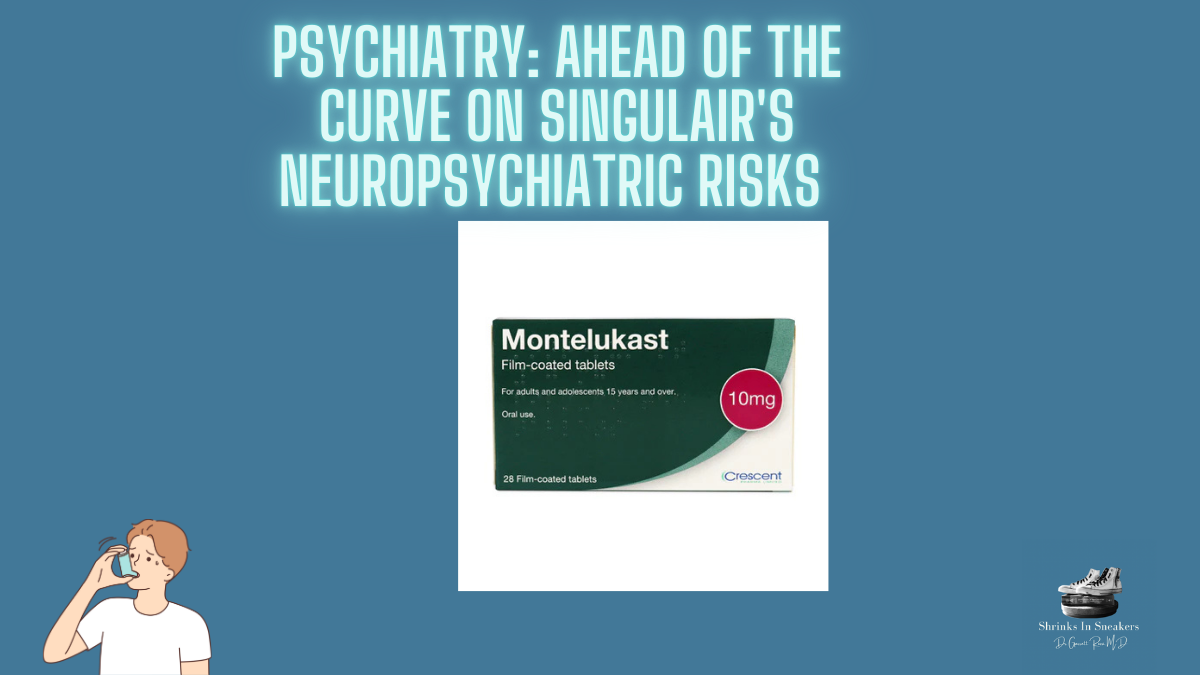
  • Psychiatry: Ahead of the Curve on Singulair’s Neuropsychiatric Risks

    Psychiatry: Ahead of the Curve on Singulair’s Neuropsychiatric Risks

    Psychiatry is often criticized for being “late to the table” when it comes to recognizing the broader impacts of medical treatments. However, in the case of Singulair (montelukast), psychiatry has been aware of its potential neuropsychiatric effects for quite some time.

    Singulair, widely used for asthma and allergic rhinitis, has long been associated with side effects such as mood changes, anxiety, depression, and even suicidality. This connection has been documented for years, yet the broader medical community and regulatory bodies have taken time to fully address these risks.

    Recently, the FDA issued a new warning aimed at heightening awareness of montelukast’s neuropsychiatric side effects. This update emphasizes the importance of assessing the risk-benefit ratio, particularly for patients with mild conditions where alternative treatments may suffice.

    Psychiatry’s Role

    Psychiatrists have long recognized and documented cases where montelukast seemed to exacerbate or trigger psychiatric symptoms. Many of us have seen patients whose mood instability or new-onset anxiety correlated with starting the medication, leading to its discontinuation and subsequent symptom improvement.

    Why This Matters

    This development underscores the value of psychiatry’s vigilance in identifying patterns that might initially go unnoticed in other fields. It’s also a reminder of the importance of collaboration between specialties to ensure patient safety.

    Key Takeaways:

    • Patients and families: Be aware of the potential neuropsychiatric side effects of montelukast. Monitor mood, sleep, and behavior changes closely, especially in children.
    • Clinicians: Always evaluate the necessity of montelukast in mild cases and consider alternatives when possible. Open conversations with patients about these risks can be life-saving.
    • Psychiatrists: Continue advocating for the recognition of neuropsychiatric risks in non-psychiatric medications. Our input is crucial in ensuring patient safety.

    Psychiatry wasn’t late to this table. In fact, we may have set it.

  • Abrupt Discontinuation of Buprenorphine and Risk of Psychosis: Clinical Considerations

    Abrupt Discontinuation of Buprenorphine and Risk of Psychosis: Clinical Considerations

    This post is inspired by a real case from my practice involving a patient with no significant past psychiatric history but a strong history of substance use, including opioids and cocaine. The patient had been on buprenorphine maintenance therapy for several decades, providing stability in their recovery. However, following an abrupt discontinuation of buprenorphine, the patient developed acute psychotic symptoms. This case highlights an uncommon but important phenomenon clinicians should be aware of when managing buprenorphine discontinuation, especially in individuals with a history of substance use.

    Emerging evidence suggests that abrupt discontinuation of buprenorphine may induce psychosis in some individuals, though this appears to be a relatively uncommon occurrence. Here are the key findings:

    Documented Cases

    • New-onset psychotic symptoms have been reported after sudden cessation of buprenorphine in patients with no prior psychosis.
    • Common symptoms include auditory hallucinationsparanoid ideation, and delusions of reference.
    • Psychotic symptoms typically emerge within days to weeks after discontinuation.

    Potential Mechanisms

    1. Loss of buprenorphine’s antipsychotic effects through kappa-opioid receptor antagonism.
    2. Interaction between neurobiological vulnerabilities and the stress of withdrawal.
    3. Possible unmasking of latent psychotic disorders.

    Risk Factors

    • History of substance use.
    • Early adverse life events.
    • Underlying psychiatric conditions (e.g., bipolar disorder).

    Outcomes and Management

    • Symptoms may resolve in weeks to months, though some cases persist longer.
    • Reintroduction of buprenorphine has led to symptom remission in some cases, suggesting a causal relationship.
    • Gradual tapering of buprenorphine might mitigate this risk, though more research is needed.

    Clinical Implications

    Clinicians should remain vigilant when discontinuing buprenorphine, especially in individuals with risk factors for psychosis. A gradual tapering strategy is recommended to reduce potential risks, though further studies are necessary to guide best practices.

    Understanding this phenomenon highlights the importance of individualized care when managing buprenorphine discontinuation in vulnerable populations.

  • Bupropion and Bipolar Depression: Good Idea or Bad Idea 

    Bupropion and Bipolar Depression: Good Idea or Bad Idea 

    Bupropion, an atypical antidepressant with dopaminergic and noradrenergic activity, has been evaluated for use in bipolar depression through several studies, including double-blind, randomized controlled trials (RCTs).

    1. Sachs et al. (2007) – In this multicenter trial, 179 patients with bipolar disorder (bipolar I or II) and depressive episodes were randomized to receive either bupropion, sertraline, or venlafaxine as adjunctive therapy to mood stabilizers (e.g., lithium, valproate) over 26 weeks. The study found that bupropion had a similar efficacy profile to the other antidepressants, with a response rate of about 40%. Importantly, bupropion had a relatively low rate of inducing manic or hypomanic episodes, which was around 7%, lower than venlafaxine but comparable to sertraline.
    2. El-Mallakh et al. (2008) – This smaller study focused on the use of bupropion in bipolar II depression. It suggested that bupropion can effectively reduce depressive symptoms without significantly increasing the risk of switching to mania, although the study size was limited, and larger trials were recommended.
    3. Systematic Reviews and Meta-analyses – A review by Gijsman et al. (2004) included a number of RCTs that assessed antidepressants in bipolar depression. While bupropion was included, the overall conclusion was that the risk of treatment-emergent affective switch (TEAS) was lower compared to tricyclic antidepressants, but comparable to other selective serotonin reuptake inhibitors (SSRIs). However, bupropion was noted for having a more favorable side effect profile, especially concerning sexual dysfunction and weight gain.

    In general, while double-blind RCTs suggest that bupropion can be effective for bipolar depression, its most notable benefit is its relatively low risk of triggering manic episodes compared to other antidepressants. The data supports its use as an adjunct to mood stabilizers, but careful monitoring is still necessary with a mood stabilizing agent in place, as switching to mania, though less frequent, remains a risk.

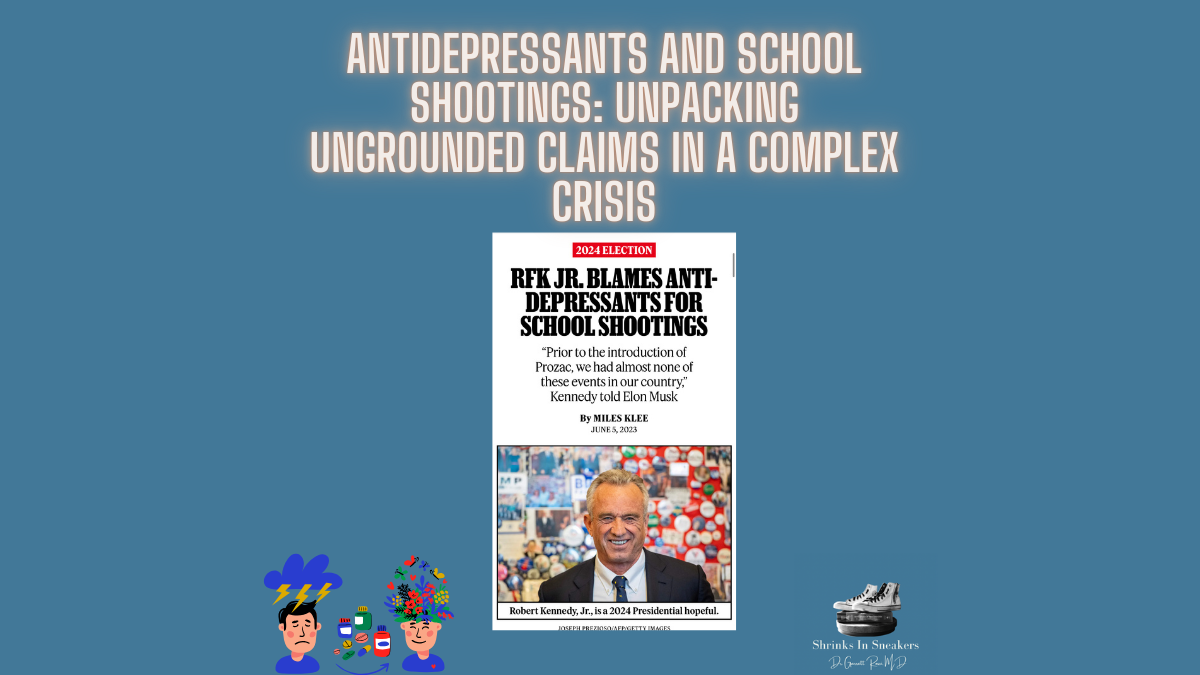
  • Antidepressants and School Shootings: Debunking Ungrounded Claims in a Complex Crisis

    Antidepressants and School Shootings: Debunking Ungrounded Claims in a Complex Crisis

    In times of societal turmoil, it’s natural for people to search for reasons behind tragedies. However, as scientists and clinicians, it’s our duty to address myths with evidence and guide public discourse toward meaningful solutions. Linking antidepressants to school shootings oversimplifies a multifaceted problem, diverts attention from real issues, and perpetuates harmful misconceptions.

    Understanding the Evidence

    1. FDA Warnings and Black Box Labeling

    • In 2004, the FDA introduced black-box warnings on antidepressants, citing an increased risk of suicidal thoughts and behaviors in individuals under 25 during the early stages of treatment.
    • While well-intentioned, this warning has inadvertently reduced antidepressant use in some cases, leading to untreated depression and potentially worse outcomes.

    2. Aggression and Behavioral Changes

    • Rare case reports describe paradoxical effects like increased irritability or aggression, but these reports are anecdotal and often involve patients who may have undiagnosed conditions, such as bipolar disorder.
    • Case reports represent the lowest level of scientific evidence. They highlight rare phenomena but cannot establish causation.

    3. Lack of Causal Evidence

    • Comprehensive studies and meta-analyses have consistently failed to find a causal link between antidepressants and violent behavior.
    • On a broader scale, antidepressant use is associated with reduced rates of violent crime and suicide, underscoring their therapeutic benefits in managing mental health conditions.

    4. School Shootings: A Multifactorial Crisis

    • These tragic events are exceedingly rare and result from a confluence of factors, including access to firearms, social isolation, trauma, and untreated psychiatric illnesses.
    • Simplistic narratives blaming antidepressants ignore the broader societal and systemic issues at play.

    5. Public Concern and Media Narratives

    • High-profile cases have sometimes involved individuals prescribed antidepressants. However, media narratives often amplify anecdotal links without rigorous scientific backing, fueling public fears unnecessarily.

    Current Recommendations

    • Clinicians continue to weigh the risks and benefits of antidepressants, particularly in younger populations, while emphasizing close monitoring during treatment initiation.
    • Effective treatment typically combines medication with psychotherapy, a holistic approach proven to reduce risks and improve outcomes.

    Call to Action

    Rather than succumbing to fear-driven narratives, we must focus on evidence-based solutions for mental health care, responsible gun ownership, and addressing social determinants of violence. Antidepressants save lives when used appropriately and should not be scapegoated for society’s broader challenges.

    By addressing myths with facts, we can foster more informed and productive discussions on preventing violence and supporting mental health.

  • Hallucinogens: A Trip Not Everyone Should Take

    Hallucinogens: A Trip Not Everyone Should Take

    The recent JAMA Psychiatry study, Emergency Department Visits Involving Hallucinogen Use and Risk of Schizophrenia Spectrum Disorder, explored a notable increase in emergency department (ED) visits related to hallucinogen use, with a focus on potential links to the onset of schizophrenia spectrum disorders.

    Key Findings:

    1. Rise in Hallucinogen-Related ED Visits:
      • The number of ED visits due to hallucinogens, including LSD, psilocybin, and MDMA, has significantly risen, particularly among younger populations. This aligns with changing perceptions of these substances in some parts of society.
    2. Connection to Schizophrenia Spectrum Disorders:
      • Individuals who presented at EDs for hallucinogen-related issues were found to have a higher risk of later developing schizophrenia spectrum disorders. The study suggests a potential association between hallucinogen use and triggering or exacerbating underlying psychiatric vulnerabilities.
    3. Demographic Insights:
      • The rise in hallucinogen use and related health complications appears to disproportionately affect young adults and men. These groups may face greater risks due to higher consumption rates and potential genetic predispositions to mental health disorders.
    4. Clinical Implications:
      • Emergency physicians and mental health professionals are encouraged to screen for hallucinogen use during ED visits, particularly in individuals showing early signs of psychosis. Early identification and intervention may help mitigate long-term mental health outcomes.

    This study emphasizes the importance of public health strategies addressing hallucinogen use, including education on potential risks and the establishment of protocols to identify and treat associated psychiatric conditions.

    Link to the article: https://jamanetwork.com/journals/jamapsychiatry/article-abstract/2825649

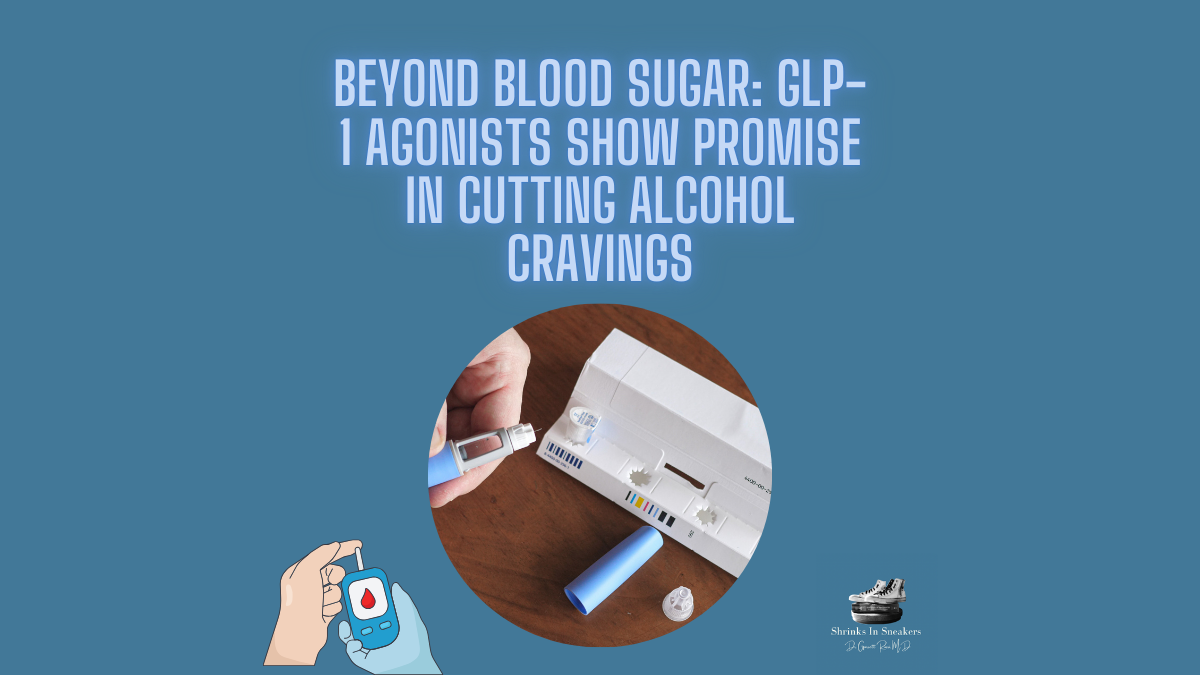
  • Beyond Blood Sugar: GLP-1 Agonists Show Promise in Cutting Alcohol Cravings

    Beyond Blood Sugar: GLP-1 Agonists Show Promise in Cutting Alcohol Cravings

    Recent research in JAMA and JCI Insight on repurposing GLP-1 receptor agonists, particularly semaglutide and liraglutide, for Alcohol Use Disorder (AUD) shows promise.

    1. Mechanism of Action: Semaglutide and liraglutide, commonly used to manage diabetes and obesity, activate the GLP-1 receptor, which plays a role in satiety and reward pathways. This activation has shown to suppress the rewarding effects of alcohol, aligning with existing data on the overlap between mechanisms regulating food intake and addictive behaviors.
    2. Preclinical Findings: In rodent models, semaglutide reduced alcohol intake in a dose-dependent manner, with promising results across both binge drinking and alcohol-dependent models. Compared to other GLP-1 agonists, semaglutide’s potent binding and prolonged action make it a strong candidate for further study.
    3. Clinical Potential: The findings provide a foundation for testing semaglutide in clinical trials for people with AUD, where it could potentially serve as an alternative to traditional treatments by targeting alcohol cravings and reducing consumption patterns in those with AUD.

    The promising preclinical data suggests that further investigation could potentially lead to semaglutide as a viable treatment for AUD, adding to the treatment options for substance use disorders that overlap with metabolic disorders. This research is ongoing, and clinical trials may help solidify its role in AUD treatment in the future.

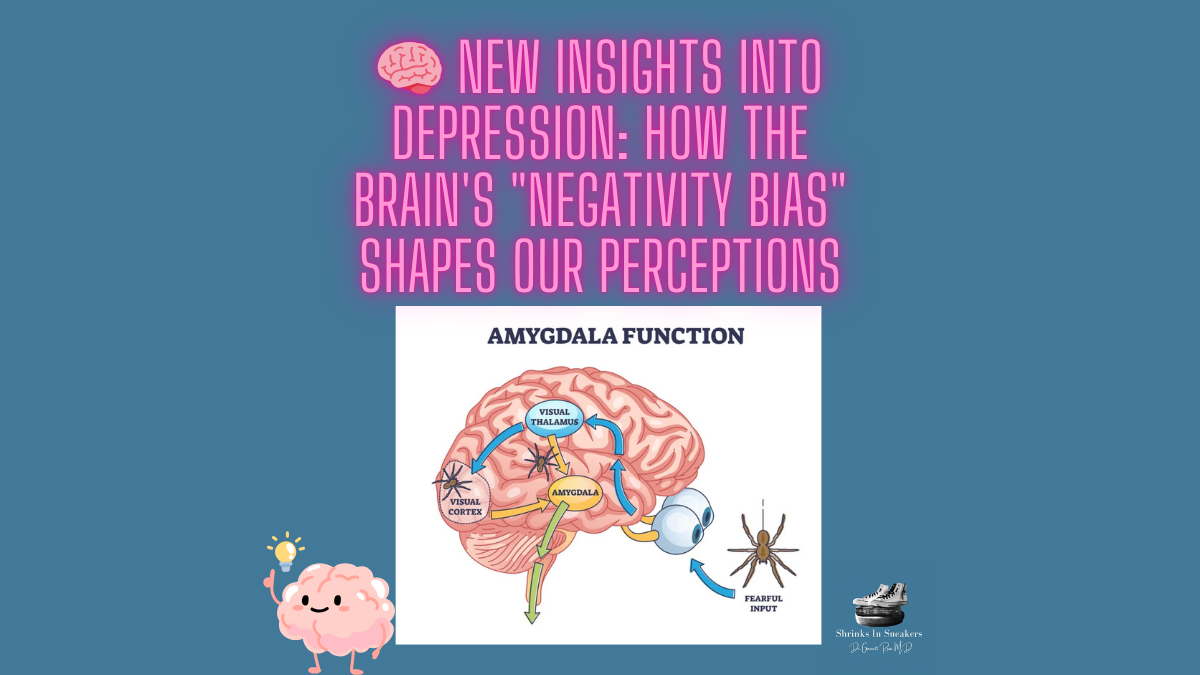
  • 🧠 New Insights into Depression: How the Brain’s “Negativity Bias” Shapes Our Perceptions

    🧠 New Insights into Depression: How the Brain’s “Negativity Bias” Shapes Our Perceptions

    Did you know that in depression, the brain’s wiring can actually amplify negative experiences? Recent research from the Institut Pasteur and collaborators explored this phenomenon, finding that depression alters specific neurons in the amygdala. These changes can reduce activity in neurons that process positive stimuli while overactivating those that process negative stimuli. This “negativity bias” means people with depression often perceive even neutral events through a negative lens.

    In studies with mouse models of depression, activating neurons responsible for positive perceptions helped reduce depressive behaviors. This groundbreaking discovery could pave the way for new treatments aimed at rebalancing these circuits, especially for people who don’t respond to conventional therapies.

    By understanding depression’s effects on the amygdala, researchers hope to develop more targeted and effective therapies for those resistant to current treatments. This is a step toward a more personalized approach to mental health.

    link to the article: https://pmc.ncbi.nlm.nih.gov/articles/PMC10963437/

  • New Strategies to Slow Cognitive Loss in Major Depression

    New Strategies to Slow Cognitive Loss in Major Depression

    📢 New Publication Alert in JAMA Psychiatry 🧠📄

    Today’s issue of JAMA Psychiatry highlights an important breakthrough study titled: “Slowing cognitive decline in major depressive disorder and mild cognitive impairment: A randomized controlled trial.”

    This publication reveals the primary findings from the PACt-MD study (Prevention of Alzheimer’s dementia with Cognitive remediation plus transcranial direct current stimulation in Mild cognitive impairment and Depression). This large-scale RCT examined whether combining cognitive remediation therapy (CRT) with transcranial direct current stimulation (tDCS) could effectively slow cognitive decline in individuals with both mild cognitive impairment (MCI) and major depressive disorder (MDD).

    Key Findings:

    • The combination of CRT and tDCS showed promising effects in decelerating cognitive decline in patients with MCI and MDD.
    • Improved cognitive outcomes were observed in specific areas such as memory, executive function, and attention compared to control groups.

    Why This Matters: Cognitive impairment is a critical concern in both MCI and MDD, often leading to functional decline and increased dementia risk. This study provides valuable insights into non-pharmacological approaches to mitigate cognitive deterioration in high-risk populations.

    🔍 Stay tuned for more on the methodology and detailed results. This could open doors to novel, accessible interventions for those at risk of Alzheimer’s and cognitive impairment.

    Artile lonk: https://pubmed.ncbi.nlm.nih.gov/32568198/

  • Cobenfy: New Insights into Efficacy and Comparative Impact on Schizophrenia Symptoms

    Cobenfy: New Insights into Efficacy and Comparative Impact on Schizophrenia Symptoms

    Overall Efficacy

    • Effect Size: Cobenfy’s overall efficacy on the Positive and Negative Syndrome Scale (PANSS) stands at an effect size of 0.6, which is higher than many established antipsychotics (typically 0.3-0.5). However, clozapine still leads as the gold standard, with effect sizes ranging from 0.76 to 1.0.
    • NNT (Number Needed to Treat): The estimated NNT for Cobenfy is around 4, placing it in the mid-range among antipsychotics, where NNTs often range from 3 to 10.

    Negative Symptom Impact

    • Cobenfy shows a notable efficacy in reducing negative symptoms. It achieves an impressive effect size of 1.18for this symptom domain, which is uncommon among antipsychotics. This improvement in negative symptoms appears to be independent of reductions in positive symptoms, a distinct advantage over traditional agents.
    • The NNT for negative symptoms specifically is around 2, highlighting Cobenfy’s potential as a robust option for patients struggling with these challenging symptoms.

    Onset of Action

    • Rapid Onset: Cobenfy begins to show statistically significant improvements by week 3.
    • Peak Effect: Maximal symptom improvement is typically observed by week 5.

    Conclusion
    Cobenfy offers strong efficacy in schizophrenia, with unique advantages for negative symptoms. While clozapine remains unmatched in treatment-resistant cases, Cobenfy provides a promising option, especially for patients with significant negative symptoms.


  • Lurasidone vs. Quetiapine: Which Will Emerge as the Top Choice for Bipolar Depression?

    Lurasidone vs. Quetiapine: Which Will Emerge as the Top Choice for Bipolar Depression?

    Bipolar depression is a challenging and common condition, with limited options for effective medication management. Finding the best treatment can be tough, especially given the lack of high-quality head-to-head comparisons in the literature. Two frequently prescribed medications for bipolar depression, quetiapine and lurasidone, are both solid options—but is one truly superior to the other?

    Head-to-head randomized controlled trials comparing lurasidone and quetiapine specifically for bipolar depression are relatively limited. However, both medications have established evidence in treating bipolar depression, with some distinctions in efficacy, safety, and tolerability that can be informative for comparison.

    1. Efficacy: Studies suggest that both lurasidone and quetiapine are effective in treating depressive symptoms in bipolar disorder. Quetiapine, particularly at doses of 300 mg or 600 mg, has shown significant efficacy in reducing depressive symptoms, whereas lurasidone also demonstrates effectiveness at doses typically ranging from 20 mg to 120 mg. Head-to-head trials generally find comparable efficacy between the two, though quetiapine may be preferred in certain cases for its sedative effects, which can help with associated insomnia in bipolar depression.
    2. Tolerability and Side Effects: Lurasidone tends to have a more favorable side effect profile, with a lower risk of weight gain, metabolic issues, and sedation compared to quetiapine. Quetiapine is often associated with more sedation and metabolic side effects, such as weight gain and increased cholesterol and triglycerides, which may be more pronounced at higher doses. Lurasidone’s side effect profile may make it a better option for patients where weight gain or sedation is a concern.
    3. Functioning and Quality of Life: Some studies highlight that patients on lurasidone report better functioning and fewer sedative effects, which may positively impact quality of life, particularly for those sensitive to the sedative properties of quetiapine.
    4. Dropout Rates: Due to quetiapine’s sedative side effects, some patients discontinue it more often than lurasidone. Lurasidone’s lower risk for sedation and weight gain tends to improve adherence for those struggling with quetiapine’s tolerability.

    Both medications are effective for bipolar depression, but lurasidone may be better tolerated overall, especially concerning weight gain and sedation. We should not forget that lurasidone carriers an equally concerning side effect of akathisia which can also increase dropout rates especially at higher doses. Additional direct head-to-head trials would be valuable to further elucidate these findings.