Tag: medication

  • FDA Approves Zepbound for Obstructive Sleep Apnea

    FDA Approves Zepbound for Obstructive Sleep Apnea

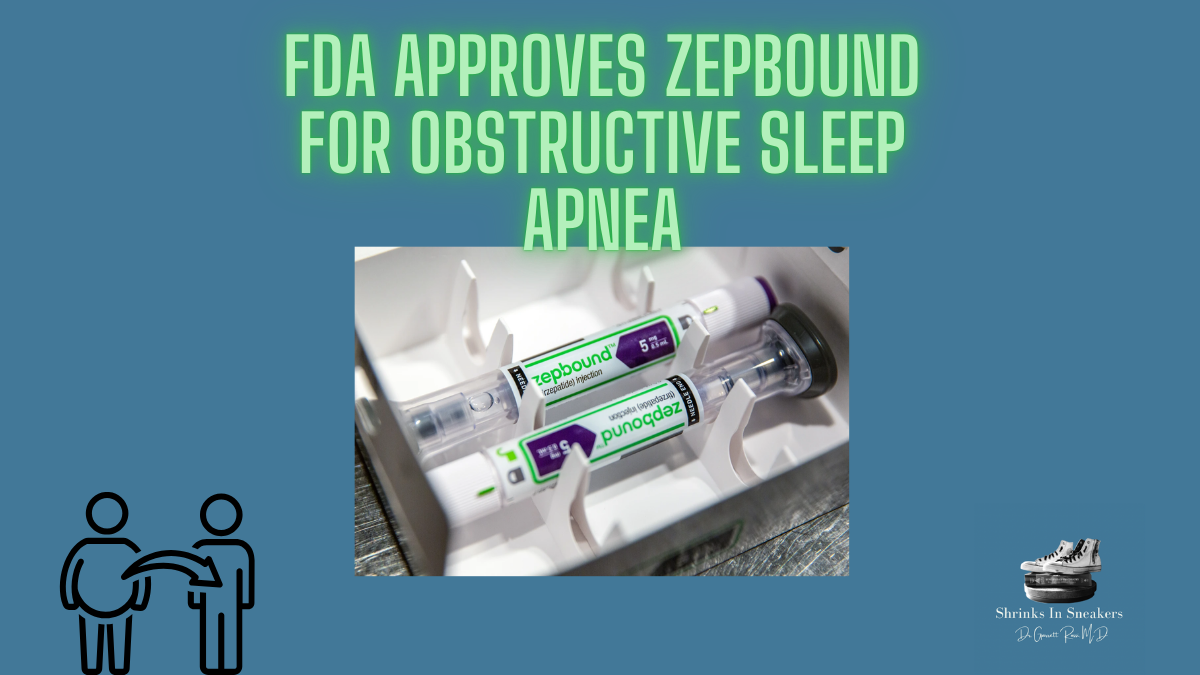
    The U.S. Food and Drug Administration (FDA) has approved Eli Lilly’s Zepbound (tirzepatide) as the first prescription medication for treating moderate to severe obstructive sleep apnea (OSA) in adults with obesity.

    OSA is a sleep disorder characterized by repeated interruptions in breathing during sleep, leading to reduced oxygen levels and disrupted rest. Traditionally, treatments have focused on lifestyle changes and the use of devices like Continuous Positive Airway Pressure (CPAP) machines. Zepbound offers a pharmacological alternative by addressing the condition’s underlying factors, particularly excess weight, which is a significant risk factor for OSA.

    Zepbound is administered via subcutaneous injection and is also approved for weight management in adults with obesity. Its dual benefits in weight reduction and OSA treatment position it as a valuable option for individuals struggling with both conditions.

    The FDA’s approval of Zepbound marks a significant advancement in the treatment of OSA, providing a new therapeutic option for patients and healthcare providers.

  • APA Updates Guidance on Borderline Personality Disorder: What Clinicians Need to Know

    APA Updates Guidance on Borderline Personality Disorder: What Clinicians Need to Know

    Borderline Personality Disorder (BPD) is one of the most misunderstood and challenging conditions in psychiatric practice. It’s a topic I’m particularly passionate about, as patients with BPD are frequently misdiagnosed, and many clinicians hesitate to assign the diagnosis due to stigma or uncertainty. This reluctance often leads to suboptimal care, including the overuse of multiple medication classes without clear benefit. In response to these challenges, the American Psychiatric Association (APA) has recently updated its guidelines on BPD, providing a more comprehensive framework to enhance diagnosis and treatment. This update represents a significant step forward in improving care for a condition that has long been underserved.

    1. Diagnosis and Early Detection

    The updated guidance emphasizes the importance of early identification of BPD symptoms, particularly in adolescence and early adulthood. It encourages clinicians to use structured diagnostic tools alongside clinical interviews to reduce misdiagnosis and stigma.

    2. Therapeutic Approaches

    Evidence-based psychotherapies remain the cornerstone of BPD treatment. Dialectical Behavior Therapy (DBT) continues to hold strong empirical support, but the APA has expanded its recommendations to include:

    • Mentalization-Based Therapy (MBT)
    • Transference-Focused Psychotherapy (TFP)
    • Good Psychiatric Management (GPM)

    The guidance highlights the importance of tailoring therapy to individual patient needs, with a focus on building trust and managing emotional dysregulation.

    3. Medications

    While no medications are FDA-approved specifically for BPD, the APA guidance underscores the role of pharmacotherapy in managing co-occurring conditions such as mood disorders, anxiety, and impulsivity. Clinicians are advised to take a cautious and evidence-based approach to prescribing, avoiding polypharmacy whenever possible.

    4. Stigma Reduction and Patient Advocacy

    The guidance calls for a shift in how clinicians, patients, and society perceive BPD. Educating patients and their families about the condition, normalizing treatment, and advocating for systemic support are crucial components.

    5. Integrative and Community-Based Care

    The APA emphasizes the need for multidisciplinary care teams and integrating care across settings. This includes collaboration with primary care providers, social services, and crisis intervention programs to ensure continuity of care.

    6. Focus on Outcomes and Recovery

    The updated guidance reflects a recovery-oriented approach, focusing on helping patients achieve long-term functional improvement and quality of life. Measuring treatment outcomes and adapting care plans accordingly are encouraged practices.

    Conclusion

    These updates highlight the APA’s commitment to improving outcomes for individuals living with BPD. By promoting evidence-based practices, reducing stigma, and advocating for patient-centered care, clinicians are better equipped to address the challenges associated with this condition.

    What do you think about these changes? How do you see them impacting your practice or care delivery?

  • ADHD in Later Life: A Surge in Diagnoses Among Older Americans

    ADHD in Later Life: A Surge in Diagnoses Among Older Americans

    🤣 What a perfect time for this article considering ADHD is my topic of choice this week.

    🧠 A nuanced debate surrounds the rise in ADHD diagnoses, particularly among adults. While underdiagnosis and increased awareness contribute to this trend, it’s not the sole explanation. ADHD, often linked to developmental delays, may require continued medication into adulthood for some individuals with persistent symptoms

    ➡️ However, the necessity for lifelong medication in all or most cases is questionable

    ➡️ The surge in first-time ADHD diagnoses among adults aged 30’s-40’s, often without prior documented history, raises important questions

    💡 While some cases may have been previously overlooked, it’s crucial to consider:

    ⚡ Co-occurring disorders like depression and anxiety, which can cause similar cognitive issues

    ⚡ Societal factors: Increasing demands for productivity and competitiveness in modern society

    ⚡ The potential misuse of performance-enhancing drugs in high-pressure environments

    💡 It’s essential to approach each case individually, considering both the benefits of treatment and the risks of overdiagnosis. A comprehensive evaluation, including assessment of co-existing conditions and life circumstances, is crucial for accurate diagnosis and appropriate treatment plans

    Link to NYT article: https://www.nytimes.com/2024/12/11/well/mind/adhd-diagnosis-older-middle-age.html

    #ADHD #ADHDawarness #ADHDtreatment #ADHDtips #ADHDlife #mentalhealth #mentalhealthmatters #mentalhealthishealth #psychiatry #psychiatrist #doctor #stimulants #stimulantmedication

  • Improving ADHD Symptoms Without Medication

    Improving ADHD Symptoms Without Medication

    Medication is a cornerstone of ADHD management, but combining it with complementary strategies can significantly enhance focus, organization, and overall functioning. This post offers a high-level overview of these approaches, setting the stage for a series of actionable, in-depth posts later this week.

    1. Establish a Routine

    Creating a structured daily routine provides predictability and reduces distractions. Use planners, calendars, or apps to break your day into manageable chunks with clear priorities.

    2. Practice Mindfulness and Meditation

    Mindfulness can improve attention regulation and emotional control. Apps like Headspace or Calm offer guided practices tailored to ADHD, helping you build focus over time.

    3. Exercise Regularly

    Aerobic exercise boosts dopamine and norepinephrine levels, enhancing focus and motivation. Aim for 30-60 minutes of activity daily, whether it’s running, swimming, or dancing.

    4. Improve Sleep Hygiene

    ADHD often disrupts sleep, which worsens symptoms. Establish a consistent bedtime, avoid screens before bed, and create a calming nighttime routine to promote better rest.

    5. Optimize Nutrition

    Balanced meals with protein, complex carbs, and omega-3 fatty acids can stabilize energy levels and improve concentration. Consider foods like salmon, eggs, nuts, and leafy greens.

    6. Break Tasks into Smaller Steps

    Large tasks can feel overwhelming. Break them down into smaller, manageable steps, and use tools like timers to focus on one step at a time (e.g., the Pomodoro Technique).

    7. Minimize Distractions

    Create an ADHD-friendly environment by limiting noise, clutter, and interruptions. Noise-canceling headphones and tidy workspaces can significantly enhance focus.

    8. Cognitive Behavioral Therapy (CBT)

    CBT can help you develop coping strategies for ADHD-related challenges, such as procrastination, impulsivity, and emotional regulation.

    9. Leverage ADHD-Friendly Technology

    Apps like Todoist, Notion, or Forest can assist with time management, task prioritization, and focus-building. Explore tools that align with your personal workflow.

    10. Foster Strong Social Connections

    Supportive relationships with family, friends, or ADHD communities can provide motivation, accountability, and understanding, reducing feelings of isolation.

    By implementing these strategies, individuals with ADHD can enhance their quality of life, productivity, and emotional well-being. Remember, each person’s ADHD experience is unique, so experiment with different approaches to find what works best for you!

    What has worked for you or someone you know? Share your experiences below!

  • Buprenorphine vs. Methadone: The Battle for Opioid Use Disorder Treatment Supremacy

    Buprenorphine vs. Methadone: The Battle for Opioid Use Disorder Treatment Supremacy

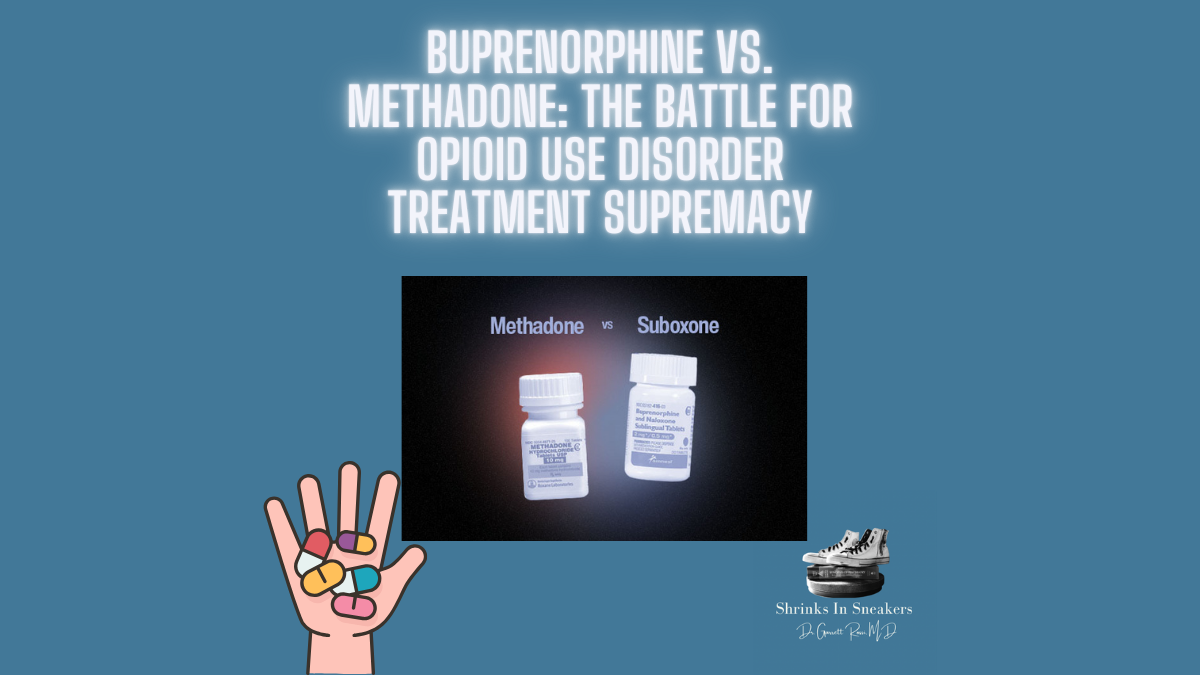
    A recent study in JAMA compared the effectiveness of buprenorphine/naloxone versus methadone for opioid use disorder (OUD), focusing on treatment retention and mortality outcomes. The findings highlight important differences in these two mainstay treatments:

    1. Treatment Retention: Methadone demonstrated significantly higher retention rates compared to buprenorphine/naloxone. Retention is a critical metric, as staying in treatment reduces the risk of relapse and overdose. In flexible-dose studies, buprenorphine/naloxone patients were 37–40% more likely to discontinue treatment than methadone recipients. This aligns with its pharmacological profile, as methadone provides more consistent suppression of withdrawal symptoms.
    2. Mortality Rates: There were no significant differences in mortality risks between the two treatments, indicating both are comparably safe when provided in a supervised setting.
    3. Dosing Implications: Higher doses of buprenorphine (≥16 mg/day) were associated with better retention and reduced emergency care visits, suggesting dose adequacy is vital in achieving optimal outcomes. However, underdosing or rigid dosing protocols may limit buprenorphine’s effectiveness in real-world settings.
    4. Practical Considerations: Methadone requires daily visits to specialized clinics, which can be a barrier to care for some patients. In contrast, buprenorphine/naloxone can often be prescribed in primary care settings, improving accessibility.

    The choice between methadone and buprenorphine/naloxone should be individualized, considering patient preferences, clinical circumstances, and potential barriers to adherence. These findings underscore the need for flexible treatment options tailored to the patient population.

  • Ondansetron as an Augmentative Treatment for OCD: What Does the Evidence Say?

    Ondansetron as an Augmentative Treatment for OCD: What Does the Evidence Say?

    Obsessive-Compulsive Disorder (OCD) is often treated with selective serotonin reuptake inhibitors (SSRIs) and cognitive-behavioral therapy (CBT). Despite these interventions, many patients experience only partial relief. This has led researchers to explore augmentation strategies, including the addition of ondansetron, a serotonin 5-HT3 receptor antagonist.

    Mechanism of Action

    • 5-HT3 antagonism: Ondansetron modulates serotonin in a different way compared to SSRIs. Preclinical studies suggest it may reduce compulsive behaviors by altering serotoninergic and dopaminergic activity in brain regions implicated in OCD, such as the orbitofrontal cortex and basal ganglia.

    Evidence from Clinical Trials

    1. Shavakhi et al. (2014):
      • Design: Double-blind, randomized controlled trial (RCT).
      • Participants: 40 patients with OCD who had a partial response to fluoxetine.
      • Intervention: Fluoxetine (20–40 mg/day) + placebo vs. fluoxetine + ondansetron (4 mg/day).
      • Results: Significant improvement in Yale-Brown Obsessive-Compulsive Scale (Y-BOCS) scores with ondansetron by week 8.
      • Conclusion: Ondansetron was well-tolerated and effective as an adjunctive treatment.
    2. Haghighi et al. (2013):
      • Design: Similar double-blind RCT with 60 patients on fluvoxamine (100–200 mg/day).
      • Results: Patients receiving ondansetron (4 mg/day) showed greater reductions in Y-BOCS scores than those on placebo.
      • Conclusion: Ondansetron enhanced the anti-obsessional effects of SSRIs.
    3. Meta-Analysis (Emerging Data):
      • While limited RCTs exist, early analyses highlight ondansetron’s promise, particularly in SSRI partial responders.

    Practical Considerations

    • Dosage: Typically 4 mg/day in studies.
    • Tolerability: Generally well-tolerated, with mild side effects like headache and dizziness reported in trials.
    • Population: Evidence supports its use in patients with partial response to SSRIs.

    Current Limitations

  • Sample Sizes: Studies to date have small cohorts, limiting generalizability.
  • Duration: Most trials span 8–12 weeks, leaving long-term efficacy unclear.
  • Mechanistic Data: While promising, the precise mechanisms remain speculative.
  • Clinical Takeaway

    Ondansetron appears to be a safe and potentially effective augmentation strategy for patients with OCD who have not achieved full remission on SSRIs alone. While more robust data are needed, its unique mechanism and tolerability make it an intriguing option in treatment-resistant cases.

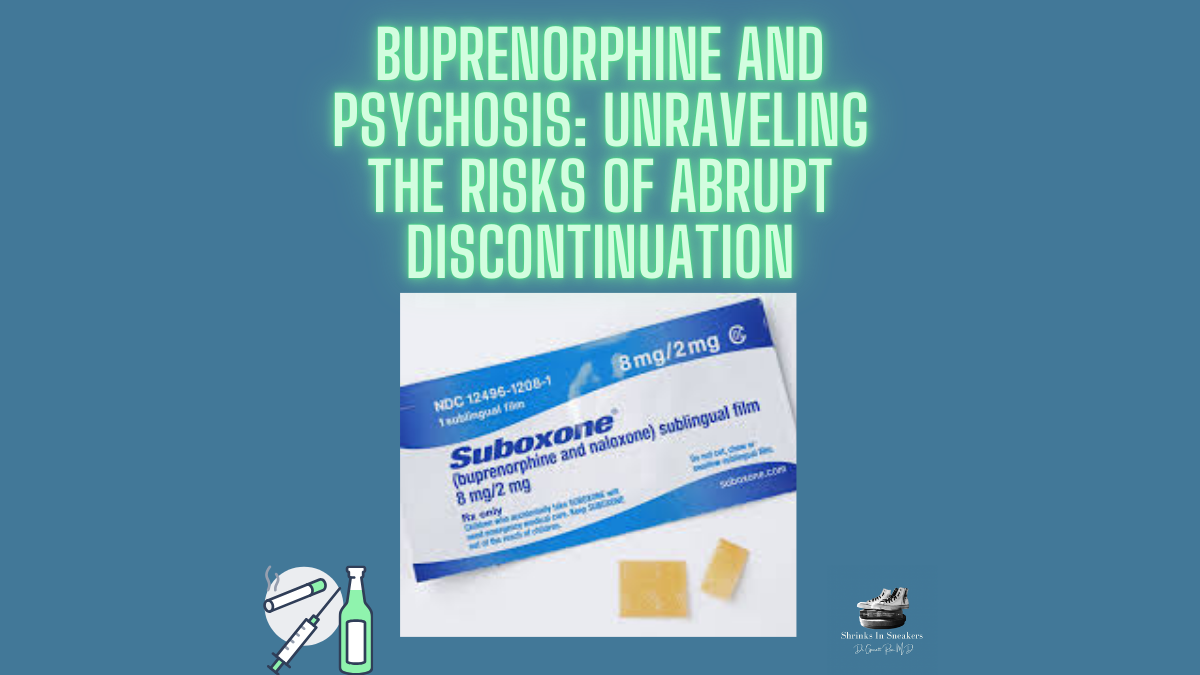
  • Buprenorphine and Psychosis: Unraveling the Risks of Abrupt Discontinuation

    Buprenorphine and Psychosis: Unraveling the Risks of Abrupt Discontinuation

    This post is inspired by a real case from my practice involving a patient with no significant past psychiatric history but a strong history of substance use, including opioids and cocaine. The patient had been on buprenorphine maintenance therapy for several decades, providing stability in their recovery. However, following an abrupt discontinuation of buprenorphine, the patient developed acute psychotic symptoms. This case highlights an uncommon but important phenomenon clinicians should be aware of when managing buprenorphine discontinuation, especially in individuals with a history of substance use.

    Emerging evidence suggests that abrupt discontinuation of buprenorphine may induce psychosis in some individuals, though this appears to be a relatively uncommon occurrence.

    Documented Cases

    • New-onset psychotic symptoms have been reported after sudden cessation of buprenorphine in patients with no prior psychosis.
    • Common symptoms include auditory hallucinationsparanoid ideation, and delusions of reference.
    • Psychotic symptoms typically emerge within days to weeks after discontinuation.

    Potential Mechanisms

    1. Loss of buprenorphine’s antipsychotic effects through kappa-opioid receptor antagonism.
    2. Interaction between neurobiological vulnerabilities and the stress of withdrawal.
    3. Possible unmasking of latent psychotic disorders.

    Risk Factors

    • History of substance use.
    • Early adverse life events.
    • Underlying psychiatric conditions (e.g., bipolar disorder).

    Outcomes and Management

    • Symptoms may resolve in weeks to months, though some cases persist longer.
    • Reintroduction of buprenorphine has led to symptom remission in some cases, suggesting a causal relationship.
    • Gradual tapering of buprenorphine might mitigate this risk, though more research is needed.

    Clinical Implications

    Clinicians should remain vigilant when discontinuing buprenorphine, especially in individuals with risk factors for psychosis. A gradual tapering strategy is recommended to reduce potential risks, though further studies are necessary to guide best practices.

    Understanding this phenomenon highlights the importance of individualized care when managing buprenorphine discontinuation in vulnerable populations.

  • Breaking the Benzodiazepine Cycle: Why Long-Term Use Isn’t the Answer to Anxiety

    Breaking the Benzodiazepine Cycle: Why Long-Term Use Isn’t the Answer to Anxiety

    It never ceases to astonish me when I encounter a young patient who has been prescribed 2 mg of alprazolam daily for years under the guise of treating an “anxiety disorder.” The situation becomes even more concerning when they’re simultaneously taking 30 mg of Adderall. Discussing the risks of long-term benzodiazepine use or proposing an evidence-based tapering plan over 6–12 months often elicits a defensive or negative reaction. However, I make it a point to emphasize that my approach is rooted in evidence and science, which do not support the long-term use of benzodiazepines for anxiety disorders. As clinicians, we have a responsibility to address this widespread prescribing practice, educate patients about the associated risks, and prioritize safer, evidence-based treatments.

    RCT Evidence

    1. Duration of Trials:
      • Most RCTs investigating BZDs in anxiety disorders are short-term, typically lasting 4–12 weeks. Very few extend beyond 6 months, leading to a scarcity of long-term controlled data.
    2. Efficacy:
      • BZDs, such as diazepam, alprazolam, and clonazepam, are effective in the short term for managing anxiety symptoms in generalized anxiety disorder (GAD), panic disorder (PD), and social anxiety disorder (SAD).
      • Studies often show comparable short-term efficacy between BZDs and SSRIs or SNRIs, though BZDs act faster.
    3. Tapering and Relapse:
      • Long-term RCTs involving tapering strategies suggest that discontinuation often leads to relapse of anxiety symptoms, which can complicate the interpretation of their role in maintaining anxiety control versus masking symptoms.
      • Some studies (e.g., long-term diazepam use in GAD) found sustained symptom relief in individuals maintained on the medication compared to those tapered off, but these are limited and subject to biases such as withdrawal effects.
    4. Combination with Other Treatments:
      • Some RCTs have explored BZDs as adjunctive therapy, particularly during the initiation of antidepressants, to mitigate early anxiety exacerbation. Long-term data, however, are sparse, and most combination studies focus on the acute phase.

    Concerns with Long-Term Use:

    1. Tolerance and Dependence:
      • Long-term BZD use is associated with tolerance (requiring higher doses for the same effect) and dependence, with withdrawal symptoms often mimicking anxiety.
      • This complicates distinguishing between anxiety relapse and withdrawal during tapering in long-term trials.
    2. Cognitive Effects:
      • Chronic BZD use is linked to potential cognitive impairment, particularly in attention and memory, which may persist even after discontinuation.
    3. Risk of Misuse:
      • Prolonged use carries a risk of misuse, particularly in populations with comorbid substance use disorders.
    4. Lack of Evidence-Based Guidelines:
      • While short-term efficacy is well-documented, there is insufficient RCT evidence to strongly support long-term BZD use as a monotherapy for anxiety disorders.

    Clinical Implications:

    • Indications for Long-Term Use:
      • Long-term use may be justified in select patients, such as those who fail other treatments, have contraindications to antidepressants, or require intermittent use for episodic anxiety (e.g., situational SAD).
    • Guidelines and Best Practices:
      • Professional guidelines typically recommend using BZDs as a short-term bridge or for situational anxietywhile prioritizing SSRIs, SNRIs, or CBT for long-term management.
      • If BZDs are used long-term, clinicians should aim for the lowest effective dose, regularly reassess the risk-benefit ratio, and educate patients about dependence.
  • Clozapine: Unlocking Relief for Negative Symptoms in Schizophrenia

    Clozapine: Unlocking Relief for Negative Symptoms in Schizophrenia

    Clozapine has been studied extensively in schizophrenia, particularly for treatment-resistant cases. Its role in managing negative symptoms (e.g., apathy, alogia, anhedonia, social withdrawal) has been investigated in various randomized controlled trials (RCTs).

    RCT Evidence for Clozapine in Negative Symptoms

    1. Clozapine vs. Typical Antipsychotics
      • Several studies have shown clozapine’s superiority over first-generation antipsychotics (FGAs) like haloperidol in reducing negative symptoms.
      • Example: A landmark RCT (Kane et al., 1988) demonstrated that clozapine not only reduced positive symptoms but also had beneficial effects on negative symptoms, potentially due to its unique pharmacology (e.g., serotonin-dopamine antagonism, NMDA receptor modulation).
    2. Clozapine vs. Other Atypical Antipsychotics
      • Mixed Results: Some RCTs suggest that clozapine is more effective than other atypical antipsychotics (e.g., risperidone or olanzapine) in improving negative symptoms, while others show no significant difference.
      • A meta-analysis of head-to-head RCTs found that while clozapine had modest effects on negative symptoms, differences between it and other atypicals were small.
    3. Clozapine in Primary Negative Symptoms
      • Challenges: True primary negative symptoms (not secondary to positive symptoms, sedation, or depression) are challenging to isolate in trials.
      • Some RCTs highlight that clozapine’s effects on negative symptoms might be indirect, mediated by improvements in positive symptoms, cognitive function, or overall social functioning.
    4. Adjunctive Therapies
      • RCTs combining clozapine with adjuncts like antidepressants (e.g., fluvoxamine) or cognitive enhancers (e.g., aripiprazole, NMDA modulators) have been conducted. While adjunctive strategies show promise, the evidence remains preliminary and inconsistent.

    Potential Mechanism

    Clozapine’s effects on negative symptoms may be attributed to:

    • Serotonin-Dopamine Antagonism: Improved dopamine transmission in the mesocortical pathway.
    • Glutamatergic Modulation: Effects on NMDA and AMPA receptors.
    • Anti-inflammatory Properties: Reduced neuroinflammation may play a role in symptom improvement.
    • Sedation Reduction: Lower propensity for extrapyramidal side effects compared to FGAs.

    Limitations of Evidence

    • Heterogeneity: Most RCTs mix patients with primary and secondary negative symptoms, confounding results.
    • Measurement Challenges: The assessment of negative symptoms in trials is often subjective and prone to bias.
    • Indirect Effects: Improvements may stem from reductions in positive symptoms or cognitive enhancements rather than direct action on negative symptoms.

    Key Takeaway

    Clozapine shows some benefit for negative symptoms, particularly when compared to FGAs and in cases with secondary negative symptoms. However, its effects on primary negative symptoms are modest, and it is generally not considered the first-line choice for this domain of schizophrenia. Adjunctive approaches or newer agents might offer additional promise.

  • Psychiatry: Ahead of the Curve on Singulair’s Neuropsychiatric Risks

    Psychiatry: Ahead of the Curve on Singulair’s Neuropsychiatric Risks

    Psychiatry is often criticized for being “late to the table” when it comes to recognizing the broader impacts of medical treatments. However, in the case of Singulair (montelukast), psychiatry has been aware of its potential neuropsychiatric effects for quite some time.

    Singulair, widely used for asthma and allergic rhinitis, has long been associated with side effects such as mood changes, anxiety, depression, and even suicidality. This connection has been documented for years, yet the broader medical community and regulatory bodies have taken time to fully address these risks.

    Recently, the FDA issued a new warning aimed at heightening awareness of montelukast’s neuropsychiatric side effects. This update emphasizes the importance of assessing the risk-benefit ratio, particularly for patients with mild conditions where alternative treatments may suffice.

    Psychiatry’s Role

    Psychiatrists have long recognized and documented cases where montelukast seemed to exacerbate or trigger psychiatric symptoms. Many of us have seen patients whose mood instability or new-onset anxiety correlated with starting the medication, leading to its discontinuation and subsequent symptom improvement.

    Why This Matters

    This development underscores the value of psychiatry’s vigilance in identifying patterns that might initially go unnoticed in other fields. It’s also a reminder of the importance of collaboration between specialties to ensure patient safety.

    Key Takeaways:

    • Patients and families: Be aware of the potential neuropsychiatric side effects of montelukast. Monitor mood, sleep, and behavior changes closely, especially in children.
    • Clinicians: Always evaluate the necessity of montelukast in mild cases and consider alternatives when possible. Open conversations with patients about these risks can be life-saving.
    • Psychiatrists: Continue advocating for the recognition of neuropsychiatric risks in non-psychiatric medications. Our input is crucial in ensuring patient safety.

    Psychiatry wasn’t late to this table. In fact, we may have set it.