Tag: psychotropics

  • What HAPPENED to Ulotaront The TAAR-1 Agonist for Schizophrenia?

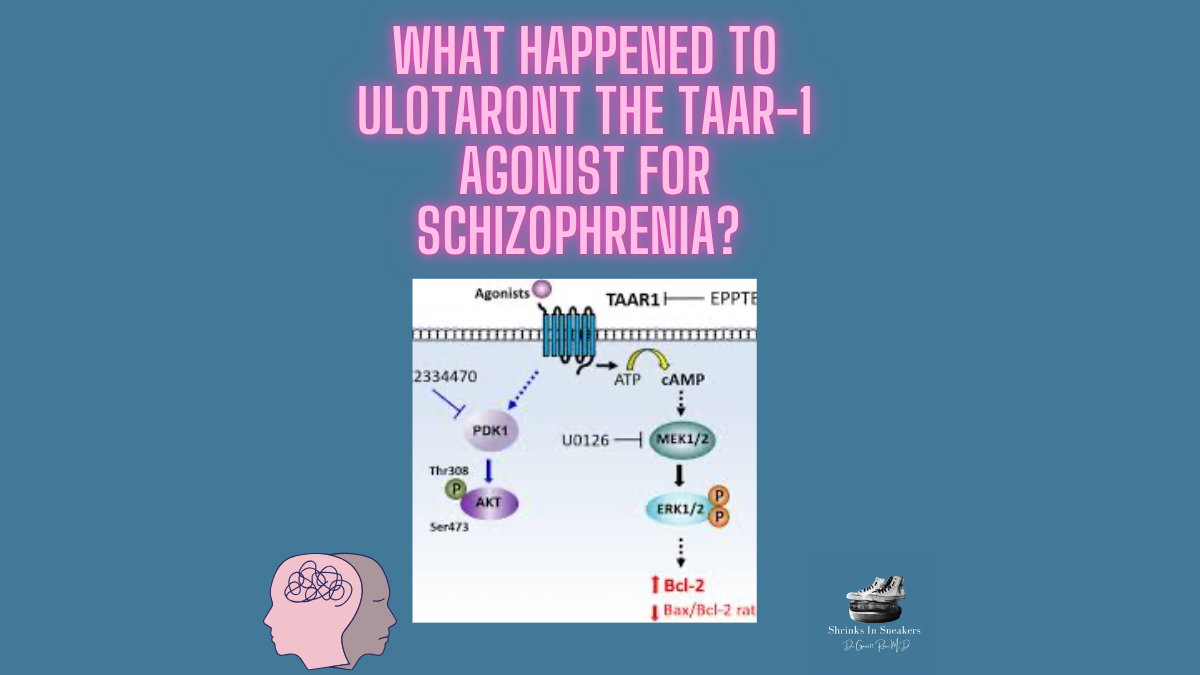
    What HAPPENED to Ulotaront The TAAR-1 Agonist for Schizophrenia?

    Back in 2019, during my residency, TAAR-1 agonists were hailed as the future of schizophrenia treatment, generating a wave of excitement and high expectations. Fast forward to 2025, and the once-prominent buzz has all but vanished. What happened to this promising class of drugs that once seemed poised to revolutionize the field?

    Ulotaront, an investigational antipsychotic developed by Sumitomo Pharma and Otsuka Pharmaceutical, has recently encountered significant challenges in its clinical development. In July 2023, the drug failed to meet primary endpoints in two Phase III clinical trials aimed at treating acutely psychotic adults with schizophrenia. These studies did not demonstrate a statistically significant improvement over placebo, raising concerns about ulotaront’s efficacy in this patient population.

    Given these setbacks, the timeline for ulotaront’s potential approval by the U.S. Food and Drug Administration (FDA) is now uncertain.Consequently, any previous projections for FDA approval will likely be delayed as the developers reassess their clinical strategy.

    It’s important to note that ulotaront had previously received Breakthrough Therapy Designation from the FDA in 2019 for the treatment of schizophrenia, reflecting initial optimism about its therapeutic potential.

  • When Expectations Matter: Antidepressant Efficacy vs. Psilocybin’s Unique Impact

    When Expectations Matter: Antidepressant Efficacy vs. Psilocybin’s Unique Impact

    It’s always valuable to challenge our own assumptions, especially in areas as complex as mental health treatment. A secondary analysis of a randomized controlled trial, recently published in JAMA Psychiatry, explored the role of treatment expectancies in the efficacy of psilocybin versus escitalopram for depression.

    I’ve often argued that blinding these studies is challenging, and participants are likely to have higher expectations for psychedelics like psilocybin. However, this analysis provides a nuanced perspective.

    While participants did report higher expectations for psilocybin’s effectiveness compared to escitalopram, expectancy only seemed to impact outcomes in the escitalopram group. A stronger belief in escitalopram’s efficacy correlated with better results for those receiving it. In contrast, expectancy didn’t significantly influence psilocybin’s effectiveness.

    Another intriguing finding: individuals with higher pre-treatment suggestibility showed more significant therapeutic responses to psilocybin—a pattern not observed in the escitalopram group.

    Although this is a secondary analysis and not the final word on the topic, it raises fascinating questions. Could psilocybin’s therapeutic mechanisms be less reliant on patient expectations than traditional antidepressants?

    For now, this remains an open question, but I’ll be closely following future research as it unfolds.

    Link to article: https://pubmed.ncbi.nlm.nih.gov/39653344/

  • Gepirone: A New Player in the Antidepressant Arena—Should We Care?

    Gepirone: A New Player in the Antidepressant Arena—Should We Care?

    Gepirone may have flown under the radar for many of us. I’ll admit, it didn’t generate much excitement on my end. However, it recently crossed a significant milestone: FDA approval as an antidepressant. But let’s not overlook its rocky path to getting there—a journey marked by hurdles and setbacks.

    The road to FDA approval for gepirone was anything but smooth. Its initial development began decades ago, but the approval process faced repeated delays and rejections. Questions about efficacy and study designs kept it in limbo for years. What ultimately got it across the finish line was a re-analysis of data demonstrating robust effects in specific populations, particularly those with significant depressive symptoms. This serves as a reminder that persistence and rigorous data reassessment can change the trajectory for medications once thought to have limited potential.

    Now that gepirone is finally available, the big question is: should we care? If so, where does it fit into our treatment algorithms for adult depression?

    With a mechanism targeting the serotonin 1A receptor as a partial agonist, gepirone offers a unique profile compared to SSRIs, SNRIs, and other standard antidepressants. Its anxiolytic effects may make it particularly appealing for patients with co-occurring anxiety. However, like any medication, it isn’t without its downsides.

    Potential side effects include nausea, dizziness, fatigue, and headache. These are generally mild, but it’s important to monitor for tolerability in sensitive patients. Gepirone also carries warnings about potential interactions with other serotonergic agents, raising the risk of serotonin syndrome. While this risk isn’t unique to gepirone, it’s a critical point to keep in mind when integrating it into a treatment plan.

    So, where does gepirone fit? Will it serve as a first-line option for certain patients, or will it find a niche role for those with specific tolerability issues or suboptimal responses to other antidepressants?

    I’d love to hear your thoughts. Is gepirone a tool worth adding to our arsenal, or just another option that might not shift the needle much in clinical practice?

  • Metformin for Antipsychotic-Induced Weight Gain: What Took So Long?

    Metformin for Antipsychotic-Induced Weight Gain: What Took So Long?

    Antipsychotic-induced weight gain remains a significant challenge in psychiatric practice, contributing to metabolic syndrome, decreased quality of life, and reduced medication adherence. This issue is especially concerning given the chronic nature of psychiatric illnesses requiring antipsychotic treatment. Among strategies to address this, metformin—an insulin sensitizer primarily used for type 2 diabetes—has garnered considerable interest. Below, we summarize the evidence from randomized controlled trials (RCTs) evaluating metformin’s efficacy and safety in mitigating weight gain associated with antipsychotic medications.

    Evidence from Randomized Controlled Trials

    1. Meta-Analyses and Systematic Reviews
      • Multiple meta-analyses of RCTs have shown that metformin effectively reduces weight gain in individuals receiving antipsychotics. Weight reductions of 2-3 kg over 12-16 weeks have been reported compared to placebo.
      • Beyond weight loss, improvements in metabolic parameters such as fasting glucose, insulin resistance, and lipid profiles have been observed.
    2. Population-Specific Findings
      • First-Episode Psychosis (FEP): Studies indicate that metformin is particularly effective in individuals with FEP who experience rapid weight gain shortly after initiating antipsychotic therapy. Early intervention appears to yield more substantial benefits.
      • Chronic Schizophrenia: RCTs in populations with chronic schizophrenia have demonstrated similar weight-reducing effects, though results may be less pronounced compared to FEP patients.
    3. Adjunctive Lifestyle Interventions
      • Combining metformin with lifestyle interventions, such as diet and exercise counseling, results in synergistic benefits. RCTs demonstrate that this combination is more effective than metformin or lifestyle changes alone.

    Safety and Tolerability

    Metformin is generally well-tolerated. The most common side effects are gastrointestinal (e.g., nausea, diarrhea), which tend to subside with continued use. Rarely, lactic acidosis—a serious adverse event—can occur, particularly in individuals with renal impairment. It is crucial to monitor kidney function periodically.

    Practical Considerations

    1. Dosing: Initiate metformin at a low dose (e.g., 500 mg once daily) to minimize gastrointestinal side effects, and titrate gradually to a typical maintenance dose of 1,000-2,000 mg per day.
    2. Monitoring: Regularly assess weight, BMI, fasting glucose, and lipid profiles. Monitor renal function before and during treatment.
    3. Patient Selection: Metformin may be particularly beneficial for patients who:
      • Have significant weight gain or metabolic disturbances from antipsychotic use.
      • Are early in their antipsychotic treatment course.
      • Have no contraindications, such as severe renal impairment.

    Conclusion

    Metformin offers a promising strategy for mitigating antipsychotic-induced weight gain, supported by robust evidence from RCTs. While not a standalone solution, it can play a critical role in a comprehensive approach to managing the metabolic side effects of antipsychotics. Clinicians should consider metformin’s inclusion in treatment plans for patients struggling with weight gain or metabolic dysfunction related to antipsychotic treatment.

  • Crush Long Hours: The Ultimate Hack for Demanding Jobs!

    Crush Long Hours: The Ultimate Hack for Demanding Jobs!

    It seems like ADHD medication is following me this week—or maybe it’s the law of attraction at work as I keep coming across articles aligned with the key points I’ve been reflecting on recently.

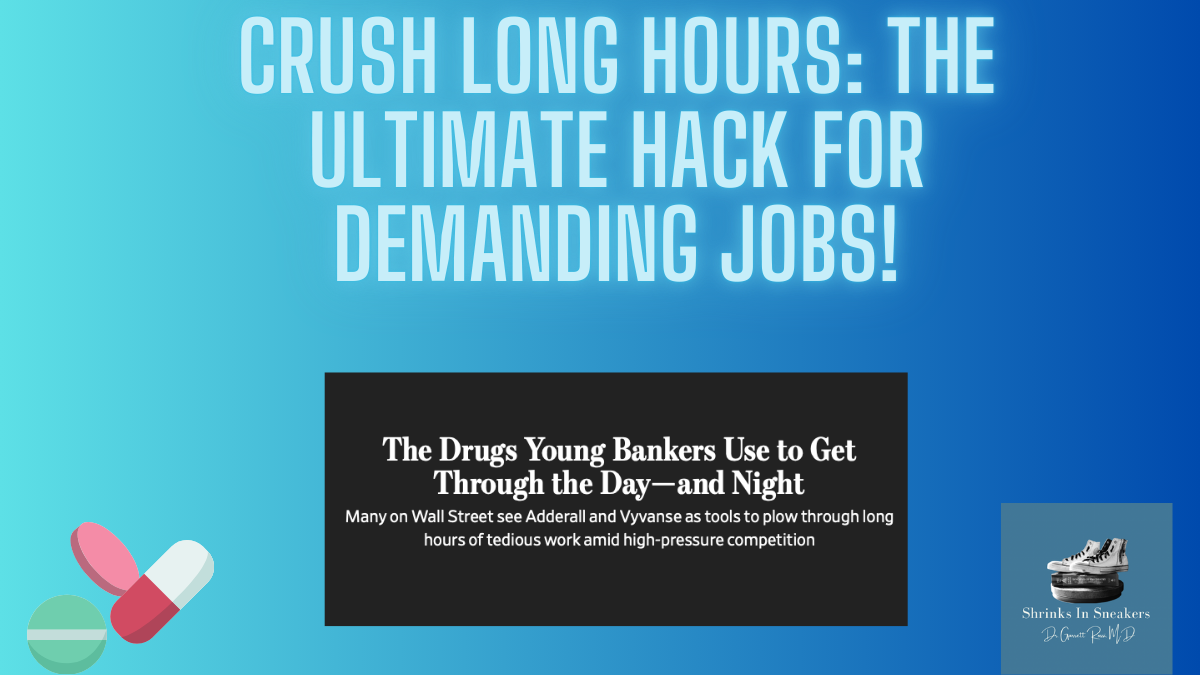
    A recent Wall Street Journal article highlights the growing use of prescription stimulants like Adderall and Vyvanse among young investment bankers, helping them manage the grueling demands of 90-hour workweeks. While the prevalence of substances to enhance performance isn’t new (cocaine was once the drug of choice), it’s become much easier to obtain legal alternatives. A quick five-minute online questionnaire can now yield a prescription, no shady drug dealers required.

    The article centers on a young professional who, despite his own skepticism about having ADHD, found the medication transformative for surviving the intense pace of his job. Predictably, dependency followed.

    This isn’t an isolated issue, nor is it exclusive to investment banking. We’ve seen a marked increase in adult ADHD diagnoses, likely tied to the expansion of telehealth and more relaxed prescribing practices.

    While the article rightly calls for reevaluating workplace expectations and support systems, let’s be honest—this phenomenon isn’t going anywhere soon. The stakes are too high: major profits for companies and career-defining opportunities for individuals.

    We need to acknowledge this for what it really is: the use of performance-enhancing drugs (PEDs) to gain an edge in professional life. In many ways, it’s no different from using steroids in sports. Maybe the real question isn’t how to stop it, but whether we should allow informed adults to use PEDs under careful medical supervision.

    I’ll let you all weigh in on that one.

    Cheers,
    Dr. G

    LInk: https://www.wsj.com/finance/banking/young-banker-finance-adhd-medication-adderall-d578a16f

  • APA Updates Guidance on Borderline Personality Disorder: What Clinicians Need to Know

    APA Updates Guidance on Borderline Personality Disorder: What Clinicians Need to Know

    Borderline Personality Disorder (BPD) is one of the most misunderstood and challenging conditions in psychiatric practice. It’s a topic I’m particularly passionate about, as patients with BPD are frequently misdiagnosed, and many clinicians hesitate to assign the diagnosis due to stigma or uncertainty. This reluctance often leads to suboptimal care, including the overuse of multiple medication classes without clear benefit. In response to these challenges, the American Psychiatric Association (APA) has recently updated its guidelines on BPD, providing a more comprehensive framework to enhance diagnosis and treatment. This update represents a significant step forward in improving care for a condition that has long been underserved.

    1. Diagnosis and Early Detection

    The updated guidance emphasizes the importance of early identification of BPD symptoms, particularly in adolescence and early adulthood. It encourages clinicians to use structured diagnostic tools alongside clinical interviews to reduce misdiagnosis and stigma.

    2. Therapeutic Approaches

    Evidence-based psychotherapies remain the cornerstone of BPD treatment. Dialectical Behavior Therapy (DBT) continues to hold strong empirical support, but the APA has expanded its recommendations to include:

    • Mentalization-Based Therapy (MBT)
    • Transference-Focused Psychotherapy (TFP)
    • Good Psychiatric Management (GPM)

    The guidance highlights the importance of tailoring therapy to individual patient needs, with a focus on building trust and managing emotional dysregulation.

    3. Medications

    While no medications are FDA-approved specifically for BPD, the APA guidance underscores the role of pharmacotherapy in managing co-occurring conditions such as mood disorders, anxiety, and impulsivity. Clinicians are advised to take a cautious and evidence-based approach to prescribing, avoiding polypharmacy whenever possible.

    4. Stigma Reduction and Patient Advocacy

    The guidance calls for a shift in how clinicians, patients, and society perceive BPD. Educating patients and their families about the condition, normalizing treatment, and advocating for systemic support are crucial components.

    5. Integrative and Community-Based Care

    The APA emphasizes the need for multidisciplinary care teams and integrating care across settings. This includes collaboration with primary care providers, social services, and crisis intervention programs to ensure continuity of care.

    6. Focus on Outcomes and Recovery

    The updated guidance reflects a recovery-oriented approach, focusing on helping patients achieve long-term functional improvement and quality of life. Measuring treatment outcomes and adapting care plans accordingly are encouraged practices.

    Conclusion

    These updates highlight the APA’s commitment to improving outcomes for individuals living with BPD. By promoting evidence-based practices, reducing stigma, and advocating for patient-centered care, clinicians are better equipped to address the challenges associated with this condition.

    What do you think about these changes? How do you see them impacting your practice or care delivery?

  • ADHD in Later Life: A Surge in Diagnoses Among Older Americans

    ADHD in Later Life: A Surge in Diagnoses Among Older Americans

    🤣 What a perfect time for this article considering ADHD is my topic of choice this week.

    🧠 A nuanced debate surrounds the rise in ADHD diagnoses, particularly among adults. While underdiagnosis and increased awareness contribute to this trend, it’s not the sole explanation. ADHD, often linked to developmental delays, may require continued medication into adulthood for some individuals with persistent symptoms

    ➡️ However, the necessity for lifelong medication in all or most cases is questionable

    ➡️ The surge in first-time ADHD diagnoses among adults aged 30’s-40’s, often without prior documented history, raises important questions

    💡 While some cases may have been previously overlooked, it’s crucial to consider:

    ⚡ Co-occurring disorders like depression and anxiety, which can cause similar cognitive issues

    ⚡ Societal factors: Increasing demands for productivity and competitiveness in modern society

    ⚡ The potential misuse of performance-enhancing drugs in high-pressure environments

    💡 It’s essential to approach each case individually, considering both the benefits of treatment and the risks of overdiagnosis. A comprehensive evaluation, including assessment of co-existing conditions and life circumstances, is crucial for accurate diagnosis and appropriate treatment plans

    Link to NYT article: https://www.nytimes.com/2024/12/11/well/mind/adhd-diagnosis-older-middle-age.html

    #ADHD #ADHDawarness #ADHDtreatment #ADHDtips #ADHDlife #mentalhealth #mentalhealthmatters #mentalhealthishealth #psychiatry #psychiatrist #doctor #stimulants #stimulantmedication

  • Improving ADHD Symptoms Without Medication

    Improving ADHD Symptoms Without Medication

    Medication is a cornerstone of ADHD management, but combining it with complementary strategies can significantly enhance focus, organization, and overall functioning. This post offers a high-level overview of these approaches, setting the stage for a series of actionable, in-depth posts later this week.

    1. Establish a Routine

    Creating a structured daily routine provides predictability and reduces distractions. Use planners, calendars, or apps to break your day into manageable chunks with clear priorities.

    2. Practice Mindfulness and Meditation

    Mindfulness can improve attention regulation and emotional control. Apps like Headspace or Calm offer guided practices tailored to ADHD, helping you build focus over time.

    3. Exercise Regularly

    Aerobic exercise boosts dopamine and norepinephrine levels, enhancing focus and motivation. Aim for 30-60 minutes of activity daily, whether it’s running, swimming, or dancing.

    4. Improve Sleep Hygiene

    ADHD often disrupts sleep, which worsens symptoms. Establish a consistent bedtime, avoid screens before bed, and create a calming nighttime routine to promote better rest.

    5. Optimize Nutrition

    Balanced meals with protein, complex carbs, and omega-3 fatty acids can stabilize energy levels and improve concentration. Consider foods like salmon, eggs, nuts, and leafy greens.

    6. Break Tasks into Smaller Steps

    Large tasks can feel overwhelming. Break them down into smaller, manageable steps, and use tools like timers to focus on one step at a time (e.g., the Pomodoro Technique).

    7. Minimize Distractions

    Create an ADHD-friendly environment by limiting noise, clutter, and interruptions. Noise-canceling headphones and tidy workspaces can significantly enhance focus.

    8. Cognitive Behavioral Therapy (CBT)

    CBT can help you develop coping strategies for ADHD-related challenges, such as procrastination, impulsivity, and emotional regulation.

    9. Leverage ADHD-Friendly Technology

    Apps like Todoist, Notion, or Forest can assist with time management, task prioritization, and focus-building. Explore tools that align with your personal workflow.

    10. Foster Strong Social Connections

    Supportive relationships with family, friends, or ADHD communities can provide motivation, accountability, and understanding, reducing feelings of isolation.

    By implementing these strategies, individuals with ADHD can enhance their quality of life, productivity, and emotional well-being. Remember, each person’s ADHD experience is unique, so experiment with different approaches to find what works best for you!

    What has worked for you or someone you know? Share your experiences below!

  • Psychiatry: Ahead of the Curve on Singulair’s Neuropsychiatric Risks

    Psychiatry: Ahead of the Curve on Singulair’s Neuropsychiatric Risks

    Psychiatry is often criticized for being “late to the table” when it comes to recognizing the broader impacts of medical treatments. However, in the case of Singulair (montelukast), psychiatry has been aware of its potential neuropsychiatric effects for quite some time.

    Singulair, widely used for asthma and allergic rhinitis, has long been associated with side effects such as mood changes, anxiety, depression, and even suicidality. This connection has been documented for years, yet the broader medical community and regulatory bodies have taken time to fully address these risks.

    Recently, the FDA issued a new warning aimed at heightening awareness of montelukast’s neuropsychiatric side effects. This update emphasizes the importance of assessing the risk-benefit ratio, particularly for patients with mild conditions where alternative treatments may suffice.

    Psychiatry’s Role

    Psychiatrists have long recognized and documented cases where montelukast seemed to exacerbate or trigger psychiatric symptoms. Many of us have seen patients whose mood instability or new-onset anxiety correlated with starting the medication, leading to its discontinuation and subsequent symptom improvement.

    Why This Matters

    This development underscores the value of psychiatry’s vigilance in identifying patterns that might initially go unnoticed in other fields. It’s also a reminder of the importance of collaboration between specialties to ensure patient safety.

    Key Takeaways:

    • Patients and families: Be aware of the potential neuropsychiatric side effects of montelukast. Monitor mood, sleep, and behavior changes closely, especially in children.
    • Clinicians: Always evaluate the necessity of montelukast in mild cases and consider alternatives when possible. Open conversations with patients about these risks can be life-saving.
    • Psychiatrists: Continue advocating for the recognition of neuropsychiatric risks in non-psychiatric medications. Our input is crucial in ensuring patient safety.

    Psychiatry wasn’t late to this table. In fact, we may have set it.

  • Antidepressants and School Shootings: Debunking Ungrounded Claims in a Complex Crisis

    Antidepressants and School Shootings: Debunking Ungrounded Claims in a Complex Crisis

    In times of societal turmoil, it’s natural for people to search for reasons behind tragedies. However, as scientists and clinicians, it’s our duty to address myths with evidence and guide public discourse toward meaningful solutions. Linking antidepressants to school shootings oversimplifies a multifaceted problem, diverts attention from real issues, and perpetuates harmful misconceptions.

    Understanding the Evidence

    1. FDA Warnings and Black Box Labeling

    • In 2004, the FDA introduced black-box warnings on antidepressants, citing an increased risk of suicidal thoughts and behaviors in individuals under 25 during the early stages of treatment.
    • While well-intentioned, this warning has inadvertently reduced antidepressant use in some cases, leading to untreated depression and potentially worse outcomes.

    2. Aggression and Behavioral Changes

    • Rare case reports describe paradoxical effects like increased irritability or aggression, but these reports are anecdotal and often involve patients who may have undiagnosed conditions, such as bipolar disorder.
    • Case reports represent the lowest level of scientific evidence. They highlight rare phenomena but cannot establish causation.

    3. Lack of Causal Evidence

    • Comprehensive studies and meta-analyses have consistently failed to find a causal link between antidepressants and violent behavior.
    • On a broader scale, antidepressant use is associated with reduced rates of violent crime and suicide, underscoring their therapeutic benefits in managing mental health conditions.

    4. School Shootings: A Multifactorial Crisis

    • These tragic events are exceedingly rare and result from a confluence of factors, including access to firearms, social isolation, trauma, and untreated psychiatric illnesses.
    • Simplistic narratives blaming antidepressants ignore the broader societal and systemic issues at play.

    5. Public Concern and Media Narratives

    • High-profile cases have sometimes involved individuals prescribed antidepressants. However, media narratives often amplify anecdotal links without rigorous scientific backing, fueling public fears unnecessarily.

    Current Recommendations

    • Clinicians continue to weigh the risks and benefits of antidepressants, particularly in younger populations, while emphasizing close monitoring during treatment initiation.
    • Effective treatment typically combines medication with psychotherapy, a holistic approach proven to reduce risks and improve outcomes.

    Call to Action

    Rather than succumbing to fear-driven narratives, we must focus on evidence-based solutions for mental health care, responsible gun ownership, and addressing social determinants of violence. Antidepressants save lives when used appropriately and should not be scapegoated for society’s broader challenges.

    By addressing myths with facts, we can foster more informed and productive discussions on preventing violence and supporting mental health.