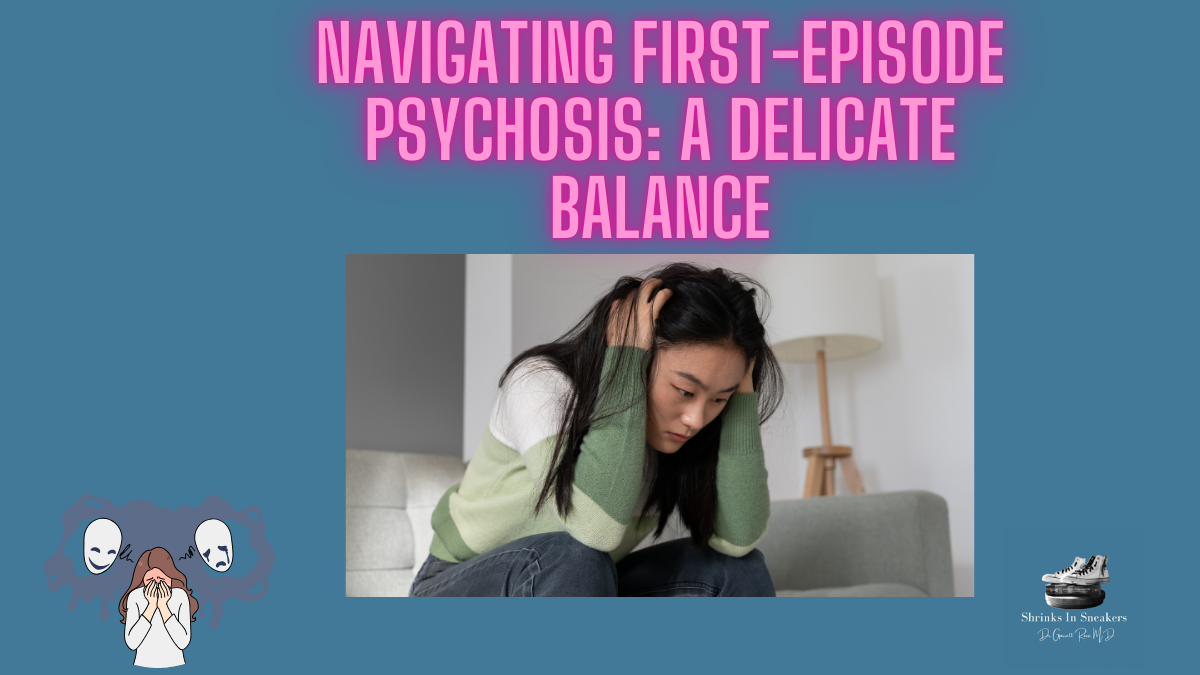
In my practice, I encounter many cases of first-episode psychosis, a critical period that requires thoughtful and precise intervention. The decisions made during this time can set a patient on the path to long-term recovery or, unfortunately, towards a lifetime of challenges.
There are a few guiding principles I always adhere to:
- Most antipsychotics can be effective, but it’s important to choose carefully.
- Lower doses often suffice to achieve remission in first-episode psychosis. Starting with a medication that has a lower risk of cardiometabolic side effects and weight gain is crucial, especially for young patients. They shouldn’t be burdened with long-term physical side effects as they navigate their recovery.
Predicting whether a patient will experience a single episode or develop a chronic condition like schizophrenia is challenging. While family history and substance use, particularly cannabis, can provide clues, there is still uncertainty.
I believe that after 6-12 months of treatment, it’s worth considering tapering the antipsychotic to the lowest effective dose, with a careful eye on any signs of relapse. Unfortunately, what I often see is that both patients and clinicians overlook the subtle signs of relapse because they’ve mutually decided to discontinue the medication. By the time I see them again, the situation has worsened.
Early psychosis treatment requires a delicate balance between managing symptoms and minimizing long-term side effects, all while keeping a close watch for signs of relapse. Careful planning is key to setting patients on the best path forward.
Leave a Reply