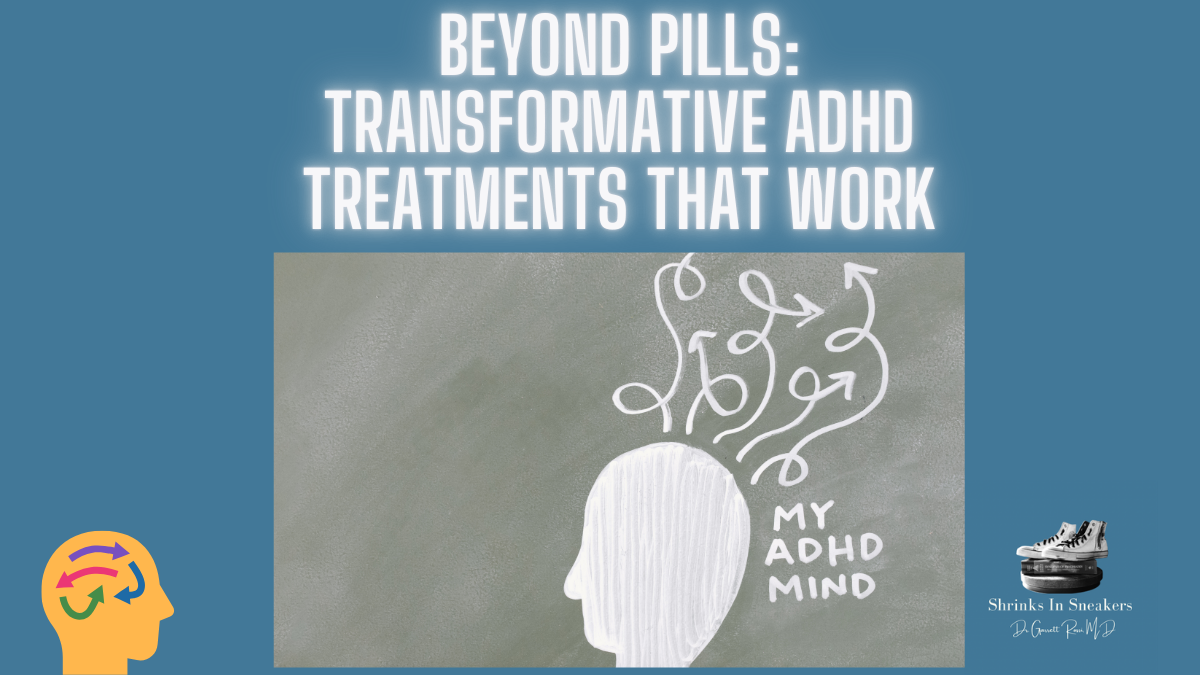
Medication is a cornerstone of ADHD management, but combining it with complementary strategies can significantly enhance focus, organization, and overall functioning. This post offers a high-level overview of these approaches, setting the stage for a series of actionable, in-depth posts later this week.
1. Establish a Routine
Creating a structured daily routine provides predictability and reduces distractions. Use planners, calendars, or apps to break your day into manageable chunks with clear priorities.
2. Practice Mindfulness and Meditation
Mindfulness can improve attention regulation and emotional control. Apps like Headspace or Calm offer guided practices tailored to ADHD, helping you build focus over time.
3. Exercise Regularly
Aerobic exercise boosts dopamine and norepinephrine levels, enhancing focus and motivation. Aim for 30-60 minutes of activity daily, whether it’s running, swimming, or dancing.
4. Improve Sleep Hygiene
ADHD often disrupts sleep, which worsens symptoms. Establish a consistent bedtime, avoid screens before bed, and create a calming nighttime routine to promote better rest.
5. Optimize Nutrition
Balanced meals with protein, complex carbs, and omega-3 fatty acids can stabilize energy levels and improve concentration. Consider foods like salmon, eggs, nuts, and leafy greens.
6. Break Tasks into Smaller Steps
Large tasks can feel overwhelming. Break them down into smaller, manageable steps, and use tools like timers to focus on one step at a time (e.g., the Pomodoro Technique).
7. Minimize Distractions
Create an ADHD-friendly environment by limiting noise, clutter, and interruptions. Noise-canceling headphones and tidy workspaces can significantly enhance focus.
8. Cognitive Behavioral Therapy (CBT)
CBT can help you develop coping strategies for ADHD-related challenges, such as procrastination, impulsivity, and emotional regulation.
9. Leverage ADHD-Friendly Technology
Apps like Todoist, Notion, or Forest can assist with time management, task prioritization, and focus-building. Explore tools that align with your personal workflow.
10. Foster Strong Social Connections
Supportive relationships with family, friends, or ADHD communities can provide motivation, accountability, and understanding, reducing feelings of isolation.
By implementing these strategies, individuals with ADHD can enhance their quality of life, productivity, and emotional well-being. Remember, each person’s ADHD experience is unique, so experiment with different approaches to find what works best for you!
What has worked for you or someone you know? Share your experiences below!
Leave a Reply